2026 Haori Guide: Mixing Traditional Japanese Jackets With Streetwear
The Intersection of Heritage and Hype: The Haori in 2026
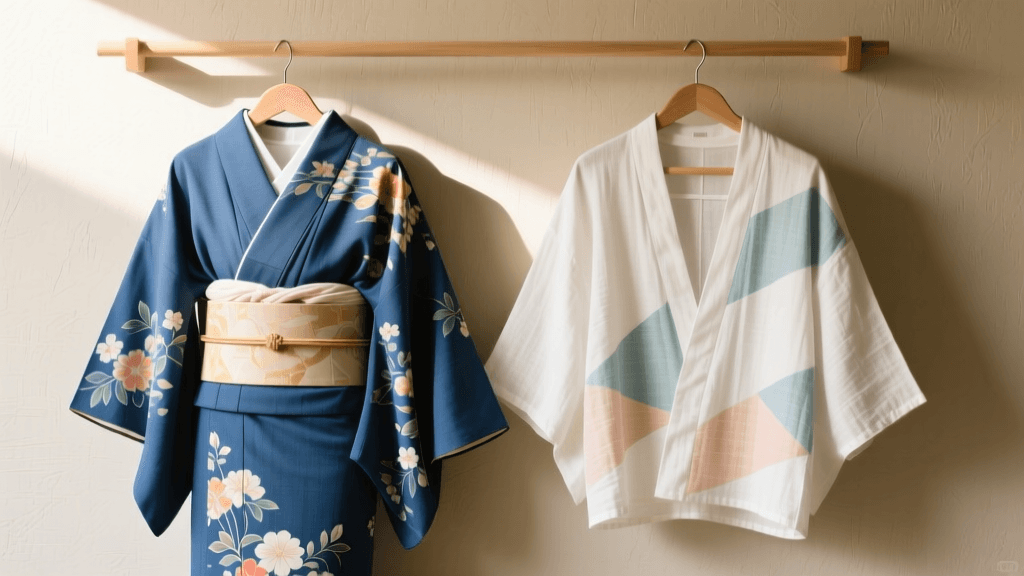
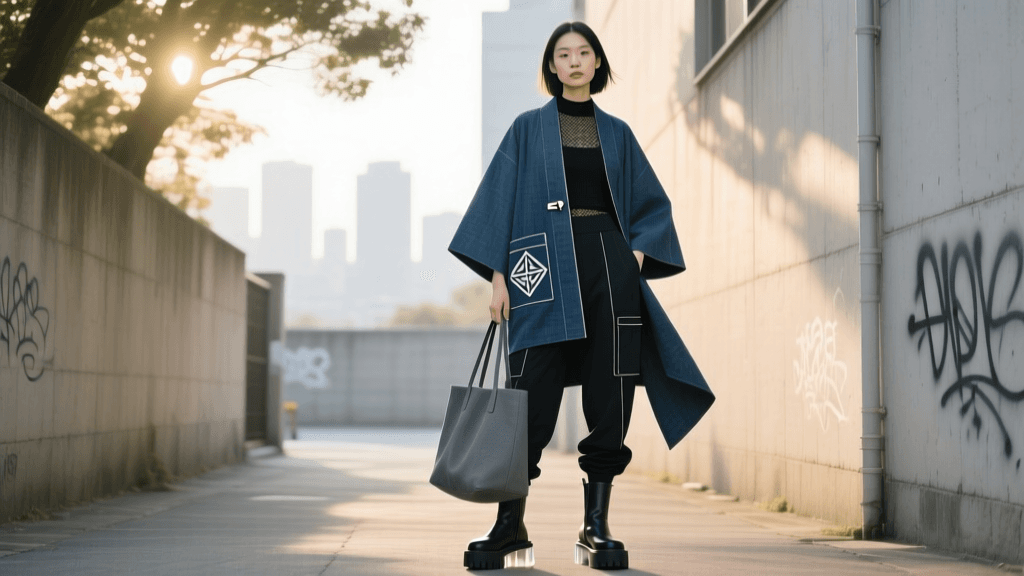
The global fashion landscape in 2026 is defined by a deep appreciation for modular layering, sustainable upcycling, and cross-cultural sartorial dialogues. At the forefront of this movement is the traditional Japanese haori. Once reserved primarily for formal ceremonies or worn as a protective layer over the kimono, the haori has been fully embraced by the contemporary streetwear community. Its open-front construction, striking geometric patterns, and rich textile history make it the ultimate statement piece for modern wardrobes. Mixing traditional Asian garments with modern streetwear requires a nuanced understanding of proportion, fabric contrast, and cultural respect. This comprehensive guide explores how to seamlessly integrate the haori into your everyday rotation this year.
Understanding the Haori Silhouette and History
Before attempting to mix heritage pieces with modern streetwear, it is crucial to understand the garment's origins. According to the Metropolitan Museum of Art's Heilbrunn Timeline of Art History, the haori evolved during the Edo period as a practical outer layer worn by both men and women to protect their silk kimono from the elements. Unlike Western jackets, the haori lacks a collar lapel and features a straight, T-shaped cut with wide, open sleeves. This architectural simplicity is exactly what appeals to modern streetwear designers and stylists. The Victoria and Albert Museum notes that the structural geometry of traditional Japanese garments has historically influenced Western avant-garde designers, and in 2026, this influence is visible in the drop-shoulder, oversized outerwear dominating global street style.
Mastering Proportion and Layering
The golden rule of styling a haori in a modern context is mastering proportion. Because the traditional haori features a boxy, straight cut and wide sleeves, pairing it with overly tailored or restrictive modern clothing can create a jarring visual disconnect. In 2026, streetwear silhouettes heavily favor relaxed, draped, and fluid proportions, which naturally complement the haori.
The Base Layer
For a contemporary look, avoid wearing the haori directly over formal button-down shirts unless you are intentionally aiming for a high-fashion, avant-garde aesthetic. Instead, opt for heavyweight cotton t-shirts, textured waffle-knit long sleeves, or relaxed-fit hoodies. A heavyweight, 300 GSM cotton hoodie in a muted earth tone provides a modern, utilitarian base that contrasts beautifully with the delicate nature of vintage silk.
Bottoms and Trousers
Skinny jeans and tapered joggers are largely obsolete in 2026 streetwear. To balance the volume of the haori, pair it with wide-leg denim, pleated workwear trousers, or technical cargo pants. The wide-leg silhouette echoes the flowing nature of traditional Japanese hakama or kimono, creating a cohesive, harmonious outfit from top to bottom.
The 2026 Fabric and Texture Matrix
Texture contrast is the secret weapon of advanced streetwear styling. Mixing the luxurious sheen of traditional silk with the matte, rugged finishes of modern streetwear fabrics creates a visually captivating outfit. Below is a styling matrix detailing how to pair different haori fabrics with contemporary wardrobe staples.
| Haori Fabric Type | Visual Characteristic | Ideal Streetwear Base Layer | Ideal Bottom Pairing | Best Use Case |
|---|---|---|---|---|
| Vintage Silk (Meisen) | Bold patterns, slight sheen, delicate | Heavyweight matte cotton tee | Raw, wide-leg selvedge denim | Evening events, gallery openings |
| Tsumugi (Pongee Silk) | Nubby texture, matte finish, rustic | Merino wool turtleneck | Pleated wool workwear trousers | Smart-casual office, creative spaces |
| Linen-Cotton Blend | Breathable, matte, structured | Oversized graphic hoodie | Technical nylon cargo pants | Weekend streetwear, outdoor festivals |
| Modern Tech-Nylon | Water-resistant, sleek, utilitarian | Mesh layering top or fleece | Parachute pants or track bottoms | Urban commuting, tech-wear styling |
Color Theory and Pattern Clashing
Traditional haori often feature intricate linings and bold exterior motifs, ranging from family crests (mon) to nature-inspired geometric patterns. When integrating these into a 2026 wardrobe, you have two primary styling routes: the anchor method and the pattern-clash method.
The anchor method involves treating the haori as the focal point of the outfit. If your haori features a vibrant crimson and gold pattern, the rest of your wardrobe should consist of neutral, grounding tones like charcoal, olive, navy, or black. This allows the traditional craftsmanship to shine without overwhelming the viewer.
Conversely, the pattern-clash method is favored by avant-garde streetwear enthusiasts. This involves pairing a patterned haori with other patterned garments, such as camouflage cargo pants or striped mohair sweaters. To execute this successfully in 2026, ensure that the scale of the patterns differs significantly. A haori with large, sweeping floral motifs should be paired with micro-patterns or subtle textural weaves to avoid visual chaos.
Footwear: Grounding the Traditional-Modern Hybrid
Footwear can make or break a heritage-streetwear hybrid outfit. The goal is to select shoes that bridge the gap between the historical weight of the haori and the contemporary edge of the rest of your ensemble.
- Chunky Trail Runners: The aggressive, utilitarian soles of modern trail-running sneakers provide a stark, modern contrast to the delicate silk of a vintage haori. This juxtaposition is a hallmark of 2026 street style.
- Split-Toe Leather Boots: Drawing direct inspiration from traditional Japanese tabi socks, modern split-toe leather boots offer a respectful nod to the garment's origins while maintaining a rugged, avant-garde aesthetic.
- Minimalist Vulcanized Sneakers: For a more subdued, everyday look, low-profile vulcanized canvas sneakers keep the outfit grounded and prevent the silhouette from becoming too bottom-heavy.
Sourcing Authentic and Upcycled Haori
As the demand for traditional Asian garments grows, ethical sourcing has become a major talking point in 2026. The streetwear community highly values upcycled and vintage pieces, which aligns perfectly with the global push for sustainable fashion. If you are looking to acquire an authentic haori, avoid mass-produced, synthetic costume replicas.
For those who can travel, the vintage markets in Tokyo's Shimokitazawa and Koenji districts remain the gold standard for sourcing authentic, mid-century silk haori at reasonable prices. For international buyers, specialized online vintage curators and dedicated textile archivists on platforms like Etsy and Grailed offer authenticated pieces. When purchasing vintage, always check the condition of the silk, particularly around the collar and the underarms, as these areas are prone to degradation over time.
Care and Maintenance for Mixed Wardrobes
Integrating delicate heritage textiles into a daily streetwear rotation requires a shift in how you approach garment care. Traditional silk haori should never be machine washed or dry-cleaned with harsh modern chemicals, as this can strip the fabric of its natural luster and cause the dyes to bleed.
Instead, adopt the traditional Japanese method of airing out the garment. After wearing your haori, hang it on a wide, padded hanger in a well-ventilated, shaded area to allow any moisture or odors to dissipate. For spot cleaning, use a barely damp microfiber cloth and gently dab the affected area. If the garment requires a deep clean, seek out a specialist textile conservator who understands the specific dyeing techniques used in Japanese garments. Store your haori in a breathable cotton garment bag with natural cedar blocks to deter pests without introducing the harsh chemical odors of traditional mothballs.
Conclusion: Respectful Integration
Mixing traditional Asian pieces like the haori with modern streetwear is more than just a fleeting fashion trend; it is a meaningful cultural exchange. By understanding the history, respecting the craftsmanship, and thoughtfully considering proportion and texture, you can create outfits that honor the garment's heritage while pushing the boundaries of contemporary style. In 2026, the most compelling wardrobes are those that tell a story, bridging the gap between centuries-old artistry and the dynamic pulse of modern street culture.