Yukata vs Jinbei: 2026 Japanese Summer Fashion Guide
Introduction to Japanese Summer Wear in 2026
Summer in Japan is a sensory explosion of vibrant fireworks, lively neighborhood festivals (matsuri), and the rhythmic beats of bon odori dances. However, it is also a season defined by intense heat and high humidity. For both locals and international travelers, choosing the right traditional summer garment is essential for balancing cultural immersion with personal comfort. In 2026, the debate between the classic yukata and the ultra-casual jinbei continues to evolve, driven by modern fabric innovations, sustainable fashion movements, and shifting global style trends. This comprehensive guide will break down the differences, styling rules, and practical considerations for choosing between a yukata and a jinbei for your Japanese summer adventures.
The Yukata: Elegance Meets Festival Tradition
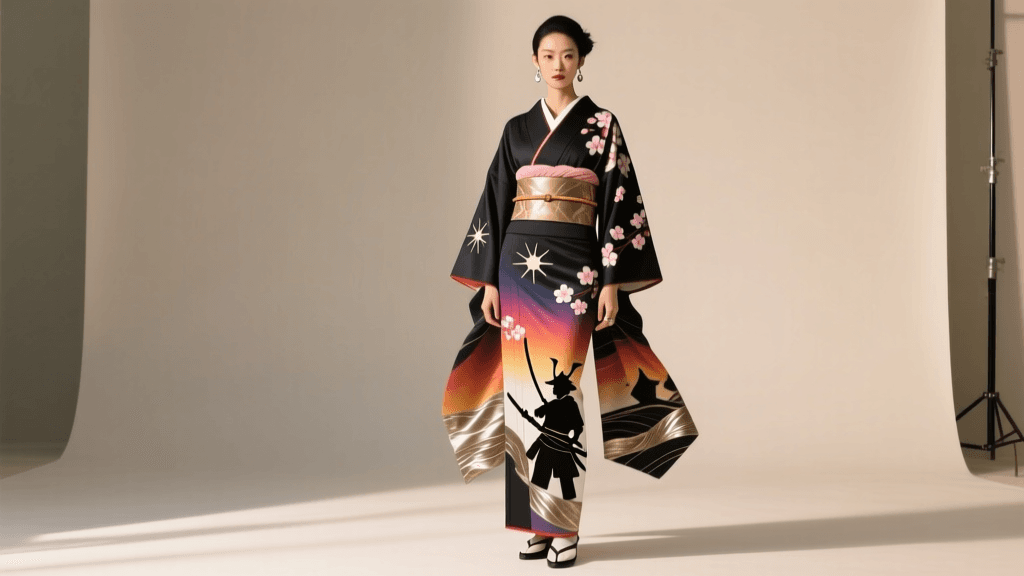
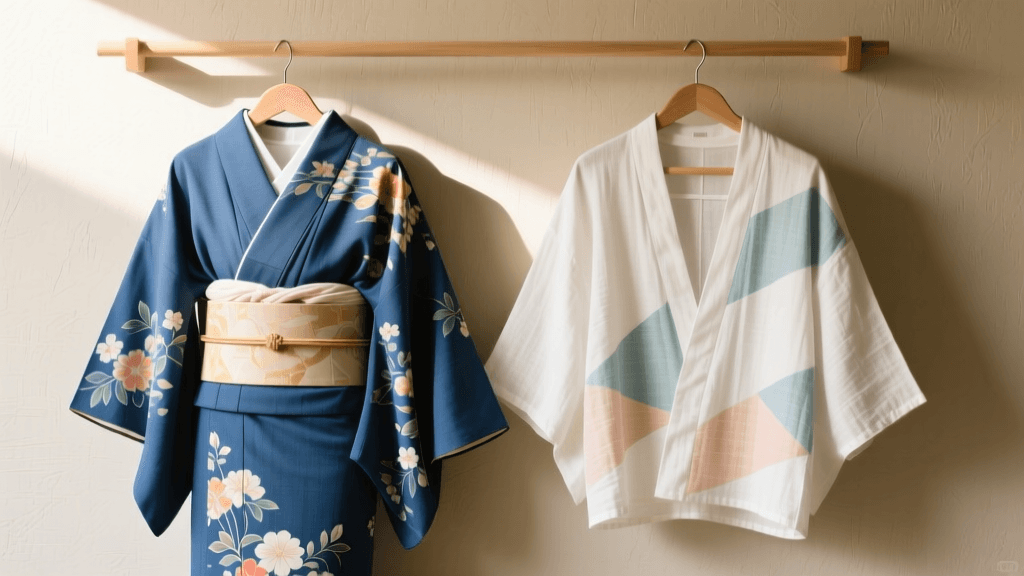
The yukata is a lightweight, unlined cotton kimono that traces its origins back to the Heian period, where it was initially used as a bathrobe by the aristocracy. By the Edo period, it had transformed into the quintessential everyday summer garment for the masses. Today, the yukata occupies a unique space in Japanese fashion: it is the most casual of all kimono types, yet it remains significantly more formal than standard Western summer clothing.
In 2026, the yukata market has seen a massive surge in sustainable and upcycled vintage pieces. Many young Japanese adults and eco-conscious tourists are opting for secondhand silk-blend or antique cotton yukata, pairing them with modern, unconventional obi (sashes) to create unique, street-style looks. Despite these modern twists, the foundational rules of wearing a yukata remain unchanged. It requires specific undergarments (hadajuban), a series of ties (koshihimo), and a properly folded obi. The visual impact of a flowing yukata at a summer fireworks display (hanabi taikai) is unparalleled, offering a deeply romantic and photogenic aesthetic that connects the wearer to centuries of Japanese tradition.
The Jinbei: Ultimate Comfort and Casual Ease
If the yukata is the elegant star of the festival, the jinbei is the unsung hero of everyday summer survival. Originally designed as indoor loungewear for men and children during the Edo period, the jinbei is a two-piece garment consisting of a short-sleeved, wrap-style top and matching shorts or cropped trousers. The top is secured with a simple tie at the waist, completely eliminating the need for complex obi knots.
Over the last decade, and accelerating into 2026, the jinbei has undergone a major fashion renaissance. It is no longer confined to the living room or restricted to men and children. Modern jinbei are heavily favored by women, non-binary individuals, and international tourists who prioritize mobility and breathability. Contemporary designers are releasing gender-neutral jinbei sets featuring bold geometric patterns, minimalist solid colors, and even collaborations with global streetwear brands. For navigating crowded train stations, eating at outdoor food stalls (yatai), or simply lounging at a ryokan, the jinbei offers unmatched practicality.
Yukata vs Jinbei: 2026 Feature Comparison
To help you decide which garment best suits your needs, here is a side-by-side comparison of their core features based on 2026 market trends and cultural norms.
| Feature | Yukata | Jinbei |
|---|---|---|
| Formality Level | Semi-Casual (Appropriate for public festivals, nice dinners) | Very Casual (Loungewear, local street festivals, beachside) |
| Garment Structure | One-piece robe requiring obi and ties | Two-piece set (wrap top and shorts/pants) |
| Dressing Time | 10 to 20 minutes (requires practice) | Under 1 minute (as easy as a t-shirt and shorts) |
| 2026 Avg. Price (New) | ¥10,000 to ¥50,000+ (Full set with accessories) | ¥4,000 to ¥15,000 (Complete two-piece set) |
| Mobility | Restricted stride; requires mindful movement | Unrestricted; ideal for walking, sitting, and dancing |
| Best Occasions | Major fireworks, Gion Matsuri, temple visits, ryokan dinners | Neighborhood bon odori, casual sightseeing, onsen towns |
Fabric Innovations and Weather Adaptations
Japan's summers are notoriously hot, and as global temperatures continue to fluctuate, the textile industry has adapted. Traditional yukata are woven from wazarashi cotton, a meticulous Japanese milling process that creates a crisp, highly breathable fabric that feels cool against the skin. However, in 2026, many commercial yukata brands are introducing 'cool-tech' synthetic blends designed to wick moisture and dry rapidly, catering to tourists who may not be acclimated to the intense humidity.
Jinbei have also seen significant fabric upgrades. While traditional shijira-ori (a textured cotton weave that prevents the fabric from clinging to sweaty skin) remains popular, modern jinbei frequently utilize seersucker, linen-cotton blends, and even lightweight tech-fleece for evening wear in air-conditioned environments. For travelers planning to spend long hours outdoors, a linen-blend jinbei is highly recommended for its superior airflow and rapid sweat evaporation.
Styling, Accessories, and Footwear
Styling a yukata is an art form that requires several accessories. You will need a koshihimo (waist tie) to secure the robe, an obi (sash) to decorate the waist, and an obi-ita (stiffener) to keep the sash smooth. Footwear strictly dictates geta (wooden clogs) worn with bare feet or specialized tabi socks. To carry your essentials, a kinchaku (drawstring bag) is the traditional and most practical choice, as modern handbags can disrupt the silhouette of the garment. As noted by the Victoria and Albert Museum's Kimono collection, the way a kimono or yukata is accessorized often communicates the wearer's age, marital status, and the specific nature of the event they are attending.
Styling a jinbei, by contrast, is wonderfully minimalist. The top is wrapped left-over-right and tied at the hip. Because the legs are exposed, footwear is highly flexible; while traditional sandals are common, it is entirely acceptable in 2026 to wear jinbei with clean sneakers, espadrilles, or barefoot on the beach. Accessories are usually limited to a handheld uchiwa (round fan) and a modern crossbody bag or a simple tote.
How to Choose Based on Your 2026 Itinerary
When planning your summer trip to Japan, let your itinerary dictate your wardrobe. The Japan National Tourism Organization (JNTO) highlights hundreds of summer festivals across the archipelago, each with its own distinct vibe.
- Choose Yukata if: You are attending a major, highly photographed event like the Sumidagawa Fireworks Festival in Tokyo or the Gion Matsuri in Kyoto. Yukata is also the expected dress code for evening kaiseki dinners at high-end traditional inns (ryokan).
- Choose Jinbei if: You are participating in a local neighborhood bon odori dance, spending a lazy afternoon exploring an onsen (hot spring) town like Kinosaki or Beppu, or if you have mobility issues that make navigating crowds in a restrictive skirt-like garment difficult.
- The Hybrid Approach: Many savvy travelers in 2026 pack both. A lightweight, easy-to-wear yukata for one or two 'dress-up' evenings, and two or three sets of jinbei for daily sightseeing and casual lounging.
Sizing, Purchasing, and Global Shipping
Buying traditional Japanese garments can be intimidating due to the sizing system. Yukata are typically sized by mitake (back length). The ideal length should hit around the ankle bone when the garment is pulled taut at the shoulders. In 2026, many global e-commerce platforms and specialized Japanese exporters offer virtual fitting tools that calculate your ideal mitake based on your height and shoulder width.
Jinbei are sized much like Western clothing (S, M, L, XL), making them incredibly accessible for international buyers. When purchasing online, always check the inseam measurement of the shorts, as traditional jinbei shorts can be quite short by Western standards, though modern 'long-jinbei' (cropped trousers) are widely available for those who prefer more leg coverage.
Cultural Etiquette and Care
The most critical rule when wearing either a yukata or a jinbei top is the wrap direction. You must always wrap the left panel over the right panel. Wrapping right-over-left is strictly reserved for dressing the deceased for funerals and is considered highly inauspicious. Memorize the phrase 'left over right' or think of shaking someone's right hand by reaching into your garment with your right hand to ensure you get it correct every time.
Caring for these garments ensures their longevity. While modern tech-fabric jinbei can often be machine-washed on a gentle cycle, traditional cotton yukata and high-end shijira-ori jinbei should be hand-washed in cold water with a mild, neutral detergent. Never wring them out aggressively; instead, roll them in a towel to absorb excess moisture and hang them to dry in the shade. Direct sunlight in 2026's harsh UV environment can quickly fade the beautiful indigo and botanical dyes used in traditional summer wear. When storing them for the off-season, fold them flat along their natural seam lines and store them with natural camphor or cedar blocks to deter moisture and insects.
Conclusion
Ultimately, the choice between a yukata and a jinbei is not about one being superior to the other, but rather about matching the garment to the moment. The yukata offers a beautiful, immersive dive into the aesthetic traditions of Japan, perfect for creating lasting memories at grand summer festivals. The jinbei provides a deeply comfortable, practical, and increasingly stylish way to beat the heat while blending in with locals enjoying their everyday summer routines. By understanding the nuances of both garments, you can curate a 2026 summer travel wardrobe that is culturally respectful, visually stunning, and perfectly adapted to the Japanese climate.