Hanfu Travel Wardrobe 2026: Packing Essentials & Destination Guide
The Renaissance of Hanfu Tourism in 2026
The intersection of heritage travel and traditional dress has reached unprecedented heights in 2026. What began as a niche subculture has blossomed into a mainstream movement, with millions of travelers curating specific 'Hanfu wardrobes' for their domestic and international journeys. Whether you are wandering through the ancient city walls of Xi'an or capturing the misty mornings of Hangzhou's West Lake, traveling with traditional Chinese garments requires strategic planning. Unlike modern fast fashion, Hanfu involves intricate layering, delicate textiles, and specialized accessories that demand careful packing and maintenance.
This comprehensive guide explores the essential packing strategies, 2026 fabric innovations, and destination-specific styling tips to ensure your Hanfu travel wardrobe is as practical as it is breathtaking.
Selecting Your Destination Wardrobe: 2026 Fabric Innovations
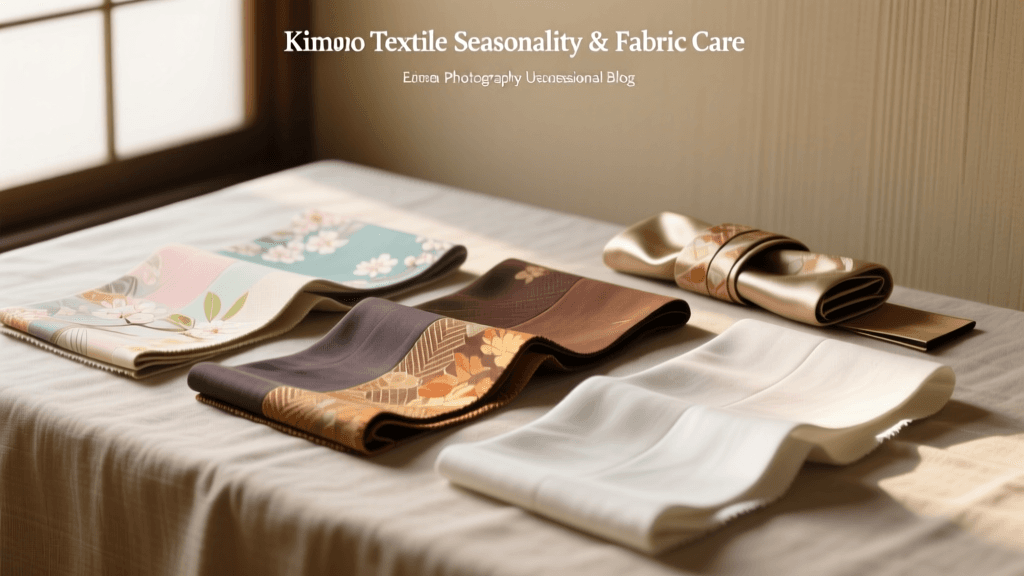
Historically, traveling with Hanfu meant dealing with easily crushed silks and heavy brocades. However, the 2026 market has introduced a wave of 'smart heritage' textiles designed specifically for the modern traveler. When building your destination wardrobe, prioritize these contemporary fabric blends:
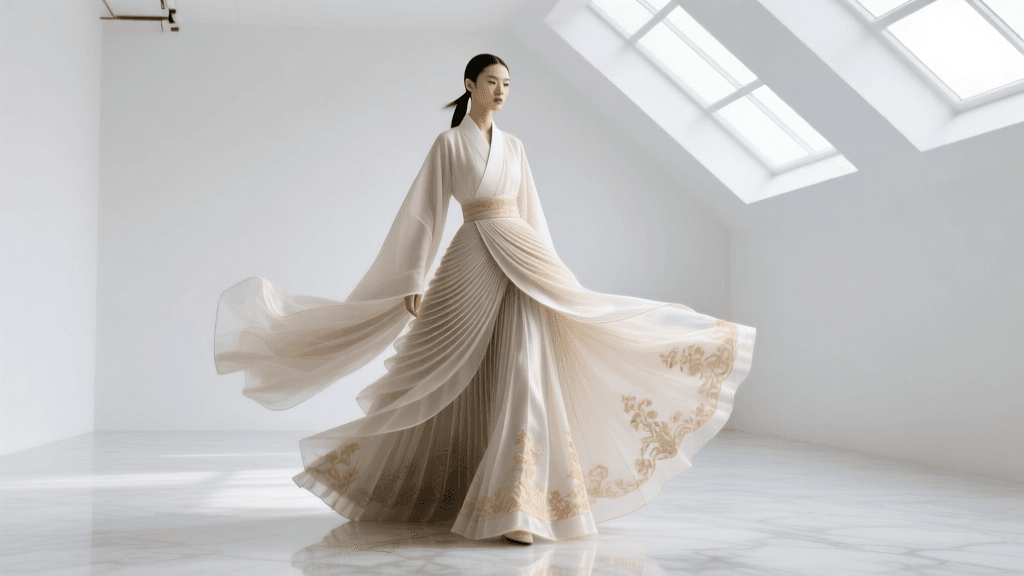
- Wrinkle-Resistant Tencel Blends: Ideal for Song dynasty-style Beizi (long coats) and Ruqun (blouse and skirt sets). Tencel offers the drape and sheen of silk but can be rolled up in a suitcase and shaken out wrinkle-free.
- Stain-Repellent Lotus Silk: A premium eco-friendly innovation for 2026, lotus fiber treated with natural nano-coatings resists spills from street food and tea, making it perfect for bustling night markets.
- Lightweight Jacquard Cottons: For Ming dynasty Mamianqun (horse-face skirts), modern jacquard weaves provide the structural volume of traditional brocades without the crushing weight, saving valuable luggage space.
The Ultimate Hanfu Travel Packing Checklist
Packing Hanfu is not as simple as tossing a few dresses into a suitcase. The layering system requires specific undergarments and structural accessories. Below is the essential 2026 packing matrix for a week-long heritage trip.
| Category | Item | Purpose & 2026 Recommendation |
|---|---|---|
| Base Layers | Moisture-Wicking Zhongyi (Inner Garments) | Essential for hot climates. Look for 2026 bamboo-charcoal infused linings that prevent sweat from reaching outer silk layers. |
| Structural | Petticoat Skirts & Corset Belts | Provides volume for Mamianqun without heavy layering. Modern elasticated Hanfu petticoats save space compared to traditional cotton wraps. |
| Main Garments | 3 Complete Sets (Tang, Song, Ming) | Mix and match tops and skirts. A versatile color palette (e.g., ivory, celadon, navy) allows for cross-dynasty styling. |
| Accessories | Hairpins, Cloud Shoulders (Yunjian) | Pack hairpins in a hard-shell EVA case to prevent bending. Yunjian instantly elevate a simple Ruqun for evening banquets. |
| Care Tools | Portable Steamer & Silk Detergent Sheets | A 2026 foldable travel steamer (under 400g) and biodegradable detergent sheets are mandatory for on-the-go garment care. |
Destination Guides: Where to Wear What
Matching your Hanfu style to your destination enhances both the aesthetic harmony of your photographs and your physical comfort. Here is how to tailor your wardrobe to China's most popular heritage hubs.
Xi'an and Luoyang: Tang Dynasty Grandeur
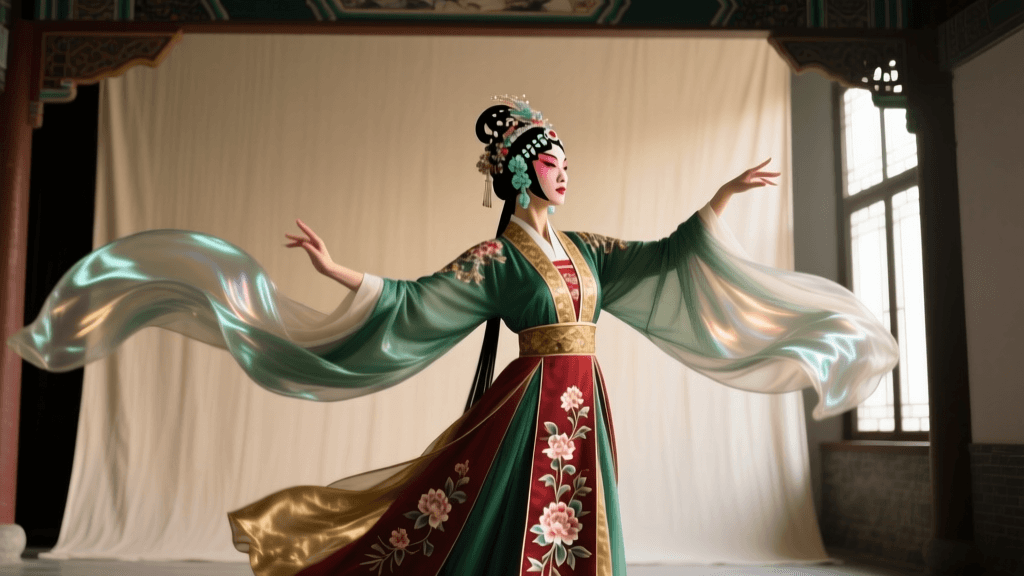
As the starting point of the ancient trade routes, Xi'an demands bold, voluminous silhouettes. According to the UNESCO Silk Roads Online Platform, cities like Xi'an remain pivotal cultural crossroads, and the local tourism infrastructure heavily celebrates the Tang Dynasty (618–907 CE). Pack Qixiong Ruqun (chest-high skirts) with wide, sweeping sleeves. Because the climate in Shaanxi can be arid and dusty in the summer, opt for breathable linen-cotton blends in vibrant hues like terracotta, gold, and jade. Avoid trailing hems that will drag across the ancient cobblestones of the City Wall; instead, choose ankle-length cuts paired with traditional embroidered cloth boots.
Suzhou and Hangzhou: Song Dynasty Elegance
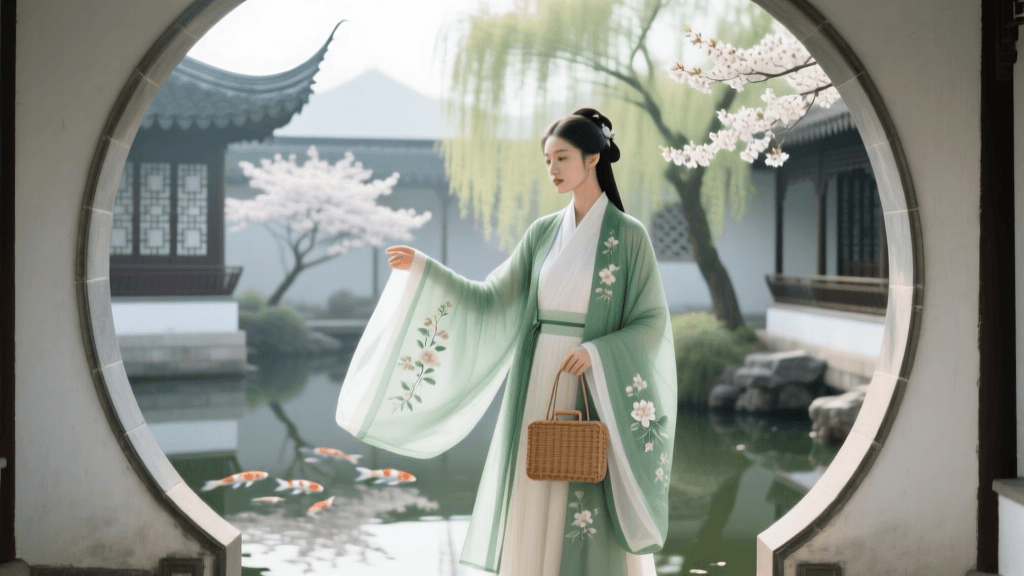
When visiting the Classical Gardens of Suzhou, a UNESCO World Heritage site, the environment calls for understated, intellectual elegance. The Song Dynasty (960–1279 CE) aesthetic perfectly mirrors the minimalist, winding pathways and tranquil koi ponds of these gardens. Pack narrow-sleeved Beizi worn over pleated skirts. The color palette should reflect the landscape: misty grays, bamboo greens, and soft lotus pinks. The high humidity of the Jiangnan region means you must avoid heavy synthetic brocades; stick to the aforementioned Tencel blends or lightweight raw silks that allow for airflow.
Beijing and Nanjing: Ming Dynasty Structure
For the imposing architecture of the Forbidden City or the Ming Xiaoling Mausoleum, the structured, dignified silhouettes of the Ming Dynasty (1368–1644 CE) are unparalleled. The Aoqun (long jacket and skirt) with its standing collar and intricate metal button fastenings provides a regal silhouette that stands up to grand architectural backdrops. For historical accuracy in layering and accessory pairing, resources like the Victoria and Albert Museum's Asia Collections provide excellent visual references for Ming-era textiles and jewelry. Pack velvet or medium-weight jacquard skirts that hold their bell-shape even in brisk autumn winds.
Mastering the Fold: Packing a Mamianqun
The Mamianqun (horse-face skirt) is a staple of the Hanfu wardrobe, but its sharp, knife-like pleats are notoriously difficult to pack. Ruining the pleats in transit can turn a stunning garment into a messy tube of fabric. Follow this 2026-approved folding method to preserve the structure:
- Lay Flat and Align: Spread the skirt on a clean, flat surface. Carefully align the overlapping front and back panels so the 'horse face' (the flat, unpleated center panel) is perfectly centered.
- Secure the Pleats: Use specialized silk-safe clipping hangers or soft binder clips (with tissue paper buffers) to secure the pleats at the waistband and the hem.
- The Roll, Don't Fold Method: Instead of folding the skirt in half, which creates a permanent horizontal crease, gently roll the skirt from the hem upward toward the waistband. The rolling motion preserves the vertical integrity of the pleats.
- Use a Garment Sleeve: Slide the rolled skirt into a breathable cotton garment sleeve or a dedicated tubular packing cube to prevent it from unrolling inside your luggage.
On-the-Go Garment Care and Maintenance
Even with the best packing techniques, travel introduces wrinkles, humidity, and the inevitable spill. A proactive care kit is non-negotiable for the Hanfu traveler.
- Portable Steamers: Irons are largely obsolete for Hanfu due to the risk of scorching delicate weaves and flattening embroidery. Invest in a 2026-model foldable travel steamer with a ceramic-coated plate. Steam your garments in the bathroom while taking a hot shower; the ambient humidity helps the Tencel and silk fibers relax and drop wrinkles instantly.
- Waterless Stain Removers: Traditional Hanfu is rarely dry-clean friendly on the road. Carry a pen-sized waterless stain remover formulated specifically for protein-based fibers (silk) and cellulose (cotton/Tencel). Blot, never rub, to avoid damaging the weave.
- Anti-Tarnish Strips: Hanfu accessories often feature copper, silver, or gold-plated hairpins and waist pendants. Toss a few anti-tarnish strips into your accessories case to prevent oxidation caused by varying humidity levels across different provinces.
Conclusion: Traveling Through Time
Curating a Hanfu travel wardrobe in 2026 is an exercise in balancing historical reverence with modern convenience. By leveraging new textile technologies, understanding the geographical and historical context of your destinations, and mastering the art of the pack, you transform your luggage into a portable time machine. Whether you are sipping Longjing tea in a Hangzhou pavilion or walking the ancient ramparts of Xi'an, your garments will remain pristine, comfortable, and deeply connected to the landscapes that inspired them.