Traditional Chinese Footwear 2026: Cloud Shoes & Boots Guide
The Renaissance of Traditional Chinese Footwear in 2026
The global fashion landscape in 2026 has fully embraced the Xin Zhongshi (New Chinese Style) movement, evolving far beyond the viral Mamianqun (horse-face skirts) and Song dynasty jackets that dominated previous seasons. Today, the focus has shifted downward to the foundational element of any historical outfit: traditional Chinese footwear. As contemporary designers and heritage brands collaborate to merge ancient craftsmanship with modern ergonomics, traditional styles like Yunxie (cloud shoes) and Ming dynasty boots are experiencing an unprecedented renaissance. This comprehensive guide explores the history, modern adaptations, and styling techniques for traditional Chinese footwear in the 2026 fashion ecosystem.
Understanding Yunxie (Cloud Shoes): Craftsmanship and Comfort
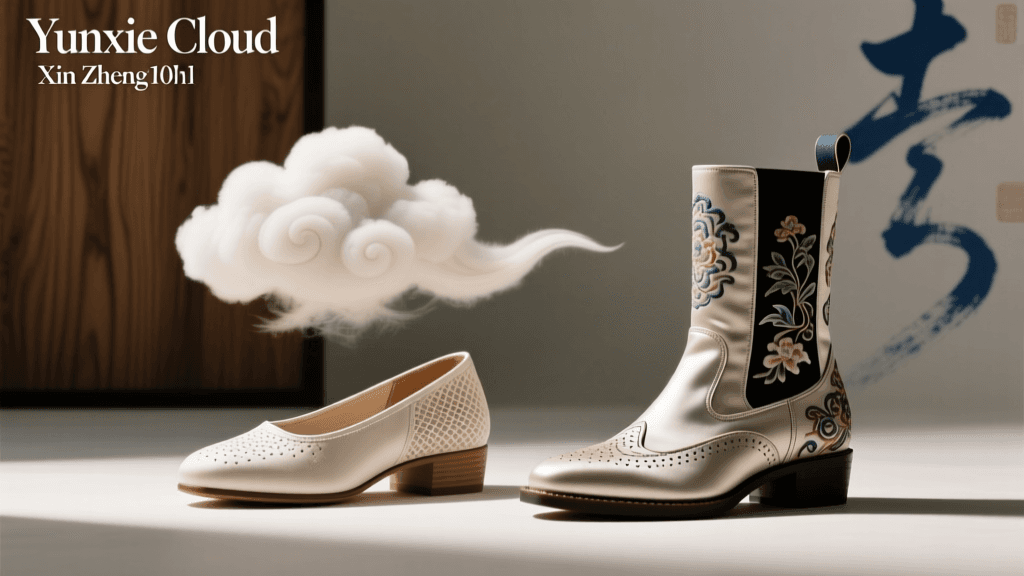
Yunxie, translating literally to 'cloud shoes,' are perhaps the most iconic and recognizable form of traditional Chinese footwear. Originating in the Ming dynasty and reaching peak popularity during the Qing era, these shoes are named for their distinctive upturned toes and the auspicious cloud motifs embroidered across the vamp. Historically, the cloud shape symbolized good fortune, high status, and a connection to the celestial realm.
In 2026, the construction of Yunxie has been meticulously updated for urban wear. While the uppers still feature luxurious silk brocades, damasks, and velvet, the embroidery techniques have seen a revival of regional specialties. According to Britannica's comprehensive guide to embroidery, regional stitches like Suzhou embroidery (Su Xiu) and Shu embroidery are highly prized for their intricate, photorealistic thread work. Modern 2026 collections frequently blend metallic threads with traditional silk floss to catch the light during evening wear, creating a subtle shimmer that pairs beautifully with contemporary evening gowns and tailored Hanfu.
The Anatomy of the Thousand-Layer Sole
The most remarkable engineering feat of traditional Chinese footwear is the qiancengdi, or 'thousand-layer sole.' Historically, this sole was constructed by stacking dozens of layers of cotton cloth, adhering them with natural rice paste, and then hand-stitching them together with thick hemp thread using a specialized awl. This process created a sole that was incredibly durable, breathable, and naturally shock-absorbing.
However, pure cotton soles lack the waterproofing and arch support required for modern city streets. The 2026 iteration of the thousand-layer sole is a hybrid marvel. Heritage brands now encapsulate a core of high-density EVA foam or recycled memory foam within the traditional cotton layers. The outsole is typically finished with a thin, vulcanized rubber or TPU (thermoplastic polyurethane) layer, providing essential grip on wet pavement while maintaining the historical silhouette and the breathable comfort of the cotton upper layers.
Ming and Qing Dynasty Boots: Structured Elegance
While cloud shoes dominate the warmer months and women's fashion, historical boots (Xue) offer a structured, commanding presence that has become a staple in gender-neutral and menswear Xin Zhongshi styling. Ming dynasty court boots and Qing dynasty riding boots were originally designed for equestrian activities and formal court appearances, featuring flat soles, stiffened uppers, and rounded or slightly pointed toes.
The Metropolitan Museum of Art's Department of Asian Art highlights the significance of auspicious motifs and structured textiles in historical Chinese dress, noting that footwear often reflected the wearer's rank and occupation. In 2026, modern boot adaptations retain the stiff, structured vamp and the intricate side-embroidery but have introduced hidden elastic gussets, side-zippers, and contoured heel cups. Designers are utilizing matte black vegan leathers, heavy cotton canvas, and wool-blend brocades to create boots that function similarly to Chelsea boots or combat boots, but with a distinctly traditional Chinese architectural profile.
2026 Buyer’s Guide: Sizing, Materials, and Price Ranges
Navigating the market for traditional footwear requires an understanding of both historical construction and modern sizing. Unlike Western footwear, traditional Chinese shoes were historically built on flat, symmetrical lasts (meaning the left and right shoes were identical). In 2026, almost all reputable brands use anatomical, asymmetrical lasts to support the natural arch and toe splay of the human foot.
Below is a comparative market analysis of traditional Chinese footwear styles available in 2026:
| Footwear Style | Historical Era | Primary 2026 Materials | Modern Adaptation Features | Avg. Price Range (USD) |
|---|---|---|---|---|
| Yunxie (Cloud Shoes) | Ming / Qing | Silk Brocade, Velvet, EVA Foam | Rubber outsoles, memory foam insoles, arch support | $85 - $240 |
| Gongxie (Arched Shoes) | Qing | Embroidered Satin, Cork | Wedge heels, reinforced shanks, padded collars | $110 - $280 |
| Ming Court Boots | Ming | Matte Leather, Heavy Canvas | Elastic gussets, lug soles, moisture-wicking lining | $150 - $350 |
| Qing Riding Boots | Qing | Wool Blend, Faux Suede | Side zippers, cushioned heel cups, flexible uppers | $130 - $300 |
| Straw/Woven Sandals | Antiquity / Han | Hemp, Raffia, Recycled Cotton | Ergonomic footbeds, adjustable ankle straps | $45 - $95 |
Note: When purchasing from Asian heritage brands, always consult the brand's specific millimeter (MM) size chart. A standard US Women's 7 typically translates to a 235MM or 240MM in Chinese sizing, but the narrower toe box of traditional Yunxie may require sizing up by half a size for wider feet.
Styling Traditional Footwear for Modern Wardrobes
Integrating historical footwear into a 2026 wardrobe is all about balancing proportions and mixing textures. The Xin Zhongshi movement thrives on the juxtaposition of ancient elegance and modern minimalism.
- Yunxie with Mamianqun: The classic pairing. Allow the hem of the horse-face skirt to rest just above the ankle bone to fully showcase the upturned toe and side embroidery of the cloud shoe. Pair with a fitted, modern turtleneck or a structured blazer to ground the historical elements.
- Cloud Shoes and Wide-Leg Linen: For a relaxed, scholarly aesthetic (often referred to as the 'Song dynasty minimalist' look), pair muted, unembroidered linen Yunxie with wide-leg, pleated linen trousers. This creates a fluid, monochromatic silhouette perfect for summer tea ceremonies or gallery visits.
- Ming Boots and Streetwear: Black canvas Ming boots with subtle tonal embroidery look incredibly sharp when paired with modern cargo pants or tailored wide-leg wool trousers. The structured vamp of the boot provides a heavy, grounding anchor to oversized outerwear and technical fabrics.
- Arched Shoes (Gongxie) for Evening: The slight elevation of the cork wedge in modern Gongxie makes them an excellent alternative to Western stilettos. Pair them with a modern slip dress and a traditional Pibo (silk shawl) for a red-carpet-ready fusion look.
Care and Maintenance of Silk and Brocade Footwear
Investing in high-quality traditional footwear requires a commitment to proper maintenance. The Victoria and Albert Museum's Asian collections emphasize the fragility of historical silk textiles, noting that light, moisture, and improper storage are the primary enemies of embroidered garments and accessories.
To ensure your 2026 footwear lasts for decades, follow these care protocols:
- Moisture Avoidance: Never wear silk or brocade Yunxie in heavy rain. If they do get wet, stuff them immediately with acid-free tissue paper or clean cotton cloths to absorb moisture and maintain their shape. Allow them to air dry at room temperature, far away from direct heat sources or sunlight, which will fade the embroidery threads.
- Cleaning: Do not machine wash or submerge traditional footwear. For dust and light dirt, use a soft-bristled horsehair brush to gently sweep the surface of the brocade. For localized stains on the silk, consult a professional textile conservator or a specialized dry cleaner who handles historical garments.
- Storage: Store your shoes in breathable cotton dust bags. Avoid plastic bins, which can trap humidity and cause mold or degrade the modern EVA foam components. Insert cedar shoe trees to absorb lingering odors, maintain the structural integrity of the upturned toes, and prevent creasing in the vamp.
Conclusion: Walking Forward in Historical Footsteps
The 2026 revival of traditional Chinese footwear is more than a fleeting trend; it is a profound reclamation of cultural heritage. By marrying the exquisite artistry of Suzhou embroidery and the architectural brilliance of the thousand-layer sole with modern ergonomic science, today's designers are ensuring that Yunxie and historical boots remain relevant for the modern wearer. Whether you are stepping into a pair of cloud shoes for a summer festival or lacing up Ming boots for a winter commute, you are participating in a continuous, evolving dialogue between Asia's rich sartorial past and its innovative future.