Traditional Chinese Footwear 2026: Cloud Shoes & Hanfu Boots
The 2026 Renaissance of Traditional Chinese Footwear
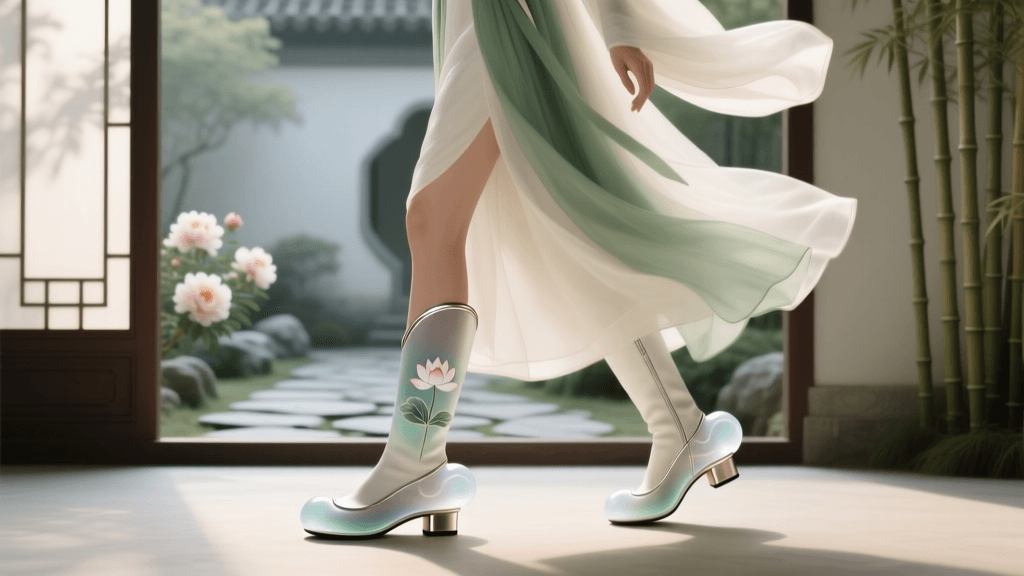
The global fashion landscape in 2026 has fully embraced the Xin Zhongshi (New Chinese Style) movement, transitioning traditional garments from occasional ceremonial wear to everyday wardrobe staples. While the Mamianqun (horse-face skirt) and modernized Song dynasty jackets have dominated the apparel space, the most significant evolution this year has occurred below the hemline. Traditional Chinese footwear, once relegated to stiff, uncomfortable costume props, has undergone a massive ergonomic and material renaissance. Today, heritage artisans and modern biomechanical engineers are collaborating to produce historically accurate, deeply comfortable shoes that honor centuries of craftsmanship while meeting the demands of modern urban commuting.
Whether you are stepping into a pair of elegantly embroidered Yunxie (cloud shoes) for a spring tea ceremony or lacing up weatherproofed Hanfu boots for a winter stroll, understanding the nuances of traditional Chinese footwear is essential for any serious enthusiast of Asian sartorial traditions. This comprehensive guide explores the anatomy, styling, and maintenance of traditional Chinese shoes and boots in 2026.
Yunxie (Cloud Shoes): Engineering Meets Heritage
Yunxie, literally translating to "cloud shoes," are perhaps the most iconic silhouette in traditional Chinese footwear. Characterized by their upturned toes (Qiaotou) and intricate surface embroidery, these shoes were historically worn by women of the Han ethnicity, particularly during the Ming and Qing dynasties. The upturned toe served a highly practical purpose: it caught and elevated the long, flowing hems of traditional skirts, preventing the silk from dragging through the dirt.
The Anatomy of a Modern 2026 Cloud Shoe
In the early days of the Hanfu revival, wearers often complained that replica cloud shoes lacked arch support and featured upturned toes that would awkwardly flop or crease after a few hours of walking. The 2026 market has completely solved these issues through innovative material science. Modern premium Yunxie now feature internal 3D-printed flexible resin armatures within the toe box. This provides the iconic upward swoop with structural integrity that bends naturally with the foot's gait without losing its shape.
Furthermore, the traditional "thousand-layer sole" (Qiancengdi), which was historically made by stitching dozens of layers of cotton cloth together, has been reimagined. Artisans now use compressed, high-density EVA foam wrapped in woven cotton and linen. This provides the shock absorption required for walking on modern concrete and asphalt while maintaining the exact visual profile and slight elevation of a historical cloth sole. According to UNESCO's Intangible Cultural Heritage registry, the preservation of traditional sericulture and silk craftsmanship remains vital, and 2026's top-tier cloud shoes utilize sustainable, Ahimsa (peace) silk for their uppers, ensuring that the vibrant Su Xiu (Suzhou embroidery) motifs of peonies, cranes, and auspicious clouds are both ethical and breathtakingly detailed.
Hanfu Boots: From Ming Dynasty Courts to 2026 Streets
While cloud shoes dominate the warmer months and feminine silhouettes, Hanfu boots offer a structured, commanding presence that is essential for autumn and winter wardrobes, as well as for masculine and gender-neutral styling. The two primary categories of traditional boots making waves in 2026 are the Zaoxue (black official boots) and the embroidered ankle boots worn by women and scholars.
Zaoxue and the Commuter Boot Evolution
The Zaoxue, characterized by its thick, layered white sole and black upper, was historically worn by Ming dynasty officials and scholars. In 2026, the "commuter Zaoxue" has become a staple of the Xin Zhongshi streetwear scene. Designers have integrated hidden rubber lug soles beneath the traditional white felt-and-cotton midsole. This provides essential grip on wet city streets and subway grates while preserving the stark, elegant contrast of the black-and-white historical silhouette. The uppers are now frequently crafted from premium vegan microfiber leathers or weather-treated calfskin, offering windproof and water-resistant properties that historical silk and cotton simply could not provide.
Women's Embroidered Ankle Boots
For women, the Ming-style ankle boot—often featuring a slight wedge heel and intricate Shu Xiu (Sichuan embroidery)—has been adapted for modern calf widths and insteps. Historically, footwear was made on standard, narrow lasts. Today's bespoke and high-end ready-to-wear brands utilize 3D foot-scanning data to create wider toe boxes and reinforced heel counters. This ensures that when paired with heavy winter Mamianqun skirts lined with wool or fleece, the foot remains secure and blister-free. The historical motifs of plum blossoms and bamboo are now rendered in colorfast, UV-resistant synthetic-silk blends that withstand the harsh winter sun and road salt.
Comprehensive 2026 Sizing and Fit Guide
One of the most common hurdles for international enthusiasts of traditional Chinese footwear is navigating the sizing systems. Unlike Western footwear, which often varies wildly between brands, the modern Chinese standard (based on foot length in millimeters/centimeters) is highly standardized in 2026. However, because traditional shoes often feature a shallower vamp and a narrower heel, understanding how to translate your measurements is crucial.
Below is the definitive 2026 conversion chart for traditional Chinese footwear. Always measure your foot at the end of the day when it is slightly swollen, and if you plan to wear thick winter socks with your Hanfu boots, size up by one full CN increment.
| CN Size | US Women | US Men | EU Size | Foot Length (cm) | Recommended Vamp Style |
|---|---|---|---|---|---|
| 35 | 5 | - | 36 | 22.5 | Shallow Slip-on Yunxie |
| 36 | 6 | - | 37 | 23.0 | Shallow Slip-on Yunxie |
| 37 | 7 | 5.5 | 38 | 23.5 | Lace-up Ankle Boots |
| 38 | 8 | 6.5 | 39 | 24.0 | Lace-up Ankle Boots |
| 39 | 9 | 7.5 | 40 | 24.5 | Zaoxue / Deep Vamp |
| 40 | 10 | 8.5 | 41 | 25.0 | Zaoxue / Deep Vamp |
| 41 | 11 | 9.5 | 42 | 25.5 | Wide-Calf Winter Boots |
| 42 | 12 | 10.5 | 43 | 26.0 | Wide-Calf Winter Boots |
| 43 | - | 11.5 | 44 | 26.5 | Custom Bespoke Lasts |
Styling Footwear for the Xin Zhongshi Movement
The brilliance of the 2026 Xin Zhongshi movement lies in its fluidity; it does not demand strict historical reenactment but rather a harmonious blend of heritage and contemporary life. Styling traditional footwear requires an understanding of proportion, texture, and hemline management.
Pairing Yunxie with Modern Silhouettes
Cloud shoes are no longer restricted to full Hanfu ensembles. In 2026, fashion-forward individuals are pairing pastel, minimally embroidered Yunxie with wide-leg linen trousers and cropped, modernized Tang-style jackets. The key to pulling this off is ensuring the trousers have a slight taper or are cuffed just above the ankle, allowing the upturned toe and the intricate embroidery of the shoe's vamp to remain visible. For a more avant-garde look, deep jewel-toned cloud shoes (such as sapphire blue or madder red) are being worn with sleek, floor-length modern slip dresses, creating a striking juxtaposition of fluid modern silk and structured, heritage-inspired footwear.
Integrating Boots into Daily Wear
Hanfu boots, particularly the black Zaoxue, have found a natural home in gender-neutral and dark-academia-inspired wardrobes. They pair exceptionally well with structured wool overcoats, pleated midi skirts, and tailored wide-leg trousers. The thick, layered sole of the boot provides an excellent platform for draping heavy winter fabrics, ensuring that the hem of a wool Mamianqun or a modernized Ming-style robe glides just millimeters above the ground, maintaining a clean, regal silhouette. As noted by textile historians and conservators at the Victoria and Albert Museum's Asian Collections, the historical integration of footwear with the drape of the garment was paramount to the overall aesthetic; modern styling must respect this interplay of fabric and structure to achieve an authentic look.
Conservation and Daily Maintenance
Investing in high-quality, artisan-crafted traditional footwear requires a commitment to proper maintenance. The materials used in 2026's premium shoes—ranging from natural peace silk and hand-woven cotton to vegetable-tanned leathers—are durable but require specific care to maintain their luster and structural integrity.
- Daily Dusting: Use a soft, natural-bristle brush (such as horsehair) to gently remove dust and dirt from embroidered surfaces after every wear. Never use wet wipes on silk embroidery, as the water can cause the natural dyes to bleed.
- Moisture Management: If your cotton-layered soles become damp from rain, never place them near a direct heat source like a radiator. Stuff the shoes with acid-free tissue paper or unbleached cotton cloth to absorb moisture and maintain the shape of the toe box, allowing them to air dry at room temperature.
- Storage: Store your footwear in breathable cotton dust bags. Avoid plastic bins, which can trap humidity and lead to mold growth on natural fibers. For ankle boots and Zaoxue, use cedar shoe trees to absorb odors and prevent the leather or heavy cotton uppers from collapsing.
- UV Protection: Prolonged exposure to direct sunlight will fade the vibrant, naturally dyed silks used in high-end embroidery. Store your shoes in a dark, climate-controlled closet when not in use.
Conclusion: Stepping into the Future of Heritage
The evolution of traditional Chinese footwear in 2026 represents a triumph of cultural preservation meeting modern innovation. By respecting the historical silhouettes documented by institutions like The Metropolitan Museum of Art's Asian Art Department, while embracing modern ergonomic needs and sustainable materials, today's artisans have ensured that Yunxie and Hanfu boots are not merely museum relics, but living, breathing components of a vibrant global wardrobe. Whether you are attending a formal cultural event or simply navigating your daily commute, stepping into a pair of expertly crafted traditional shoes is a profound way to connect with centuries of Asian artistry, one step at a time.