2026 Guide to Traditional Chinese Footwear: Cloud Shoes & Boots
The global fashion landscape in 2026 has been profoundly reshaped by the Xin Zhongshi (New Chinese Style) movement, a cultural renaissance that seamlessly blends ancient sartorial heritage with contemporary tailoring. While much attention is often paid to the flowing silhouettes of Hanfu or the structured pleats of the Mamian (horse-face) skirt, the foundation of any authentic traditional ensemble lies in its footwear. Traditional Chinese footwear is not merely an accessory; it is a grounding element that dictates posture, movement, and the overall drape of the garments worn above it. This comprehensive guide explores the rich history, modern 2026 adaptations, and styling nuances of iconic traditional Chinese footwear, with a special focus on Yuntou Xie (Cloud Shoes) and Xuezi (traditional boots).
The Enduring Elegance of Yuntou Xie (Cloud Shoes)
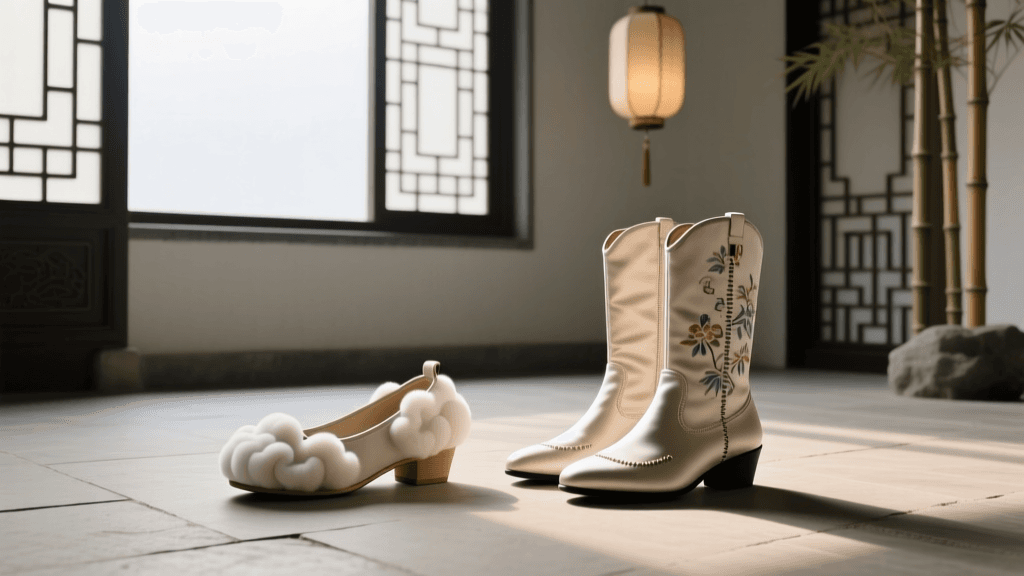
Yuntou Xie, commonly known as Cloud Shoes, are arguably the most recognizable and romanticized footwear in Chinese history. Characterized by their distinctive upturned toes that resemble the ruyi scepter or stylized auspicious clouds, these shoes were prominently worn by women during the Ming and Qing dynasties. The upturned toe was not merely decorative; it served a highly practical function by catching the hem of long, flowing skirts, preventing the wearer from tripping while simultaneously allowing a deliberate, graceful, and measured gait.
Anatomy and Embroidery in 2026
In 2026, the construction of Yuntou Xie has evolved to meet the demands of modern urban life without sacrificing historical authenticity. Artisans are now utilizing advanced 3D-molding techniques to create the iconic upturned toe using lightweight, plant-based resins rather than heavy, stiffened cotton. The upper portions of the shoes remain a canvas for masterful embroidery. Su (Suzhou) embroidery, renowned for its delicate, split-silk threads, and Shu (Sichuan) embroidery, celebrated for its vibrant colors and three-dimensional texture, are the premier choices for high-end cloud shoes.
Modern iterations frequently feature motifs of peonies (symbolizing wealth and honor), lotuses (purity), and butterflies (longevity and joy). However, the most significant 2026 innovation lies beneath the footbed. Leading heritage brands have integrated memory foam and ergonomic arch support hidden beneath layers of raw silk and brocade, ensuring that wearers can navigate cobblestone streets and modern subway systems with equal comfort.
Xuezi Boots: From Equestrian Roots to the Runway
While Cloud Shoes are intrinsically linked to the delicate aesthetics of southern Chinese courts, Xuezi (boots) represent the robust, equestrian, and martial influences of the Northern Dynasties and the subsequent Qing era. Originally designed for horseback riding and navigating harsh, snowy terrains, Xuezi boots feature a thicker, more substantial sole and a higher shaft that protects the ankle and lower calf.
The Thick-Soled Revolution and Modern Adaptations
Historically, the soles of traditional boots were constructed from layered cotton and paper, compressed and stitched together with hemp thread to create a remarkably thick, shock-absorbing base. This design heavily influenced Peking Opera footwear, where the height of the sole often denoted the social rank of the character. In 2026, contemporary designers have reimagined the Xuezi boot for the Xin Zhongshi wardrobe by replacing the heavy, water-logged traditional soles with lightweight, weather-resistant vulcanized rubber and recycled EVA composites.
The shaft of the modern Xuezi boot is crafted from vegan leathers, textured velvets, and heavy-weight jacquard brocades. According to the Metropolitan Museum of Art's Heilbrunn Timeline of Art History, Qing dynasty court boots were heavily regulated by sumptuary laws, with specific colors and materials reserved exclusively for the imperial family. Today, 2026 fashion enthusiasts enjoy complete freedom, pairing matte-black Xuezi boots with structural, wide-legged wool trousers for a striking, gender-neutral silhouette that commands attention in both corporate and creative environments.
2026 Buyer’s Comparison Chart: Traditional Footwear
When curating a traditional or neo-traditional wardrobe, selecting the correct footwear is paramount. The following table outlines the primary characteristics and best use cases for the most prominent styles available in 2026.
| Footwear Style | Historical Origin | 2026 Material Innovations | Ideal Wardrobe Pairing |
|---|---|---|---|
| Yuntou Xie (Cloud Shoes) | Ming / Qing Dynasties | Recycled brocade, EVA toe-caps, silk embroidery | Mamian (Horse-face) skirts, flowing Hanfu |
| Xuezi (Court Boots) | Northern Dynasties / Qing | Vegan leather, lightweight rubber soles, jacquard | Tailored wide-leg trousers, Zhang (tunics) |
| Mangxie (Straw Sandals) | Ancient Agrarian | Woven hemp, cork footbeds, anti-friction lining | Summer linen sets, casual Zen wear |
| Gongxie (Court Slippers) | Qing Dynasty | Silk satin, memory foam insoles, low wedge | Qipao (Cheongsam), modern tea-length dresses |
Styling Traditional Footwear in the Xin Zhongshi Era
Integrating historical footwear into a modern 2026 wardrobe requires an understanding of proportion, color theory, and fabric drape. The Xin Zhongshi movement is not about wearing a museum replica; it is about capturing the spirit and philosophy of traditional Chinese aesthetics and translating them for contemporary life.
Mastering Proportions and Hemlines
The most critical factor when styling Yuntou Xie is the hemline of your skirt. The upturned toe of the cloud shoe is designed to interact with the fabric. When wearing a Mamian skirt, the hem should ideally fall just above the ankle bone, allowing the intricate embroidery of the shoe's vamp and the elegant curve of the toe to be fully visible. If the skirt is too long, it will crush the delicate toe structure and hide the shoe's defining feature. Conversely, Xuezi boots demand a different approach. They look best when the trousers are either tucked seamlessly into the boot shaft or when wide-legged trousers drape elegantly over the boot, allowing only the thick, architectural sole to peek through as the wearer moves.
Color Theory and the Wuxing Philosophy
Traditional Chinese color theory is deeply rooted in the Wuxing (Five Elements) philosophy. In 2026, stylists are moving away from clashing, overly vibrant combinations and leaning into the sophisticated, muted tones found in ancient ceramics and landscape paintings. For example, pairing Azure (Qing) cloud shoes with a Moon-White (Yuebai) skirt creates a harmonious, ethereal look that references the sky and clouds. Alternatively, grounding an outfit with obsidian-black Xuezi boots provides a striking contrast to garments dyed in cinnabar red or ochre yellow. The Victoria and Albert Museum's Chinese Collections highlight the historical importance of natural dyes, a practice that has seen a massive resurgence in 2026, with eco-conscious consumers demanding footwear dyed using indigo, lotus root, and pomegranate rind.
Preservation and Maintenance of Heritage Footwear
Investing in high-quality, embroidered traditional footwear requires a commitment to proper care. Silk, brocade, and natural dyes are highly susceptible to environmental damage if not stored and maintained correctly.
Cleaning and Storage Protocols
Never machine wash or submerge Yuntou Xie or brocade Xuezi boots in water. For routine maintenance, use a soft horsehair brush to gently remove dust from the embroidered surfaces, always brushing in the direction of the stitch to prevent fraying. For localized stains on silk uppers, a specialized, pH-neutral silk cleaner applied with a microfiber cloth is recommended.
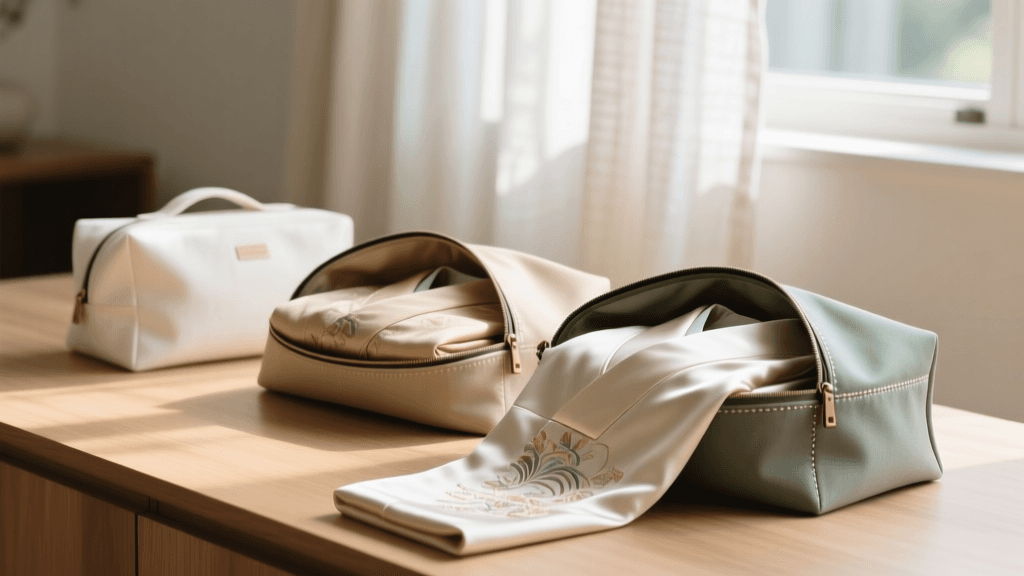
Storage is equally vital. The upturned toes of Cloud Shoes must be supported to prevent them from drooping or creasing over time. In 2026, custom-carved cedar shoe trees, designed specifically with the curved ruyi toe shape, are widely available from heritage haberdasheries. Cedar naturally repels moisture and insects, which is crucial for protecting organic silk threads. Furthermore, store your footwear in breathable cotton dust bags within a climate-controlled environment, avoiding direct sunlight which will rapidly fade the natural plant-based dyes used by modern artisanal workshops.
Conclusion
The revival of traditional Chinese footwear in 2026 is a testament to the enduring power of cultural heritage. Whether you are stepping out in a pair of meticulously embroidered Yuntou Xie or commanding the pavement in architectural Xuezi boots, these garments offer a profound connection to the past while firmly planting your style in the avant-garde present. By understanding their history, mastering their styling, and committing to their preservation, you participate in the ongoing evolution of the Xin Zhongshi movement, proving that true elegance is, indeed, timeless.