2026 Guide to Traditional Chinese Footwear: Cloud Shoes & Boots
The Renaissance of Traditional Chinese Footwear in 2026
As the global fashion landscape continues to embrace cultural heritage, the Xin Zhongshi (New Chinese Style) movement has evolved dramatically by 2026. No longer confined to modernized Hanfu or Mandarin-collar jackets, this sartorial renaissance has firmly reached the ground beneath our feet. Traditional Chinese footwear, once relegated to museum displays or theatrical performances, is now a cornerstone of contemporary heritage styling. From the elegant, upturned toes of Yuntou (cloud shoes) to the structured silhouettes of traditional equestrian boots, modern artisans are blending centuries-old craftsmanship with 2026 ergonomic standards.
According to recent cultural market analyses by Jing Daily, the demand for authentic, handcrafted heritage accessories has surged, with consumers prioritizing artisanal techniques over mass-produced fast fashion. This guide explores the rich history, modern adaptations, and practical styling of traditional Chinese footwear for the modern wardrobe.
Yuntou (Cloud Shoes): History and Modern Craftsmanship
Yuntou, literally translating to 'cloud head' shoes, are characterized by their distinctive upturned toe caps. Historically popular during the Ming and Qing dynasties, the toe was designed to resemble the ruyi cloud motif or the petals of a lotus flower, symbolizing good fortune, upward mobility, and spiritual ascension. In historical contexts, these shoes were predominantly worn by women of the upper and middle classes, featuring lavish silk embroidery depicting peonies, cranes, or butterflies.
The Anatomy of a Modern Cloud Shoe
In 2026, heritage shoemakers in Suzhou and Beijing have reimagined the Yuntou for daily urban wear. While the aesthetic silhouette remains faithful to historical artifacts preserved in institutions like The Metropolitan Museum of Art, the internal structure has been completely overhauled. Modern cloud shoes now feature memory foam insoles, reinforced arch support, and flexible rubber outsoles disguised beneath traditional cotton or silk uppers. This fusion allows wearers to navigate concrete cityscapes without sacrificing the delicate visual poetry of the traditional silhouette.
The Qiancengdi: The Thousand-Layer Sole Technique
You cannot discuss traditional Chinese footwear without addressing the Qiancengdi, or 'thousand-layer sole.' Despite the poetic name, a genuine Qiancengdi sole typically consists of 30 to 40 layers of high-quality cotton cloth. These layers are pasted together using natural wheat flour glue, compressed, and then meticulously stitched together with thick hemp thread. A single sole can require over a thousand individual stitches, demanding immense physical strength and precision from the artisan.
The beauty of the Qiancengdi lies in its breathability and shock absorption. The compressed cotton layers wick away moisture, while the dense stitching provides a firm yet yielding base that molds to the wearer's foot over time. In 2026, genuine hand-stitched Qiancengdi soles are considered a luxury commodity, often taking a master cobbler several days to complete a single pair. They are highly prized in the Xin Zhongshi community for their unmatched comfort during long days of travel or cultural festivals.
Traditional Boots (Xue): From Equestrian Roots to Urban Runways
While cloud shoes represent the delicate elegance of court and domestic life, traditional boots (Xue) reflect the martial and equestrian history of China's northern regions and nomadic influences. Historically, boots were essential for horseback riding, offering protection to the calves and stability in stirrups. During the Qing dynasty, court officials wore 'Chaoxue' (court boots) featuring thick, white, boat-shaped soles made of compacted paper and cloth, which dictated a slow, dignified gait.
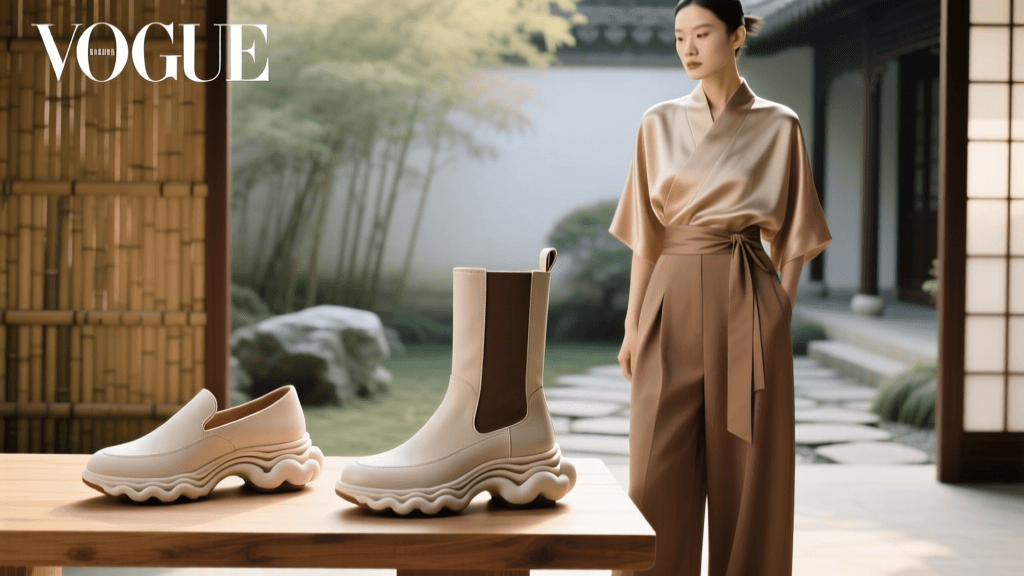
Conversely, 'Kuaixue' (fast boots) featured thinner, more flexible soles designed for martial artists, couriers, and soldiers. The 2026 iteration of the traditional boot draws heavily from the Kuaixue silhouette. Modern designers are crafting these boots using vegan leathers, waterproof suedes, and Goodyear-welted construction, making them ideal for autumn and winter styling. The sleek, tapered shaft of the traditional boot pairs exceptionally well with wide-leg trousers and structured, Song dynasty-inspired overcoats.
2026 Buyer’s Guide: Authentic Craftsmanship vs. Modern Adaptations
Navigating the market for traditional Chinese footwear requires an understanding of the different tiers of production. Below is a comparison chart to help buyers identify the right footwear for their specific needs and budget in 2026.
| Footwear Type | Traditional Material | 2026 Modern Adaptation | Avg. Price (USD) | Best Styling Scenario |
|---|---|---|---|---|
| Authentic Yuntou (Handmade) | Silk upper, Qiancengdi cotton sole | Hidden rubber heel cap, memory foam insert | $180 - $350 | Formal events, Hanfu photography, tea ceremonies |
| Modernized Cloud Sneakers | Cotton/Linen blend upper | EVA foam sole, cloud-toe rubber overlay | $60 - $120 | Daily commuting, casual Xin Zhongshi streetwear |
| Heritage Kuaixue Boots | Woven cotton, leather accents | Waterproof suede, Goodyear welt, brass zippers | $220 - $450 | Winter layering, equestrian-chic, urban exploration |
| Court-Style Platform Boots | Silk, velvet, thick paper sole | Lightweight EVA platform, velvet upper | $90 - $160 | Theatrical performances, runway fashion, cosplay |
Styling Footwear with Xin Zhongshi Wardrobes
Integrating traditional footwear into a 2026 wardrobe is all about balancing proportions and mixing textures. The golden rule of Xin Zhongshi styling is to avoid looking like you are wearing a theatrical costume; instead, aim for a harmonious blend of historical nods and contemporary minimalism.
- Pairing Cloud Shoes with Mamianqun: The horse-face skirt (Mamianqun) remains a staple of modern Chinese fashion. When wearing a pleated Mamianqun, opt for low-profile cloud shoes in a color that matches the skirt's hem embroidery. This creates a continuous visual line that elongates the leg.
- Boots and Wide-Leg Linen: For a more relaxed, scholarly aesthetic, pair modernized Kuaixue boots with wide-leg linen or heavy cotton trousers. Allow the trousers to drape slightly over the boot shaft, creating a relaxed silhouette reminiscent of ancient literati.
- Color Coordination: While traditional shoes often featured stark contrasts (like black silk with white soles), 2026 trends favor monochromatic or tonal dressing. Deep jade greens, charcoal greys, and muted ochres are currently dominating the heritage footwear market.
Care and Maintenance for Silk and Cotton Footwear
Investing in handcrafted traditional footwear requires a commitment to proper maintenance. The natural materials used in authentic pairs are highly susceptible to environmental damage if not cared for correctly. Experts at the Bata Shoe Museum frequently highlight the importance of climate control when preserving historical textile footwear, a principle that applies equally to modern artisanal pairs.
Cleaning Silk and Embroidered Uppers
Never submerge silk or heavily embroidered uppers in water. Instead, use a soft-bristled brush to gently remove dry dust and dirt. For localized stains, a microfiber cloth lightly dampened with distilled water and a drop of pH-neutral silk detergent should be dabbed—not rubbed—onto the affected area. Allow the shoes to air dry away from direct sunlight, which can cause the vibrant natural dyes to fade.
Preserving the Qiancengdi Sole
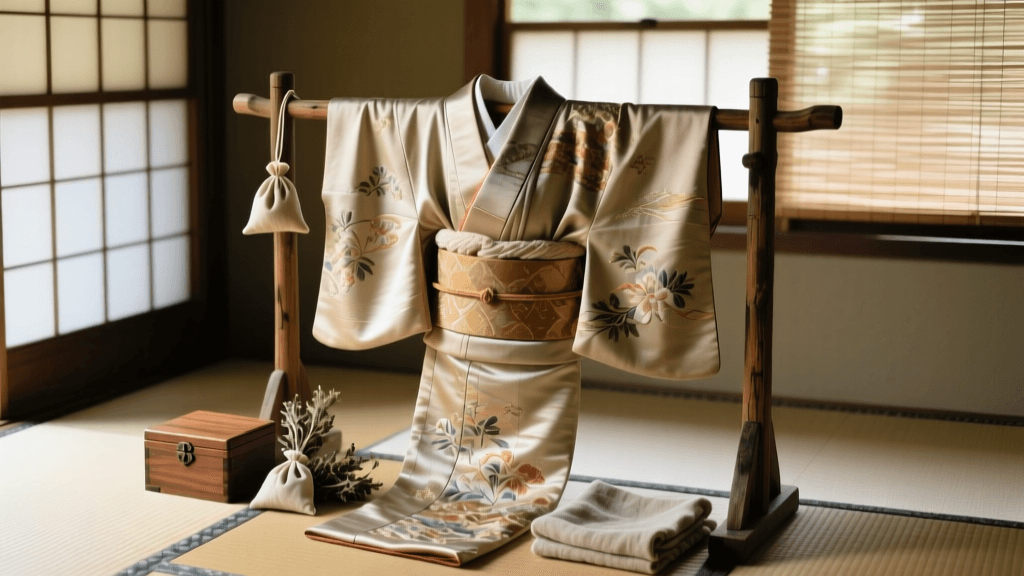
The thousand-layer cotton sole is incredibly durable but highly vulnerable to prolonged moisture. If you are caught in the rain, immediately stuff the shoes with unbleached paper towels to absorb moisture and help them retain their shape. Never place them near a radiator or use a hair dryer, as rapid heat will cause the natural wheat paste binding the layers to crack and separate. Once dry, store them in a breathable cotton dust bag with cedar blocks to naturally repel moisture and insects.
'The true luxury of traditional Chinese footwear in 2026 is not just in the visual embroidery, but in the tactile experience of the Qiancengdi sole. It is a grounding connection to centuries of artisanal patience.' — Contemporary Footwear Artisan, Suzhou Heritage Guild.
Conclusion: Stepping into the Future of Heritage
The resurgence of Yuntou cloud shoes and traditional boots is a testament to the enduring appeal of Chinese sartorial heritage. As we move through 2026, the boundary between historical artifact and daily wearable art continues to blur, thanks to the dedication of master cobblers and the creative vision of the Xin Zhongshi community. By understanding the anatomy, history, and proper care of these extraordinary garments, enthusiasts can confidently step into the future while honoring the profound craftsmanship of the past.