Mastering Koromogae: Seasonal Kimono Layering Techniques
The Historical Roots of Koromogae
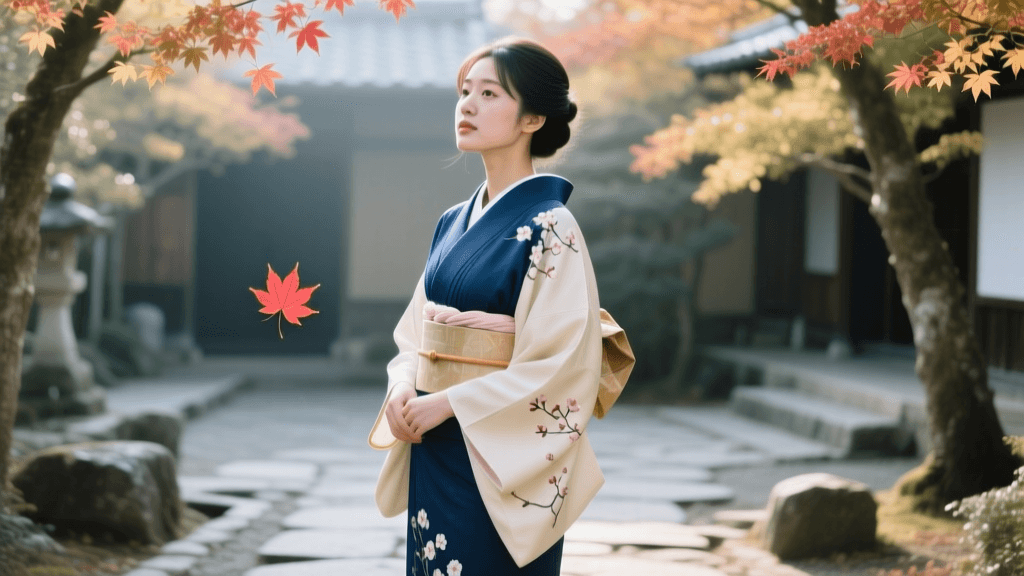
The concept of koromogae (衣替え), or the seasonal changing of clothes, is deeply embedded in Japanese culture. While modern Japanese citizens might simply swap winter coats for summer linens, the traditional kimono adheres to a strict, historically significant calendar. According to the Metropolitan Museum of Art's Heilbrunn Timeline of Art History, the Heian period (794–1185) court developed highly complex color combinations and layering techniques, most notably seen in the junihitoe (twelve-layer robe). These layers were not merely for warmth; they were a visual language conveying rank, season, and aesthetic refinement.
The transition of garments was originally a courtly ritual performed on the first day of the fourth and tenth lunar months. This practice was so vital that it was overseen by specific court bureaus. The visual poetry of layering—where the colors of the inner robes peeked out from beneath the outer sleeves to mimic the blooming of plum blossoms or the falling of autumn leaves—was called kasane no irome (layered color combinations). Today, while the average woman no longer wears twelve layers, the foundational rules of seasonal layering remain a cornerstone of kitsuke (the art of kimono dressing). Understanding how to manipulate undergarments, linings, and sheer textiles is essential for anyone looking to wear traditional Japanese garments correctly and comfortably throughout the year.
The Modern Seasonal Kimono Calendar
Unlike Western fashion, which often transitions based on daily weather fluctuations, traditional kimono wear follows a rigid lunar and solar calendar. The primary division is between awase (lined kimono), hitoe (unlined kimono), and usumono (sheer summer kimono). The Victoria and Albert Museum notes that while modern kimono are less layered than their historical counterparts, the seasonal sensitivity of the textiles remains paramount.
Below is a practical guide to the seasonal kimono calendar:
| Season | Months | Kimono Type | Primary Fabric | Layering Focus |
|---|---|---|---|---|
| Spring | Oct 1 - May 31 | Awase (Lined) | Silk, Rinzu, Chirimen | Standard silk nagajuban, silk haori |
| Early Summer | June 1 - June 30 | Hitoe (Unlined) | Tsumugi, Cotton, Wool | Breathable cotton or hemp juban |
| High Summer | July 1 - Aug 31 | Usumono (Sheer) | Ro, Sha, Hemp | Minimalist hadajuban, cooling mesh |
| Early Autumn | Sept 1 - Sept 30 | Hitoe (Unlined) | Silk, Light Wool | Transition back to silk undergarments |
Note: In regions with extreme climates, such as Hokkaido or Okinawa, practitioners often adjust these dates by a few weeks to prioritize personal comfort over strict traditional adherence.
Essential Layering Techniques and Undergarments
The secret to a flawless kimono silhouette lies not in the outer garment, but in the layers beneath. The foundation of kitsuke requires specific undergarments that change based on the season.
The Foundation: Hadajuban and Susoyoke
The hadajuban (undershirt) and susoyoke (wrap skirt) form the base layer. In winter, a thick, quilted cotton or thermal synthetic blend is preferred. In summer, practitioners switch to suhada juban, a lightweight, unlined hemp or seersucker cotton garment designed to wick moisture and prevent the outer silk layers from clinging to the skin.
The Nagajuban and Han-Eri
The nagajuban is the primary under-kimono. For lined awase kimono, a fully lined silk nagajuban is standard. However, the true genius of seasonal adaptation lies in the han-eri (decorative half-collar). Sewn onto the nagajuban collar, the han-eri is easily removed and swapped. In winter, heavy embroidered silk collars are used; in summer, sheer ro or woven lace collars provide visual cooling.
Dressing Technique: The Eri-Nuki
A critical dressing technique is the use of the eri-nuki (collar puller). This small fabric loop or plastic stay is attached to the back of the nagajuban. By pulling the eri-nuki down and securing it with a koshihimo (waist tie), the wearer achieves the elegant eri-ashi (collar gap) at the nape of the neck. In summer, this gap is pulled slightly wider to allow air circulation and create a visually cooling effect.
Practical Guide: Building Your Seasonal Layering Kit
For those investing in traditional garments, building a versatile layering kit is more cost-effective than purchasing multiple outer kimonos. Below is a practical breakdown of essential items, standard measurements, and estimated costs.
- Standard Koshihimo (Waist Ties): Purchase at least 4. For winter, use soft mohair or silk ties (approx. $15 each) which grip heavy fabrics without slipping. For summer, use sheer mesh or polyester ties (approx. $8 each) to reduce bulk and heat.
- Datejime (Wide Under-Belts): Essential for smoothing the nagajuban. A standard width is 8cm. Opt for a polyester blend with velcro closures (approx. $20) for ease of dressing.
- Eri-Shin (Collar Stiffeners): Mesh plastic inserts (approx. $5) are crucial for summer to maintain collar shape without adding the heat of traditional cardboard or silk stiffeners.
- Measuring for the Nagajuban: The sleeve length (sode-take) of the nagajuban must be exactly 1-2cm shorter than the outer kimono sleeves to prevent it from showing. The body width (mi-haba) should be at least 4cm wider than your hip measurement to allow for the ohashori fold without pulling the collar open.
- Ohashori Adjustments: Standard nagajuban lengths are around 120-130cm. The waist fold (ohashori) should measure exactly 2-3cm in depth. In summer, ensure the fold is tucked neatly to prevent bulky heat traps at the waist.
Seasonality in the Obi and Accessories
The rules of koromogae extend beyond the kimono and undergarments to the obi (sash) and accessories. A winter obi is typically woven with heavy silk brocade (nishiki) or velvet, providing both visual weight and physical warmth. Conversely, summer obi are crafted from sheer ro or woven rattan, allowing the skin to breathe. The tying technique also shifts; in summer, simpler, more open knots like the bunko or katakori are preferred to reduce bulk and heat retention at the lower back. In winter, complex, voluminous knots like the taiko musubi or fukura-suzume provide an extra layer of insulation over the vital organs.
Furthermore, the obi-jime (decorative cord) and obi-age (sash scarf) follow strict seasonal motifs. A glass or bamboo obi-dome (cord clasp) is exclusively reserved for high summer, evoking the feeling of cool water, while tortoiseshell or heavy metal clasps are favored in the colder months. Ignoring these accessory rules is considered a significant faux pas in formal kitsuke circles.
Adapting to Extreme Weather: Summer Cooling and Winter Insulation
Mastering seasonal wear means knowing how to survive Japan's notoriously humid summers and biting winters while maintaining traditional elegance.
Summer: Embracing Ro and Sha
During July and August, the outer kimono must be made of usumono—sheer textiles like ro (silk gauze with horizontal ribs) or sha (leno weave). Because the outer layer is transparent, the nagajuban beneath must also be sheer or feature seasonal motifs. Institutions like the Kyoto Costume Museum frequently exhibit historical summer garments, highlighting how Edo-period commoners used ramie and hemp (jofu) to stay cool long before synthetic cooling technologies existed.
Winter: The Art of Hidden Warmth
Winter layering relies on hidden insulation. A traditional technique involves inserting kinuwata (silk floss wadding) between the outer silk and the lining of the kimono, particularly around the lower back and hips. Modern practitioners often substitute this with specialized thermal innerwear, such as modern heat-retaining synthetic lines adapted specifically for kimono silhouettes, featuring deep V-necks to remain hidden beneath the collar gap.
Outerwear: Haori and Hanten
The haori (hip-length jacket) is the primary outer layer for transitional weather. In late autumn, a lined silk haori is worn over the kimono. As winter deepens, heavier, padded jackets like the hanten or the elegant, fur-collared dochu-gi (travel coat) are utilized. The rule of thumb is that the haori should match the seasonal formality of the kimono beneath it; one would never pair a sheer summer ro kimono with a heavy winter haori, regardless of the daily temperature.
Conclusion
The art of koromogae is a testament to the Japanese appreciation for the ephemeral nature of the seasons. By mastering these layering techniques, selecting the appropriate textiles, and understanding the historical context of the garments, modern wearers can experience the profound comfort and aesthetic beauty of traditional Japanese dress year-round.