Hanfu Undergarments: Layers, Structure, and Styling Basics
The Architecture of Elegance: Understanding Hanfu Layers
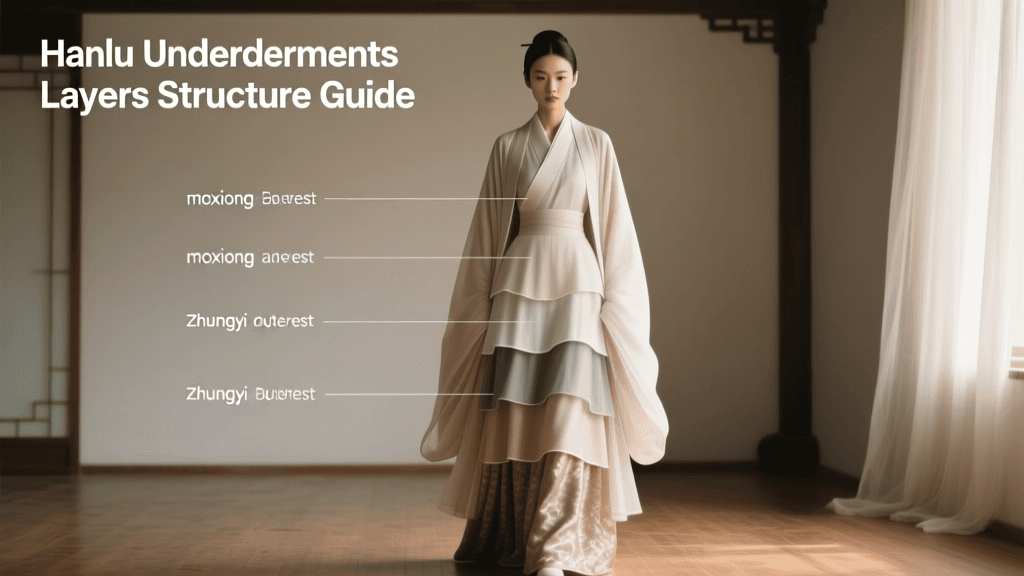
When we admire the flowing silhouettes of traditional Chinese clothing, the eye is naturally drawn to the sweeping sleeves of the Daopao or the intricate pleats of the Mamianqun. However, the true architecture of Hanfu lies beneath the surface. Traditional Chinese dress is not a single garment, but a carefully engineered system of layers designed to provide structural support, protect expensive outer textiles, and adhere to cultural philosophies of modesty and harmony.
Understanding Hanfu undergarments and foundational layers is essential for anyone looking to wear these garments authentically and comfortably. According to Britannica's comprehensive guide to Chinese dress, the layering system in historical Chinese fashion was deeply tied to social status, climate adaptation, and the Confucian ideals of inner virtue reflecting outward appearance. To wear Hanfu correctly today, one must master the inner layers that give the outer robes their distinctive, elegant drape.
The Core Inner Layers: Zhongyi and Zhongku
The foundation of any Hanfu ensemble begins with the Zhongyi (inner top) and Zhongku (inner trousers). These garments act as a barrier between the body and the outer layers, absorbing sweat and preventing the deterioration of delicate outer silks.
Zhongyi (The Inner Top)
The Zhongyi is typically a cross-collared top with narrow or straight sleeves. It is almost always white, off-white, or a neutral tone. The collar of the Zhongyi is designed to peek out slightly from beneath the outer robe's collar, creating a crisp, layered aesthetic that frames the face.
- Collar Alignment: The most critical rule of the Zhongyi is the jiaoling youren (crossed collar, right lapel). The left side of the collar must always cross over the right side and tie at the right waist. Crossing right-over-left is traditionally reserved for the deceased and is considered highly inauspicious.
- Measurements & Fit: A proper Zhongyi should have 2-3 cm of ease in the bust and waist to allow for breathability. The sleeve length should end precisely at the wrist bone so it does not bunch up uncomfortably beneath outer sleeves.
- Fabric: Pure cotton, linen, or cotton-linen blends are ideal. They provide the necessary friction to keep outer silk layers from slipping off the shoulders.
Zhongku (The Inner Trousers)
Before the widespread use of full-length outer skirts, trousers were a staple of the Chinese wardrobe. The Zhongku is a wide-legged, drawstring trouser worn beneath skirts or robes. For modern wearers, a lightweight ramie or cotton Zhongku prevents chafing, provides opacity beneath sheer summer skirts, and allows for ease of movement when sitting or climbing stairs.
Bodice and Support: Moxiong and Baofu
For women's Hanfu, particularly styles from the Tang and Song dynasties, the structural foundation shifts from the cross-collared top to specialized bodices.
Moxiong (The Tube Top/Bodice)
The Moxiong is a sleeveless, wrap-around bodice that secures tightly around the chest and back. It is the essential foundational garment for the Qixiong Shanqun (chest-high skirt). Unlike modern bras that rely on underwire and shoulder straps, the Moxiong provides support through compression and precise wrapping.
Modern reproductions often feature hidden elastic panels or hook-and-eye closures for convenience, but traditionalists prefer the wrap-and-tie method using silk ribbons. When tying a Moxiong, it should sit snugly just above the bust line to support the heavy, pleated skirt that will be tied directly over it.
Baofu (Wrapping Cloths)
Historically, various forms of Baofu (wrapping cloths or binders) were used to smooth the silhouette, particularly in eras where a slender, willowy figure was the aesthetic ideal. Today, modern wearers often substitute historical binders with seamless modern shapewear or bandeau tops to achieve a smooth line beneath thin, unlined summer Hanfu.
Fabric Choices for Foundation Garments
Selecting the right fabric for inner layers is a matter of both comfort and textile preservation. While outer garments often feature the luxurious silks celebrated in UNESCO's recognition of Chinese sericulture and silk craftsmanship, wearing silk against the skin as an undergarment is generally discouraged. Silk absorbs body oils and sweat, which can degrade the fibers and require expensive dry cleaning.
| Garment Layer | Primary Purpose | Ideal Traditional Fabric | Modern Practical Alternative |
|---|---|---|---|
| Zhongyi (Inner Top) | Sweat absorption, collar framing | Washed linen, raw cotton | Bamboo-blend jersey, cotton poplin |
| Zhongku (Trousers) | Mobility, opacity, anti-chafing | Ramie, lightweight cotton | Modal slip shorts, linen blends |
| Moxiong (Bodice) | Bust support, skirt anchoring | Silk-cotton blend, brocade | Smocked elastic cotton, corset-lining |
| Chenqun (Slip Skirt) | Volume, drape, outer skirt protection | Stiffened cotton, organza | Petticoats, A-line cotton slips |
As noted by textile conservators at institutions like the Victoria and Albert Museum's Asian collections, the use of washable, durable inner layers was historically vital to preserving the intricate embroidery and fragile weaves of outer ceremonial robes. This principle remains just as relevant for modern Hanfu enthusiasts investing in high-end, hand-woven outer garments.
Practical Guide: Sizing, Tying, and Daily Wear
Transitioning from modern Western clothing to traditional Hanfu layering requires a shift in how you think about sizing and getting dressed. Allow yourself at least 10 to 15 minutes to properly layer and tie your foundational garments.
Step-by-Step Layering Sequence
- Base Layer: Put on your Zhongku (or modern slip shorts). Ensure the drawstring is tied securely at the natural waist or high hip, depending on the skirt style you plan to wear.
- The Bodice (If applicable): Wrap the Moxiong around your chest. Pull the ties taut to ensure it will not slip down when the heavy outer skirt is attached. Tuck the excess ribbon ends neatly into the top edge.
- The Inner Top: Slip on the Zhongyi. Cross the left collar over the right. Tie the inner ribbons first (usually located on the inside right seam and outside left seam), then tie the outer ribbons at the right hip.
- Collar Adjustment: Look in a mirror and adjust the back of the neck. The Zhongyi collar should sit flush against the nape of the neck, pulling the front lapels into a sharp, clean 'Y' shape.
Sizing Tips for E-Commerce Shoppers
When ordering Hanfu undergarments online, standard S/M/L sizing is notoriously unreliable due to the wrap-around nature of the garments. Always rely on exact centimeter measurements.
- Bust/Chest: Measure around the fullest part. Add 2 cm for the Zhongyi ease.
- High Waist: Measure just below the ribcage. This is crucial for Moxiong sizing and Tang-dynasty skirt placement.
- Arm Span: For Zhongyi with extended sleeves, measure from wrist to wrist with arms outstretched to ensure the inner sleeves won't restrict your movement.
Modern Hacks for the Contemporary Wardrobe
Not everyone has the budget or storage space for a complete set of traditional linen undergarments. Fortunately, the Hanfu revival movement has birthed several practical modern alternatives that maintain the structural integrity of the outfit without sacrificing comfort.
- The U-Neck Camisole: For cross-collared outer robes, a tightly fitted, U-neck or V-neck cotton camisole can replace the Zhongyi in high-heat summer weather, provided the outer robe's collar is opaque enough to hide the modern straps.
- Bike Shorts: A pair of lightweight, mid-thigh bike shorts is the modern equivalent of the Zhongku, offering excellent anti-chafing properties beneath flowing, unlined Ming-dynasty skirts.
- Corset Belts: To achieve the structured, upright posture associated with Song-dynasty Beizi (long outer coats), some modern wearers use soft, elasticated corset belts beneath the outer sash to provide lumbar support and keep the heavy fabric layers lying flat against the body.
Preserving the Silhouette
The ultimate goal of Hanfu undergarments is to create a harmonious silhouette. The inner layers dictate how the outer fabric falls. A stiff linen Zhongyi will give a thin silk robe a more structured, formal appearance, while a soft bamboo-blend inner top will allow the outer robe to drape fluidly, creating a romantic, scholarly aesthetic.
Mastering the foundational layers of Hanfu is a journey into the material culture of ancient China. It teaches patience, attention to detail, and a deep respect for the garments. By investing time in understanding and properly wearing the Zhongyi, Moxiong, and Zhongku, you do more than just put on clothes; you participate in a living tradition that values the hidden, structural beauty that supports the visible world.