Traditional Chinese Footwear 2026: Cloud Shoes & Boots Guide
The Renaissance of Traditional Chinese Footwear in 2026
The global fashion landscape of 2026 has seen an unprecedented surge in the Xin Zhongshi (New Chinese Style) movement, bringing centuries-old sartorial traditions into everyday modern wardrobes. While flowing Hanfu and structured Mamianqun (horse-face skirts) have dominated headlines, the foundation of these outfits—traditional Chinese footwear—is experiencing its own renaissance. No longer confined to museum displays or theatrical stages, authentic styles like Yun Tou Xie (cloud shoes) and Xue Zi (traditional boots) are being reimagined by contemporary artisans who blend historical accuracy with modern ergonomic needs.
Whether you are a dedicated Hanfu enthusiast, a collector of Asian textile arts, or simply someone looking to incorporate sustainable, handcrafted footwear into your daily rotation, understanding the nuances of these garments is essential. In this comprehensive 2026 guide, we explore the construction, styling, and purchasing considerations for traditional Chinese footwear, ensuring you step forward with both cultural respect and modern comfort.
Yun Tou Xie: The Elegance and Engineering of Cloud Shoes
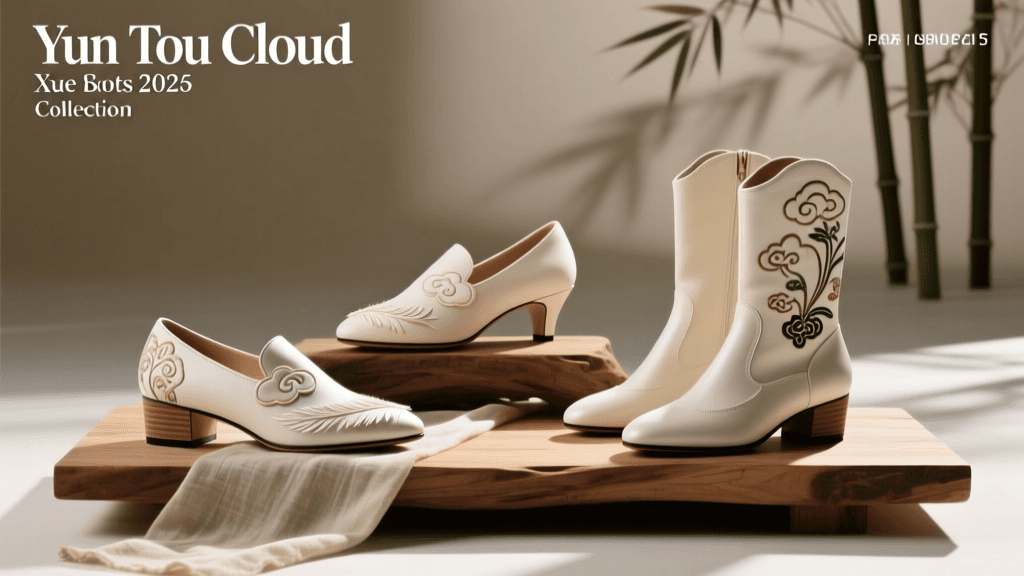
The Yun Tou Xie, literally translating to 'cloud head shoes,' is perhaps the most iconic silhouette in Han Chinese footwear history. Characterized by their distinctive upturned toe caps that resemble swirling clouds or ruyi scepters, these shoes were historically worn by both men and women across various dynasties, reaching peak artistry during the Ming and Qing periods. According to the Victoria and Albert Museum's Chinese Collections, the embroidery and silk-weaving techniques utilized in these garments represent some of the finest textile craftsmanship in Asian history.
The 'Thousand-Layer' Sole
The true marvel of the traditional cloud shoe lies beneath the foot. The qian ceng di, or 'thousand-layer sole,' is constructed by stacking dozens of layers of cotton cloth, which are then painstakingly stitched together using thick hemp or cotton thread. This technique creates a sole that is remarkably durable, naturally breathable, and capable of molding to the wearer's foot over time. In 2026, premium artisanal workshops in Beijing and Suzhou are utilizing organic, unbleached cotton for these soles, appealing to eco-conscious consumers while maintaining historical integrity.
Modern Materials and Pricing
While traditional mulberry silk and velvet remain popular for the uppers, 2026 has introduced innovative, cruelty-free vegan silks and upcycled Song brocade fabrics into the market. A handcrafted pair of authentic Yun Tou Xie with a genuine thousand-layer sole typically ranges from $140 to $320 USD, depending on the complexity of the hand-embroidery. Machine-assisted replicas can be found for $45 to $80, though they lack the structural longevity and cultural authenticity of the hand-stitched originals.
Xue Zi: Traditional Boots for the Modern Winter
While cloud shoes are ideal for spring and autumn, the Xue Zi (traditional boots) are the undisputed champions of winter wear. Originating largely from northern nomadic influences and heavily integrated into Manchu and Han wardrobes during the Qing Dynasty, these boots were designed to protect against harsh winds and snow. The Metropolitan Museum of Art's Heilbrunn Timeline notes that Qing dynasty court and daily wear heavily featured elaborately decorated boots, signifying rank, gender, and seasonal appropriateness.
Square vs. Round Toe Profiles
Historically, Xue Zi featured either a square toe (often associated with formal or court attire) or a rounded, slightly upturned toe (for daily wear and equestrian activities). In 2026, the rounded toe profile is vastly more popular for everyday Xin Zhongshi styling, as it pairs more naturally with modern wide-leg trousers and winter coats.
Contemporary Winter Adaptations
Modern artisans have addressed the primary historical flaw of traditional cloth boots—their lack of water resistance. The best 2026 iterations of Xue Zi feature uppers made from treated Xiangyunsha (gambiered Canton gauze) or water-resistant velvet, lined with ethically sourced shearling or modern thermal fleece. Furthermore, the traditional flat cloth sole is often reinforced with a hidden, thin layer of vulcanized rubber to provide grip on icy urban sidewalks without disrupting the historical aesthetic.
Beyond Clouds and Boots: Mang Xie and Historical Curiosities
The realm of Chinese footwear extends beyond silk and velvet. For practitioners of traditional martial arts and Tai Chi, the Mang Xie (straw sandals) remain a vital piece of functional gear. Woven from hemp or specialized rice straw, these sandals offer unparalleled ground feel and grip on wooden training floors. While not suitable for street wear, they are an essential purchase for serious martial arts students in 2026, typically costing between $20 and $40.
Conversely, the infamous 'lotus shoes'—created for the bound feet of women in feudal China—are strictly historical artifacts. Reputable cultural institutions and modern Hanfu advocates strongly discourage the reproduction or wearing of lotus shoes, as they are inextricably linked to a painful and oppressive historical practice. Today, they are preserved solely in museum archives as educational tools regarding the evolution of women's history and bodily autonomy in Asia.
2026 Buyer’s Comparison Chart
To help you navigate the market, we have compiled a comparison of the most prominent traditional footwear styles available this year.
| Footwear Style | Primary Materials (2026) | Best Season | Avg. Price (USD) | Ideal Modern Pairing |
|---|---|---|---|---|
| Yun Tou Xie (Cloud Shoes) | Silk, Song Brocade, Cotton Soles | Spring / Autumn | $140 - $320 | Mamianqun, Flowing Hanfu |
| Xue Zi (Winter Boots) | Velvet, Xiangyunsha, Shearling | Winter | $180 - $400 | Xin Zhongshi Coats, Wide Trousers |
| Gong Xie (Court Flats) | Satin, Embroidered Cotton | Summer / Indoor | $90 - $150 | Qipao, Modern Tea Dresses |
| Mang Xie (Straw Sandals) | Hemp, Woven Rice Straw | Summer / Indoor | $20 - $40 | Martial Arts Uniforms, Loungewear |
Sizing, Fit, and Orthotic Adaptations
One of the most common hurdles for international buyers in 2026 is navigating traditional Chinese sizing. Unlike Western footwear, traditional cloth shoes were historically made on straight lasts (meaning no distinction between left and right foot) and lacked arch support. While modern 2026 productions feature anatomical left/right lasts, the silhouette remains relatively narrow and flat.
- Sizing Conversion: Most artisanal brands use standard Chinese sizing (measured in millimeters or European equivalents). A US Women's 7 is typically a CN 235 or EU 37. Always consult the specific brand's millimeter chart.
- The Half-Size Rule: Because traditional thousand-layer soles are dense and lack modern EVA foam cushioning, it is highly recommended to order a half-size up. This provides enough volume to insert a slim, modern orthotic arch support, which is crucial if you plan to walk on hard concrete surfaces.
- Break-in Period: Authentic cotton soles require a two-week break-in period to absorb ambient moisture and soften. Do not judge the comfort of a cloud shoe on the first day of wear.
Styling Traditional Footwear with Xin Zhongshi Fashion
The beauty of the 2026 Xin Zhongshi movement is its emphasis on juxtaposition. You do not need to wear a full, historically accurate Hanfu ensemble to appreciate traditional footwear. Cloud shoes look exceptionally striking when paired with modern, tailored wide-leg wool trousers and a structured mandarin-collar blazer. The upturned toe adds a subtle, elegant curve that breaks the sharp, linear geometry of modern tailoring.
For winter, Xue Zi boots are the perfect anchor for oversized, minimalist knitwear and long, sweeping duster coats. Opt for boots in deep, muted tones like obsidian black, plum, or midnight blue to maintain a sophisticated, contemporary silhouette while honoring traditional dyeing techniques.
Care, Maintenance, and Archival Storage
Investing in handcrafted silk and cotton footwear requires a commitment to proper maintenance. Traditional materials are highly susceptible to water damage and UV fading.
Expert Tip: Never machine wash a thousand-layer sole. The agitation and prolonged water exposure will cause the tightly wound cotton threads to unravel and the layers to separate, destroying the structural integrity of the shoe.
- Cleaning Silk Uppers: Use a dry, soft-bristled brush (like a horsehair shoe brush) to gently remove dust. For localized stains, use a barely damp microfiber cloth with a pH-neutral silk detergent, dabbing gently without rubbing.
- Sole Maintenance: If the cotton soles become damp, allow them to air dry at room temperature away from direct sunlight or radiators. Once dry, brush the sole to restore the cotton fibers.
- Storage: Store your footwear in a cool, dark environment. Insert unvarnished cedar shoe trees to maintain the shape of the toe box and absorb lingering moisture. For long-term archival storage, wrap the shoes in acid-free tissue paper and place them in a breathable cotton dust bag to prevent the silk from becoming brittle.
By understanding the rich history and modern adaptations of these extraordinary garments, you can confidently integrate traditional Chinese footwear into your 2026 wardrobe, celebrating Asian traditions with every step you take.