Kimono Travel Essentials 2026: Packing Guide & Best Spots
The Renaissance of Kimono Travel in 2026
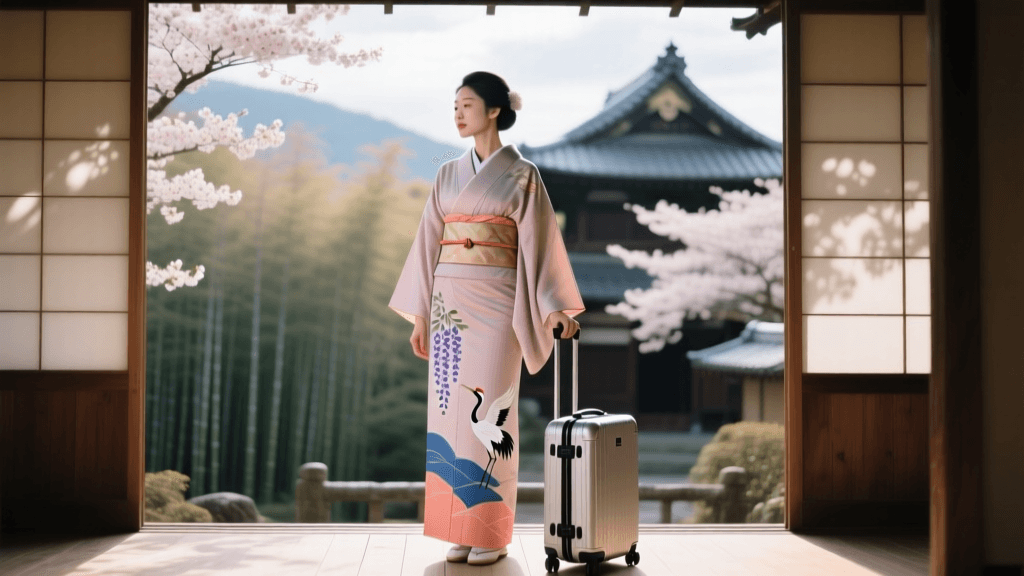
Traveling to Japan in 2026 offers an unparalleled opportunity to immerse yourself in the living culture of traditional garments. While renting a kimono at a local shop remains a popular choice for casual tourists, a growing movement of international enthusiasts and cultural ambassadors are choosing to pack their own carefully curated wardrobes. Bringing your own kimono allows for complete creative control over your silhouette, ensures access to high-quality vintage silks, and guarantees a perfect fit that rental shops often struggle to provide for diverse body types.
However, traveling with a kimono requires meticulous planning. Unlike Western clothing, a kimono is not a single garment but a complex system of layers, ties, and accessories. Forgetting a single component, such as an obi-ita (obi board) or a koshihimo (hip tie), can render the entire outfit unwearable. According to the Japan National Tourism Organization, cultural tourism has surged in 2026, with travelers seeking deeper, more authentic engagements with local heritage. This guide will walk you through the ultimate packing checklist, seasonal weather adaptations, and the most respectful and photogenic destinations to wear your kimono this year.
The Ultimate Kimono Packing Checklist
Before you zip your suitcase, you must ensure you have every component required to dress yourself (or have a friend dress you) properly. The modern traveler in 2026 has access to innovative, travel-friendly accessories, such as magnetic obijime clasps and wrinkle-resistant synthetic juban, which make packing significantly easier.
| Item | Japanese Name | Purpose | 2026 Packing Tip |
|---|---|---|---|
| Hip Ties | Koshihimo (3-4) | Secures the kimono length and holds the obi in place. | Pack stretchy, modern silicone or elastic koshihimo to save space and prevent slipping during long travel days. |
| Under-sash | Datejime (1-2) | Flattens the chest and secures the juban and kimono collar. | Opt for velcro-closure elastic datejime. They are compact and eliminate the need for complex tying. |
| Obi Board | Obi-ita (1) | Inserted into the obi to prevent wrinkling and maintain a smooth front. | Bring a flexible, roll-up mesh obi-ita that can be tucked into a shoe or the side of your luggage. |
| Undergarment | Juban (1) | Protects the outer silk kimono from sweat and oils; provides the collar layer. | Pack a washable, synthetic ro (summer mesh) or cotton-blend juban. Bring a separate han-eri (collar cover). |
| Split-Toe Socks | Tabi (2 pairs) | Traditional footwear worn with zori or geta. | Pack stretch-knit tabi rather than stiff cotton. They fold flat, resist wrinkles, and are more comfortable for walking. |
| Sandals | Zori (1 pair) | Formal or semi-formal footwear. | Bring vinyl or enameled zori. They are waterproof, easy to wipe clean, and handle sudden 2026 summer downpours well. |
| Obi Scarf | Obi-age (1) | Covers the obi-makura (pillow) and adds a pop of color at the top of the obi. | Roll tightly and stuff inside your zori or shoes to save space and maintain the silk's shape. |
| Obi Cord | Obijime (1) | Decorative cord tied over the center of the obi to secure the knot. | Use a modern obijime with a hidden magnetic clasp. It prevents the cord from coming undone while navigating crowded trains. |
Weather Adaptations: Dressing for Japan's Seasons
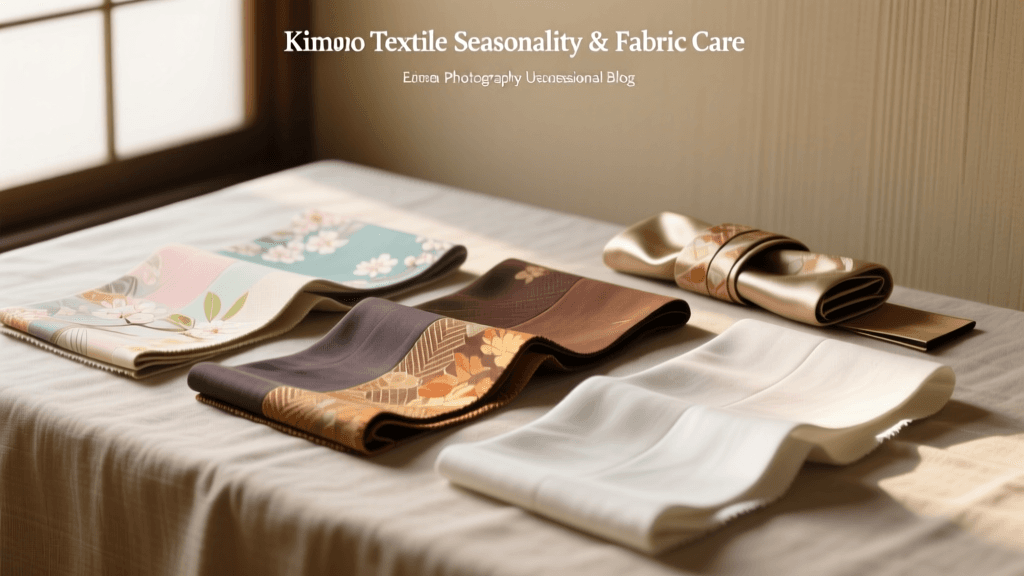
Japan's climate is highly seasonal, and traditional dress strictly follows the calendar. Wearing a heavy winter silk in the humid height of summer is not only culturally inaccurate but physically dangerous due to heat exhaustion. Conversely, wearing a sheer summer garment in the crisp autumn wind will leave you shivering. Here is how to adapt your kimono wardrobe for travel in 2026.
Spring and Autumn: The Silk Sweet Spots
Spring (March to May) and Autumn (October to November) are the most popular times for kimono travel. These seasons call for awase (lined) silk kimonos. The weather is generally mild, but mornings and evenings can be chilly. Pack a lightweight haori (kimono jacket) or a woven silk shawl. In 2026, many travelers are layering modern thermal undershirts (like Uniqlo's Heattech) beneath their cotton juban during late autumn trips to Kyoto, a practical hack that maintains the traditional silhouette while providing essential warmth.
Summer: Surviving the Humidity
Japanese summers are notoriously hot and humid. From June through August, you must transition to unlined garments. Pack hitoe (unlined silk) for early June, and sheer ro or sha (woven gauze) silks for July and August. For casual daytime sightseeing, a high-quality cotton or linen yukata is the most practical choice. Pair your summer kimono with a breathable bamboo obi-ita and a straw geta sandal to elevate your feet from the hot pavement.
Winter: Elegance in the Cold
Winter travel (December to February) requires heavy, insulated garments. Wool kimonos are an excellent, travel-friendly choice for winter, as they are naturally wrinkle-resistant and incredibly warm. You must also pack a kimono coat (michiyuki) and a plush velvet or wool shawl to wrap around your shoulders. The Victoria and Albert Museum notes that historical winter layering involved multiple padded undergarments; today, modern travelers achieve this warmth through discreet, high-tech thermal layering beneath a beautifully patterned wool or heavy silk outer garment.
Where to Wear Your Kimono: Top 2026 Destinations
Choosing the right location is just as important as choosing the right garment. While some tourist hubs have become overwhelmingly crowded, Japan offers countless stunning backdrops for traditional dress. The Kyoto City Tourism Association has recently updated guidelines to balance tourism with local life, making it crucial to know where you are welcome to stroll and photograph.
Kyoto: Navigating the Cultural Capital
Kyoto remains the undisputed heart of kimono culture. However, in 2026, strict etiquette rules are enforced in the Gion and Higashiyama districts. Private alleyways and residential streets are strictly off-limits for photography to protect the privacy of local residents and working geiko. Instead, wear your kimono to public, spacious locations like the sprawling grounds of Shoren-in Temple, the bamboo-lined paths of the Arashiyama periphery (avoiding the main crowded thoroughfare), or the serene gardens of Daikaku-ji. These locations offer breathtaking backdrops without the stress of navigating dense pedestrian traffic in restrictive footwear.
Kanazawa: The Hidden Gem of the Sea of Japan
Often called 'Little Kyoto,' Kanazawa is a premier destination for kimono enthusiasts seeking a more relaxed atmosphere. The Higashi Chaya district is beautifully preserved and highly accommodating to visitors in traditional dress. Furthermore, the adjacent Kenrokuen Garden—one of Japan's three great landscape gardens—provides spectacular seasonal vistas, from winter snow ropes (yukitsuri) to vibrant autumn maples, making it an ideal canvas for your travel photography.
Tokyo: Shitamachi Charm in Yanaka
If your travels keep you in the capital, skip the neon-lit streets of Shibuya and head to Yanaka. This historic shitamachi (downtown) neighborhood survived the wartime bombings and retains a nostalgic, mid-century charm. Strolling through the Yanaka Cemetery during cherry blossom season or visiting the historic Nezu Shrine in a beautifully coordinated kimono offers a glimpse into the slower, more traditional pace of Tokyo life that has largely vanished from the city center.
Garment Care and Cultural Etiquette on the Road
Traveling with silk requires a proactive approach to garment care. Hotel rooms in Japan are often compact, lacking the large flat surfaces needed to fold a kimono properly. Always pack a portable, handheld garment steamer. Silk responds beautifully to steam, and a quick pass over the sleeves and hem at the end of the day will release the wrinkles accumulated from sitting on trains or in cafes. Never use a traditional iron on silk, as the direct heat can scorch the delicate fibers and ruin the metallic threads often found in vintage obi.
When folding your kimono for storage, use the traditional tato-shi (flat folding) method, which aligns the seams and prevents permanent creases. Place folded sheets of acid-free tissue paper between the layers to protect the silk from moisture and friction. If you are traveling between cities on the Shinkansen, keep your kimono in a dedicated, water-resistant garment bag rather than checking it with your main luggage.
A Note on Etiquette: When wearing a kimono in Japan, remember that you are participating in a living tradition. Keep your collar crossed correctly (left over right), ensure your hemline is level and does not drag on the dirty pavement, and be mindful of your surroundings. By packing thoughtfully and dressing respectfully, you honor the artisans who crafted your garments and the culture that continues to sustain them.
Whether you are coordinating a vintage Meiji-era silk haori with a modern taisho-roman aesthetic, or keeping it simple in a crisp summer yukata, preparing your kimono travel wardrobe in 2026 is an act of cultural appreciation. With the right accessories, weather-appropriate fabrics, and a mindful approach to your destinations, your journey through Japan will be as elegant as it is unforgettable.