Traditional Chinese Footwear 2026: Cloud Shoes & Boots
The Renaissance of Xin Zhongshi Footwear in 2026
As the global fashion landscape evolves, the Xin Zhongshi (New Chinese Style) movement has firmly transitioned from a niche subculture into a dominant force in 2026 everyday wardrobes. While much of the spotlight has historically fallen on garments like the mamianqun (horse-face skirt) and modified qipao, the foundation of any authentic traditional outfit lies in its footwear. Traditional Chinese footwear—ranging from the elegant Yun Tou Xie (cloud shoes) to the structured Xue (boots)—is experiencing a massive renaissance, blending centuries-old craftsmanship with modern ergonomic innovations.
In 2026, wearing traditional Chinese shoes is no longer reserved for historical reenactments or festive holidays. Contemporary artisans and luxury fashion houses have re-engineered these historical silhouettes to meet the demands of modern urban commuting, integrating memory foam insoles, durable vegan leather outsoles, and weather-resistant silk blends. Whether you are looking to complete a full Hanfu ensemble or simply add a touch of heritage elegance to a modern minimalist outfit, understanding the nuances of traditional Chinese footwear is essential.
Yun Tou Xie (Cloud Shoes): Anatomy and Modern Evolution
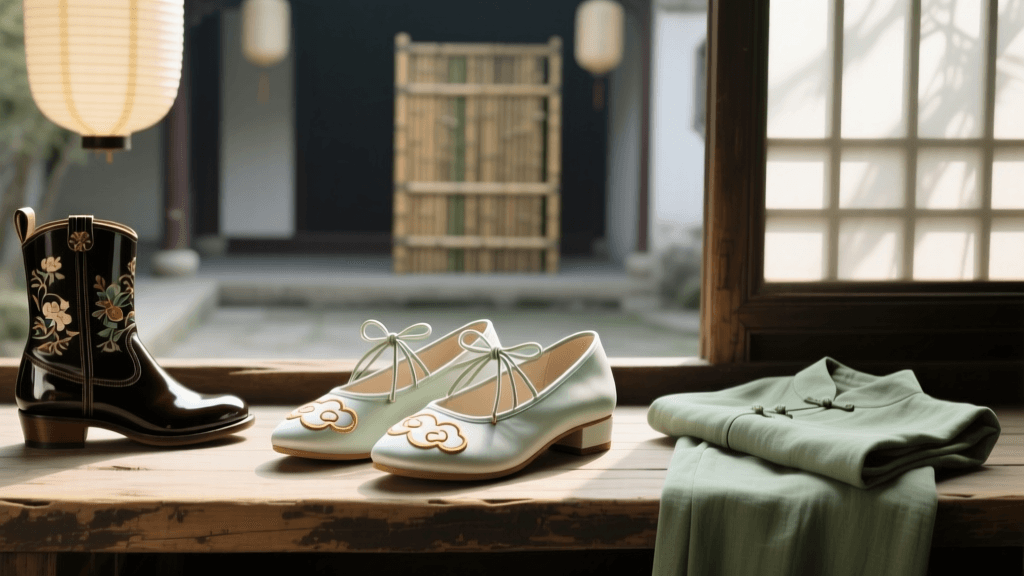
The Yun Tou Xie, characterized by its distinctive upturned toe box resembling a stylized cloud, is perhaps the most iconic silhouette in Han Chinese footwear history. Historically, the upward curve was not merely aesthetic; it served a practical purpose by preventing the hem of long, flowing robes from catching under the wearer's feet. Furthermore, the cloud motif is deeply rooted in Chinese cosmology, symbolizing good fortune, celestial connection, and upward mobility.
According to the Metropolitan Museum of Art's digital archives, historical cloud shoes were often constructed with layered cotton soles, stitched tightly together with hemp thread to create a firm, flat base. However, the 2026 iterations of the Yun Tou Xie have seen remarkable technological upgrades. Modern artisans are now utilizing 3D-woven brocade and recycled silk threads to create uppers that are both breathable and structurally sound. Beneath the surface, the traditional flat, rigid sole has been replaced with contoured arch supports and shock-absorbing EVA foam, allowing wearers to navigate concrete city streets without the foot fatigue associated with antique designs.
Styling Cloud Shoes in 2026
The beauty of the modern cloud shoe lies in its versatility. In 2026, fashion stylists recommend pairing low-vamp, embroidered cloud shoes with wide-leg linen trousers or a tailored, ankle-length mamianqun. For a more avant-garde Xin Zhongshi look, contrast a heavily embroidered, jewel-toned cloud shoe with a monochromatic, modern slip dress or an oversized structured blazer. The key is to let the footwear act as the focal point of the outfit, balancing historical opulence with contemporary minimalism.
Xue (Traditional Boots): From Equestrian Roots to Urban Streets
While cloud shoes dominate the Han Chinese footwear narrative, the Xue (boot) represents a fascinating convergence of nomadic, Manchu, and Han influences. Originally designed for equestrian activities and harsh northern climates, traditional boots were characterized by their thick soles, high shafts, and upturned toes. During the Qing Dynasty, Manchu women famously wore Hua Pen Di (flowerpot shoes), which featured a high, central platform that altered the wearer's gait to mimic the swaying of a willow branch.
In 2026, the extreme platform styles have largely been relegated to theatrical performances and highly specific ceremonial wear. Instead, the modern revival focuses on the flat-soled, ankle-height embroidered boots. Crafted from supple leather or heavy cotton canvas, these boots feature intricate embroidery along the shaft—often depicting plum blossoms, bamboo, or cranes. The Victoria and Albert Museum's Asian textile collections highlight how historical boot embroidery was a primary indicator of social status and regional identity, a tradition that modern indie designers are preserving by collaborating with rural embroidery cooperatives in Guizhou and Suzhou.
Integrating Boots into Modern Wardrobes
Traditional ankle boots are exceptionally practical for autumn and winter styling. In 2026, they are frequently paired with cropped, straight-leg denim or heavy wool skirts. The upturned toe of the Xue provides a distinct silhouette that breaks away from the ubiquitous pointed or rounded toes of Western footwear trends, offering a unique architectural element to any winter ensemble.
2026 Buyer’s Guide: Top Brands and Artisan Studios
The market for traditional Chinese footwear has diversified significantly. Consumers in 2026 can choose from high-end luxury houses, specialized heritage brands, and accessible independent studios. Below is a comprehensive comparison of the top sources for authentic and modernized traditional footwear.
| Brand / Studio Type | Signature Style | Materials Used (2026) | Price Range (USD) | Best For |
|---|---|---|---|---|
| Sheme (Luxury) | Haute Couture Cloud Shoes & Boots | Silk satin, 24k gold thread, python leather | $650 - $1,800 | Red carpet, luxury collectors, bridal |
| Ne Tiger (Heritage) | Ceremonial & Formal Xue Boots | Heavy brocade, hand-dyed velvet, wood soles | $400 - $950 | Formal events, cultural exhibitions |
| Suzhou Indie Studios | Daily Wear Yun Tou Xie | Cotton-linen blends, vegan suede, memory foam | $85 - $180 | Everyday Xin Zhongshi styling, commuting |
| Mass Market Taobao Brands | Cosplay & Entry-level Hanfu Shoes | Synthetic silk, rubber outsoles, foam insoles | $30 - $70 | Budget buyers, festival wear, beginners |
Sizing, Fit, and Ergonomics
One of the most common challenges for international buyers in 2026 is navigating the sizing conventions of traditional Chinese footwear. Unlike Western shoes, which often feature generous toe boxes and varied width options, traditional cloth shoes were historically designed to hug the foot closely to maintain a sleek, elegant profile.
- Measurement in Centimeters: Most artisan studios size their shoes in millimeters or centimeters (e.g., 235, 240, 245). It is crucial to measure your foot length from heel to the longest toe while standing, and add 0.5 cm for comfort.
- The Narrow Toe Box Dilemma: Because the Yun Tou Xie features an upturned, often tapered toe, individuals with wide feet or bunions may experience discomfort. In 2026, many premium brands offer a 'wide-fit' (宽版) option specifically engineered for global markets. Always look for this designation if you have a wider foot profile.
- Orthotic Adjustments: If purchasing from a traditional studio that still uses flat, multi-layered cloth soles, consider purchasing a half-size up to accommodate a modern silicone arch-support insole. This simple adjustment bridges the gap between historical aesthetics and modern podiatric health.
The Symbolism of Embroidered Motifs
When selecting traditional footwear, the embroidery is never arbitrary. The British Museum's Department of Asia notes that historical garments and accessories served as visual communication, broadcasting the wearer's wishes, status, and virtues. In 2026, this symbolic language remains vibrant:
- Peonies: Representing wealth, honor, and prosperity. Often chosen for bridal shoes or New Year celebrations.
- Lotus Flowers: Symbolizing purity, resilience, and spiritual enlightenment, as the lotus blooms immaculately from muddy waters.
- Bats (Fu): A homophone for 'good fortune.' Five bats embroidered around the toe box represent the 'Five Blessings' (longevity, wealth, health, love of virtue, and a peaceful death).
- Magpies and Plum Blossoms: Denoting joy and the arrival of spring, making them a popular choice for everyday, optimistic styling.
Care, Maintenance, and Storage
Investing in high-quality traditional footwear requires a commitment to proper maintenance, especially when dealing with delicate materials like silk and metallic embroidery threads. The 2026 standards for garment care emphasize preventive conservation.
Cleaning Protocols
Never machine wash or submerge embroidered silk shoes in water. For surface dust, use a soft-bristled horsehair brush, moving gently in the direction of the embroidery threads to prevent snagging. For localized stains on cotton or linen blends, use a slightly damp microfiber cloth with a pH-neutral textile cleaner. Metallic threads (especially those containing real gold or silver leaf) should never be exposed to liquid cleaners, as this will cause rapid oxidation and tarnishing.
Storage and Climate Control
Humidity is the natural enemy of traditional cloth-soled shoes, which can harbor mold if stored in damp environments. Insert untreated cedar shoe trees into your Yun Tou Xie immediately after wearing them; the cedar will absorb ambient moisture and help the upturned toe retain its structural shape. Store your footwear in breathable cotton dust bags—never plastic, which traps moisture and accelerates the degradation of natural silk proteins. If you live in a high-humidity climate, consider keeping your most valuable pairs in a climate-controlled wardrobe with silica gel desiccant packets.
Conclusion
The landscape of traditional Chinese footwear in 2026 is a testament to the enduring appeal of cultural heritage when thoughtfully adapted for modern life. Whether you are stepping out in a pair of meticulously embroidered Yun Tou Xie or grounding your winter wardrobe with a pair of structured Xue boots, you are participating in a living tradition. By understanding the historical context, choosing the right artisan brands, and committing to proper care, you can seamlessly integrate these masterpieces of Asian sartorial history into your contemporary lifestyle, ensuring that every step you take is rooted in elegance and cultural pride.