Japanese Milestone Kimonos 2026: Shichi-Go-San to Kanreki
The Evolution of Japanese Milestone Garments in 2026
Japanese culture places profound significance on the passage of time, marking life’s most critical transitions with specific garments, colors, and motifs. From a child’s first shrine visit to a senior’s sixtieth birthday, the kimono serves as a wearable timeline of personal and cultural growth. As we navigate 2026, the intersection of heritage preservation and modern sustainable fashion has reshaped how families approach these milestone garments. Today, families are increasingly opting for high-quality vintage restorations, eco-friendly silk blends, and specialized rental services that offer authentic experiences without the burden of long-term storage.
According to the Japan National Tourism Organization (JNTO), traditional cultural experiences remain a cornerstone of Japanese domestic tourism and local community life. Understanding the precise requirements for each life stage is essential for anyone looking to participate in these deeply rooted customs. This comprehensive guide explores the specific kimono styles, symbolic motifs, and 2026 market costs associated with Japan’s most important age milestones.
Shichi-Go-San: Celebrating Ages Three, Five, and Seven
Held annually on November 15th, Shichi-Go-San (Seven-Five-Three) is a rite of passage for young children. The festival celebrates the growth and well-being of three- and seven-year-old girls, and three- and five-year-old boys. In 2026, parents are prioritizing comfort and mobility, leading to a surge in demand for lightweight, antimicrobial undergarments and washable silk-blend outer layers.
Age Three: The Hifu Vest
At age three, both boys and girls traditionally wear a standard kimono layered with a hifu—a padded, sleeveless silk vest. For girls, the hifu is often brightly colored and adorned with floral embroidery, while boys wear darker, more subdued tones. The outfit is completed with zori sandals and white tabi socks. In 2026, rental shops in Tokyo and Kyoto report that magnetic closures on modern hifu vests have drastically reduced dressing time and child fatigue.
Age Five: The First Hakama
Five-year-old boys transition to wearing their first hakama (pleated trousers) and haori (jacket). The garments are typically decorated with auspicious motifs such as eagles, pine trees, and kabuto (samurai helmets), symbolizing strength, longevity, and bravery. The haori is secured with a white haori himo (cord). Modern 2026 collections often feature subtle metallic threading that catches the light during outdoor shrine photography.
Age Seven: The First Obi
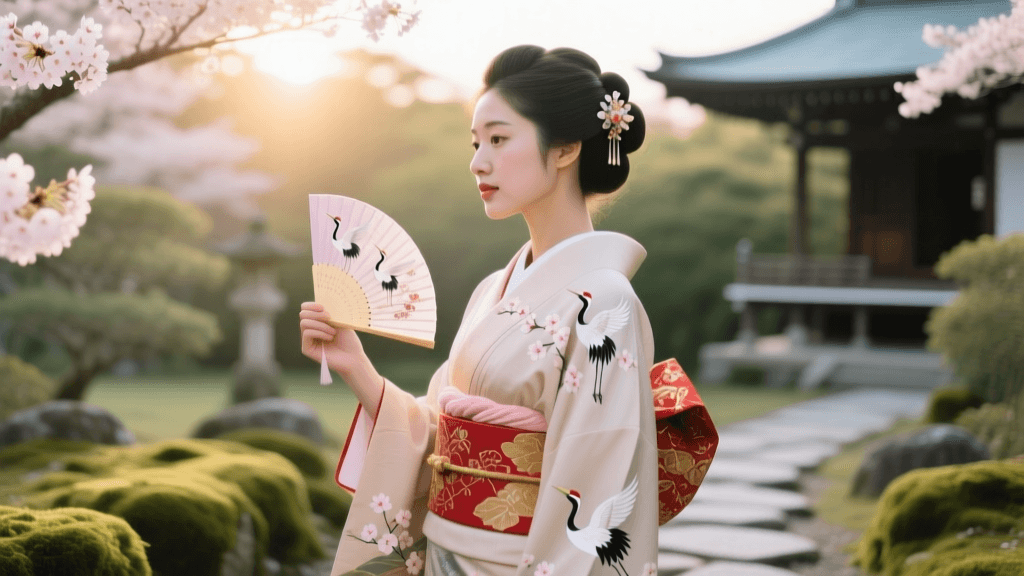
Seven-year-old girls graduate from using simple cords (himo) to tie their kimonos, and instead wear their first formal obi sash. They typically wear a yuzen-dyed silk kimono featuring vibrant motifs like peonies, cherry blossoms, and cranes. The obi is tied in a decorative knot, often resembling a butterfly or a flower. Because tying a formal obi requires professional kitsuke (dressing) skills, most families in 2026 book salon appointments weeks in advance.
Seijin-shiki: The Coming of Age Ceremony at Twenty
Seijin no Hi (Coming of Age Day) occurs on the second Monday of January, celebrating those who have reached the age of majority. This is arguably the most visually spectacular milestone in Japanese fashion, characterized by the breathtaking elegance of the furisode.
The Furisode: Swinging Sleeves of Youth
The furisode is the most formal kimono for unmarried women, instantly recognizable by its long, flowing sleeves. According to the Victoria and Albert Museum's Asian Collections, the length of the sleeve historically correlated with the depth of emotion and the formality of the occasion. In 2026, there are three primary sleeve lengths available:
- Kofurisode (Short Sleeves): Measuring approximately 85 centimeters, this is the lightest and most practical option, often chosen for outdoor winter photoshoots.
- Chufurisode (Medium Sleeves): Measuring around 100 centimeters, this is the most popular and versatile choice for the actual ceremony.
- Ohfurisode (Long Sleeves): Measuring 114 centimeters or more, this ultra-formal style trails slightly and is typically reserved for brides or high-end fashion editorials.
The 2026 trend for Seijin-shiki heavily favors the Taisho-Roman revival aesthetic. Young women are selecting deep jewel tones—emerald greens, sapphire blues, and rich burgundies—paired with bold, geometric Art Deco patterns and vintage-inspired shibori (tie-dye) techniques. The obi is usually a heavy fukuro obi tied in an elaborate fukura-suzume (puffed sparrow) or tateya (standing arrow) knot.
Men’s Montsuki Haori Hakama
While many young men opt for Western suits in 2026, those who choose traditional attire wear the montsuki haori hakama. This consists of a black silk kimono bearing five family crests (kamon), a matching haori jacket, and striped silk hakama. Contemporary interpretations include subtle geometric edo komon patterns on the hakama and custom-embroidered crests that reflect personal achievements rather than strict lineage.
Kanreki: The Sixtieth Birthday Celebration
The sixtieth birthday, or Kanreki, marks the completion of the traditional sexagenary calendar cycle and the beginning of a new life phase. Historically, the celebrant wears a red chanchanko (a sleeveless padded vest) and an eboshi (a traditional hat), symbolizing a return to the innocence of infancy. The color red is believed to ward off evil spirits and bring vitality.
In 2026, the full traditional chanchanko is often viewed as overly theatrical by modern seniors. Instead, the milestone is celebrated through sophisticated crimson accents. Women might wear an elegant tsukesage or houmongi kimono in deep reds or coral, featuring motifs of pine and plum blossoms to signify endurance and resilience. Men often incorporate a red haori himo or a crimson silk lining inside a dark, formal haori, allowing for a subtle, stylish nod to the tradition without compromising their everyday aesthetic.
2026 Milestone Kimono Cost and Booking Guide
Navigating the financial and logistical aspects of milestone garments requires careful planning. The table below outlines the average costs and booking timelines for 2026, reflecting current market rates in major metropolitan areas like Tokyo, Kyoto, and Osaka.
| Milestone | Primary Garment | 2026 Purchase Avg (USD) | 2026 Rental Avg (USD) | Booking Lead Time |
|---|---|---|---|---|
| Shichi-Go-San (Age 3) | Hifu Vest Set | $450 - $800 | $120 - $180 | 1 - 2 Months |
| Shichi-Go-San (Age 5) | Hakama & Haori | $600 - $1,200 | $150 - $250 | 1 - 2 Months |
| Shichi-Go-San (Age 7) | Yuzen Kimono & Obi | $1,500 - $3,500 | $200 - $350 | 2 - 3 Months |
| Seijin-shiki (Women) | Chufurisode Set | $2,500 - $8,000+ | $350 - $700 | 4 - 6 Months |
| Seijin-shiki (Men) | Montsuki Hakama | $1,200 - $3,000 | $250 - $450 | 2 - 3 Months |
| Kanreki (Age 60) | Tsukesage / Haori | $1,800 - $4,500 | $200 - $400 | 1 - 2 Months |
Note: Rental packages in 2026 typically include the kimono, obi, undergarments, zori sandals, and professional dressing services at the salon. Purchased garments require separate investments in accessories and maintenance.
Practical Advice for Kitsuke and Preservation
Wearing a kimono correctly, known as kitsuke, is an art form that requires specific undergarments and precise measurements. For milestone events, professional dressers are highly recommended, especially for the complex obi knots required for Seijin-shiki and Shichi-Go-San.
Essential Undergarments and Measurements
The foundation of any kimono outfit begins with the hadajuban (a thin, breathable inner shirt) and the nagajuban (a full-length under-robe). In 2026, moisture-wicking synthetic blends are standard for the nagajuban, ensuring comfort during long ceremonies. The collar of the nagajuban, known as the han-eri, is visible at the neckline and is often swapped out for embroidered or beaded versions to match the formality of the outer kimono.
Accurate body measurements are critical. Unlike Western clothing, kimonos are wrapped and folded to fit. The most important measurement is the yuki (the distance from the center of the back of the neck, over the shoulder, to the wrist). If renting, salons will use standard sizes and adjust the folds (ohashori) at the waist, but purchasing a vintage or custom furisode requires exact yuki and hip measurements to ensure the hem falls perfectly at the ankle.
Preservation in the Modern Era
For families who choose to purchase milestone kimonos as heirlooms, proper storage is vital to prevent silk degradation and mold. The traditional method of storing garments in a tansu (cedar wood chest) remains the gold standard in 2026, as cedar naturally repels insects and regulates humidity. However, for those living in modern apartments or humid climates, specialized breathable tatou-shi (acid-free paper wrappers) combined with climate-controlled storage closets and desiccant silica packets are essential.
'A kimono is not merely a piece of clothing; it is a vessel of memory. When we pass down a furisode from mother to daughter, we are not just transferring silk and thread, but the blessings and milestones of the generations that came before.'
— Master Kitsuke Artisan, Kyoto, 2026
Conclusion
Whether it is the joyful flutter of a child’s hifu, the sweeping elegance of a young woman’s furisode, or the dignified crimson accents of a Kanreki celebration, milestone kimonos remain a vibrant testament to Japan’s living heritage. By understanding the specific requirements, symbolic motifs, and modern market dynamics of 2026, families can honor these profound life transitions with authenticity, grace, and cultural respect. Planning ahead, selecting reputable artisans or rental salons, and investing in proper preservation will ensure these magnificent garments continue to tell their stories for generations to come.