Miao Indigo and Silver: Guizhou's Traditional Dress Guide
The Living Textiles of Guizhou: An Introduction to Miao Dress
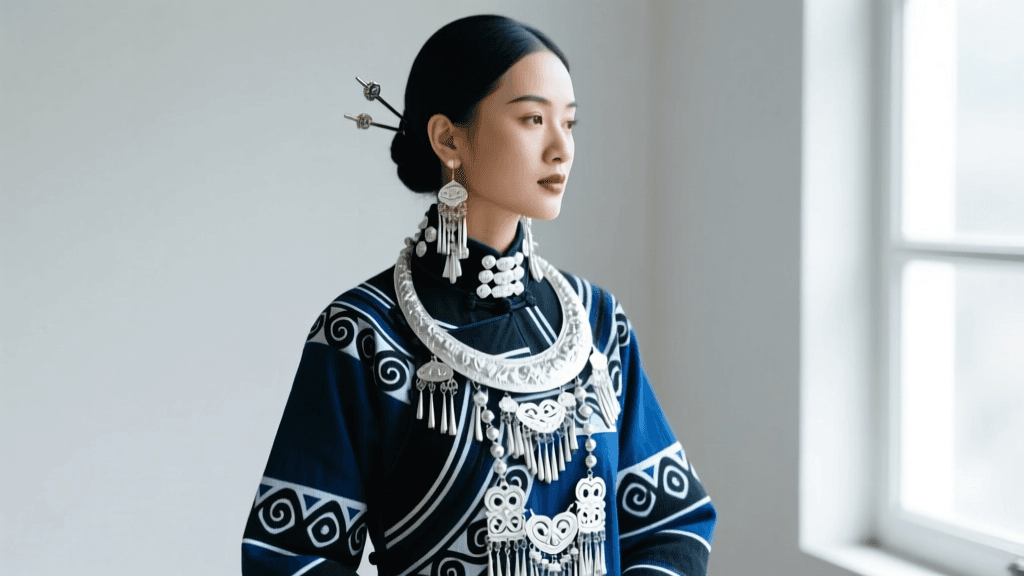
In the mist-shrouded, mountainous terrain of China's Guizhou province, the Miao (Hmong) people have cultivated one of the most visually stunning and culturally significant textile traditions in Asia. Because the Miao historically lacked a formal written language, their history, cosmology, and clan identities were encoded directly into their clothing. Today, Miao provincial dress remains a vibrant, living archive of regional folk culture, characterized by its masterful use of natural indigo dye, intricate beeswax batik, and heavy, symbolic silverwork.
For textile collectors, cultural historians, and sustainable fashion enthusiasts, understanding the nuances of Miao regional dress is essential. The garments are not merely decorative; they are highly engineered pieces of folk art that reflect the specific microclimates, ancestral myths, and social structures of distinct Miao subgroups. This guide provides a comprehensive, actionable overview of Miao indigo and silver traditions, offering practical advice for sourcing, authenticating, and preserving these remarkable provincial garments.
The Alchemy of Indigo: Dyeing and Batik (Lahua)
The foundation of traditional Miao clothing is dianlan, a deeply saturated, metallic black-blue achieved through natural indigo fermentation. Unlike modern synthetic dyes, traditional Guizhou indigo is derived from the leaves of the Polygonum tinctorium plant, cultivated in the terraced river valleys of the region.
The Fermentation Process
Creating an indigo vat is an act of biological alchemy that requires weeks of careful tending. Artisans harvest the indigo leaves in late summer, soaking them in water until they ferment. To this, they add wood ash (for alkalinity) and local rice wine (to feed the bacteria). According to extensive cultural documentation by Sixth Tone, the pH balance and temperature of the vat must be monitored daily. A healthy vat smells earthy and slightly sweet; a foul odor indicates the bacteria have died, and the dye will not bind to the cotton.
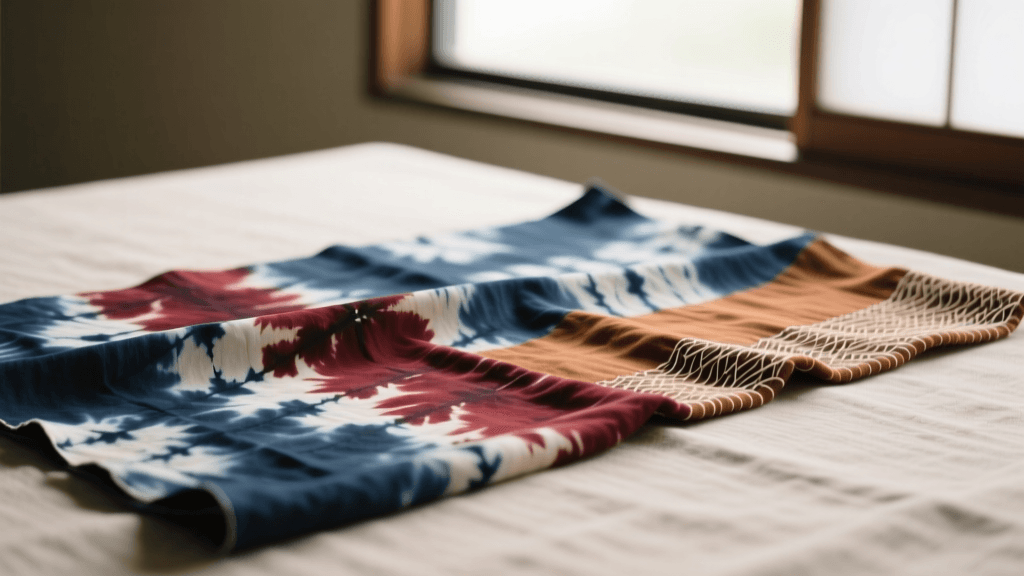
To achieve the prized dark, almost black-blue hue, cotton cloth is dipped into the vat, oxidized in the air, and re-dipped up to forty times over several weeks. Finally, the fabric is beaten with wooden mallets and rubbed with pig's blood or egg white to create a stiff, glossy finish that repels water and wind in the damp mountain climate.
Beeswax Batik (Lahua)
Before dyeing, Miao women often apply intricate patterns using melted beeswax. Using a specialized brass tool called a lading, they draw geometric motifs, stylized birds, and the legendary 'Butterfly Mother' onto raw cotton. The wax resists the indigo dye. After dyeing, the cloth is boiled to remove the wax, revealing crisp white patterns against the deep blue background. The characteristic 'crackle' effect—where dye seeps into tiny fractures in the cooled wax—is a hallmark of authentic, hand-drawn Miao batik.
Silverwork: The Weight of Ancestral Wealth
If indigo represents the earth and the ancestors, silver represents the stars and spiritual protection. Miao silversmithing, particularly in hubs like Shiqiao and Xijiang villages, is a masterclass in repoussé, filigree, and chasing techniques. Silver is believed to ward off evil spirits and illuminate the path to the afterlife.
A full festival ensemble for a Miao woman can include a towering silver horn headdress, multiple tiered neck rings, chest plaques, and hairpins, weighing anywhere from 5 to 15 kilograms. The motifs are highly symbolic: buffalo horns represent agricultural wealth and strength, while dragons and water buffalo represent the forces of nature. As noted by the Fowler Museum at UCLA, these silver pieces are often passed down through generations, serving as a family's primary financial reserve and a vital component of a bride's dowry.
Miao Subgroup Variations: A Collector's Comparison Chart
Guizhou is home to dozens of Miao subgroups, often categorized by outsiders based on their dominant clothing colors or skirt lengths. For collectors and researchers, identifying the specific regional origin of a garment is crucial for accurate valuation and cultural preservation.
| Subgroup Name | Primary Region | Distinctive Garment Features | Est. Antique Value (USD) |
|---|---|---|---|
| Long Skirt Miao | Xijiang, Leishan | Heavily pleated midi-skirts (15m+ fabric), massive silver horns, elaborate bird and butterfly embroidery on dark indigo. | $800 - $2,500 |
| Short Skirt Miao | Rongjiang, Danzhai | Miniature pleated skirts (often worn over trousers), dense geometric batik, vibrant silk floss embroidery accents. | $500 - $1,500 |
| Black Miao | Congjiang, Guangxi border | Shiny, indigo-black tunics with minimal embroidery, heavy silver neck rings, wrapped turban headpieces. | $300 - $900 |
| White Miao | Bijie, Western Guizhou | Undyed or white hemp base, cross-stitch embroidery in red and black, less reliance on heavy silverwork. | $200 - $700 |
Practical Guide: Sourcing Authentic Miao Garments
Acquiring authentic Miao folk dress requires patience, geographical specificity, and a keen eye for craftsmanship. The commercialization of ethnic tourism has flooded markets with machine-embroidered, synthetically dyed replicas. Here is how to navigate the market.
Where and When to Buy
- Locations: Skip the main tourist boutiques in Xijiang. Instead, visit the Sunday morning markets in Kaili or the smaller, localized markets in Taijiang and Shiqiao village.
- Timing: The best time to see garments in use and find locals willing to sell older, surplus pieces is during major festivals. The Sisters' Meal Festival in April/May and the autumn Lusheng Festival are prime periods for cultural immersion and ethical sourcing.
Authentication Checklist
- The Indigo Test: Natural indigo does not fluoresce under UV light. Bring a small UV flashlight; if the blue fabric glows brightly, it is likely dyed with synthetic vat dyes. Additionally, authentic indigo will slightly rub off on your fingers (crocking) when dry, whereas synthetic dyes are usually colorfast.
- Embroidery Inspection: Turn the garment inside out. Hand embroidery will show irregularities, varied thread thickness, and distinct knotting. Machine embroidery will have a uniform, continuous backing thread and perfect symmetry.
- Silver Purity: Traditional antique silver is often an alloy of silver and copper (around 80-90% silver) and will not be magnetic. Modern tourist-shop 'silver' is often nickel or brass alloy, which will attract a magnet. Look for the subtle, soft luster of aged silver rather than the harsh, mirror-like shine of plated base metals.
Sizing and Measurements
Traditional Miao jackets utilize a flat-cut, jiaoling youren (cross-collared right-over-left) construction. They are designed to be one-size-fits-most, accommodating bust sizes from 32 to 44 inches via adjustable side ties rather than darts or zippers. When purchasing pleated skirts, measure the waist tie length; authentic skirts require at least 1.5 meters of tie to wrap securely around the body and hold the heavy, stiffened fabric in place.
Care and Maintenance of Provincial Textiles
Preserving Miao garments requires specific environmental controls, as the natural materials are highly reactive to modern washing techniques and storage methods.
Indigo and Batik Care
Never wash authentic natural indigo in warm water or with alkaline detergents, as this will strip the dye and destroy the stiff, glossy finish created by the traditional mallet-beating process.
If cleaning is absolutely necessary, submerge the garment in cold water with a pH-neutral textile detergent for no more than five minutes. Do not wring the fabric. Roll it in a clean towel to absorb moisture, and dry it flat in the shade. Direct sunlight will rapidly oxidize and fade the natural indigo to a pale, uneven grey.
For storage, never hang heavily pleated indigo skirts. The weight of the fabric will cause the pleats to stretch and fall out over time. Instead, roll the skirt around an acid-free cardboard tube, interleaving the folds with unbuffered tissue paper, and store it in a breathable cotton bag in a climate-controlled environment (ideally 50% relative humidity).
Silverwork Maintenance
Miao silver is prone to tarnishing due to the copper content in traditional alloys and the high humidity of southern China. Do not use harsh chemical silver dips, which can strip the dark patina that artisans intentionally leave in the crevices of repoussé work to highlight the details. Instead, gently polish the raised surfaces with a microfiber cloth and a mild jeweler's rouge. Store silver pieces in anti-tarnish flannel bags with silica gel packets to prevent moisture-induced oxidation. Avoid storing silver in plastic bags, as trapped condensation will accelerate blackening.
Conclusion: Preserving a Wearable Heritage
The traditional dress of the Miao people in Guizhou is far more than regional folk costume; it is a complex, wearable manuscript of indigenous history, botanical knowledge, and metallurgical mastery. By understanding the rigorous processes behind natural indigo fermentation and the cultural weight of Miao silverwork, collectors and enthusiasts can engage with these garments ethically and knowledgeably. Whether you are sourcing a piece for a private collection or studying the structural ingenuity of provincial dress, respecting the terroir and the artisans of Guizhou ensures that this extraordinary textile tradition continues to be valued for generations to come.