Children's Hanfu: A Guide for Festivals & Rites of Passage
The Revival of Children's Hanfu in Modern Celebrations
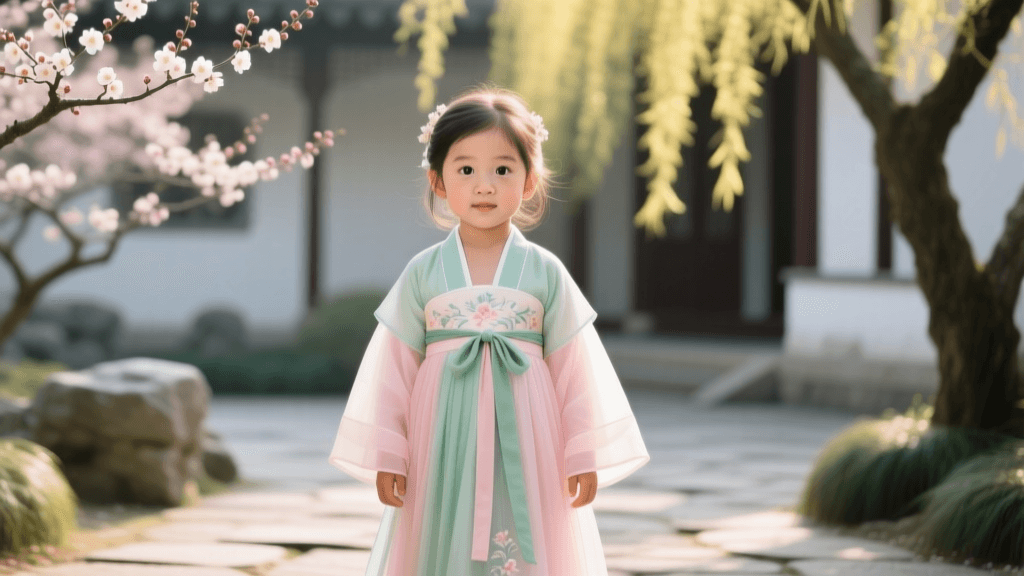
The contemporary Hanfu movement has transcended adult fashion, deeply rooting itself in family traditions and children's milestones. Across China and the global diaspora, parents are increasingly turning to traditional garments to celebrate cultural heritage. According to ongoing cultural reports covered by the China Daily Heritage section, the integration of Hanfu into children's wardrobes is not merely a stylistic choice but a profound educational tool. It connects younger generations to their ancestral roots through tactile, visual, and participatory experiences during major festivals and rites of passage. Dressing a child in Hanfu transforms a simple holiday gathering into a living history lesson, fostering a deep sense of identity and cultural pride from a remarkably young age.
Key Rites of Passage and Festivals
Zhua Zhou (First Birthday Grab)
The Zhua Zhou ceremony is one of the most significant early milestones in a child's life. Celebrated on a baby's first birthday, the tradition involves placing various symbolic objects (such as a calligraphy brush, a book, a coin, or a ruler) in front of the child. The item the child grabs first is believed to predict their future inclinations or career. For this deeply traditional event, infants are often dressed in padded, one-piece Hanfu garments or soft cotton Ao (jackets) featuring auspicious embroidery like peaches of immortality or ruyi cloud motifs. The clothing must be exceptionally soft, allowing the child to crawl and move freely while looking resplendent for family photographs.
Lunar New Year and Spring Festival
The Lunar New Year is the pinnacle of festive Hanfu wear. Children are dressed in vibrant reds, golds, and jewel tones to attract good fortune and ward off the mythical beast Nian. For toddlers and young children, the Mamianqun (horse-face skirt) paired with a lined Ao is incredibly popular for girls, offering both warmth and a regal silhouette. Boys often wear Yuanlingpao (round-collar robes) or simplified Ruqun sets. The layered nature of winter Hanfu provides excellent insulation against the cold, making it highly practical for outdoor temple fairs and fireworks viewing.
The Lantern Festival and Mid-Autumn Festival
As the seasons change, so do the fabrics and styles. During the springtime Lantern Festival, children participate in evening parades carrying paper lanterns. Lighter, flowing garments like the Beizi (a traditional open-front jacket) over a simple inner dress are ideal, allowing for ease of movement. For the Mid-Autumn Festival in early autumn, moon-viewing parties call for elegant, mid-weight silks and cotton-linen blends that reflect the serene, poetic nature of the holiday. Pastel colors, jade greens, and moon-white fabrics are highly favored during these autumnal celebrations.
Choosing the Right Hanfu Style by Age and Occasion
Selecting the appropriate Hanfu style depends heavily on the child's age, mobility, and the specific demands of the festival. Below is a structured guide to help parents navigate the myriad of options available in today's market.
| Age Group | Festival / Milestone | Recommended Style | Best Fabric | Estimated Cost (USD) |
|---|---|---|---|---|
| 1-3 Years | Zhua Zhou (First Birthday) | One-piece Shenji or padded Ao | Soft Cotton, Silk Blends | $30 - $60 |
| 4-7 Years | Lunar New Year | Mamianqun (Girls) / Yuanlingpao (Boys) | Brocade, Thick Cotton | $45 - $90 |
| 8-12 Years | Lantern / Mid-Autumn Festival | Beizi over Ruqun / Shenyi | Linen, Lightweight Silk | $60 - $120 |
| 13+ Years | Coming of Age / Formal Rites | Full Ceremonial Shenyi or Daopao | Woven Brocade, Raw Silk | $100 - $250+ |
Fabric Selection: Comfort Meets Heritage
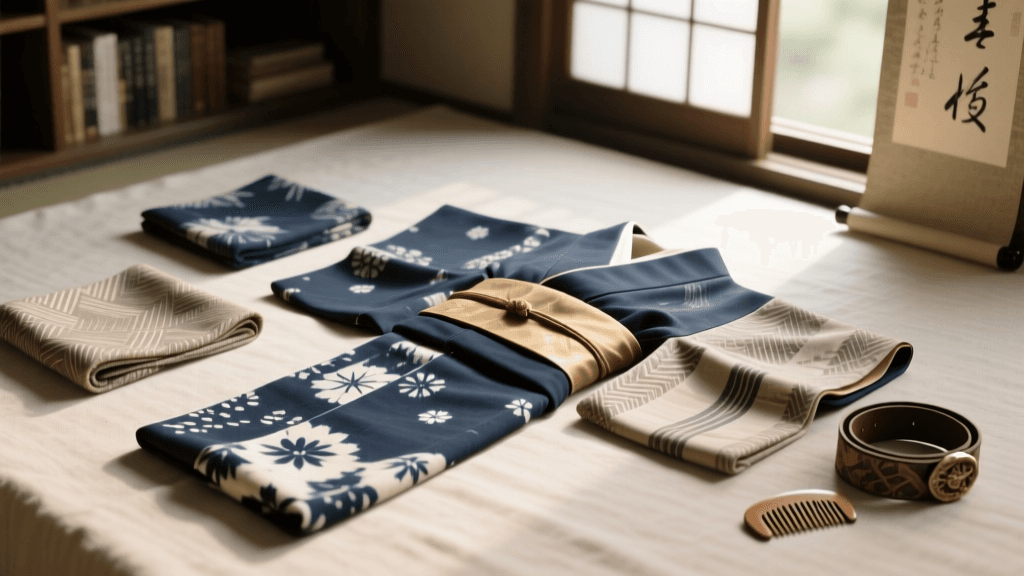
Children have sensitive skin, making fabric selection a critical aspect of purchasing children's Hanfu. While historical garments were often made from heavy, stiff brocades or raw silks, modern children's Hanfu prioritizes comfort without sacrificing historical aesthetics. For inner layers (the Zhongyi), 100% organic cotton or bamboo-silk blends are essential to prevent chafing and allow the skin to breathe.
The historical significance of these textiles cannot be overstated. The UNESCO Silk Roads Programme highlights how the ancient exchange of silk, cotton, and linen shaped not only global trade but also the domestic clothing traditions of various Asian cultures. When purchasing outer layers for special occasions, parents can look for modern jacquard weaves that mimic traditional brocade but utilize softer, more flexible yarns. For summer festivals, ramie and high-quality linen are excellent choices, providing the structured drape characteristic of Hanfu while offering superior cooling properties. Institutions like the Victoria and Albert Museum's Asian collections frequently showcase the intricate weaving techniques of historical Asian textiles, reminding us that the beauty of Hanfu lies as much in its textile craftsmanship as in its silhouette.
Sizing, Measurements, and Practical Purchasing Tips
Unlike modern Western clothing, which relies on standardized age-based sizing (e.g., 2T, 4T), authentic Hanfu is sized based on precise physical measurements. Because children grow rapidly, parents must master the art of measuring and allowing for growth.
- Height (Shengao): The most crucial metric for Hanfu. Measure from the top of the shoulder to the ankle. Skirts should ideally fall just above the ankle bone to prevent tripping.
- Chest/Bust (Xiongwei): Measure around the fullest part of the chest. Hanfu jackets wrap and tie, offering some flexibility, but you should add 2-3 inches to the actual measurement for comfort and layering.
- Arm Length (Xiuchang): Measure from the base of the neck, across the shoulder, down to the wrist. Traditional Hanfu sleeves often extend past the hands, but for children's daily festive wear, opt for 'narrow sleeves' (Zhaixiu) or slightly shortened wide sleeves to prevent them from dragging in food or catching on lanterns.
Pro-Tip for Parents: Always order children's Hanfu at least 4 to 6 weeks before a major festival. High-quality, embroidered sets are often made-to-order by specialized artisans and require significant lead time for production and international shipping.
Symbolism in Children's Accessories
When dressing children in Hanfu, accessories carry immense symbolic weight. The most iconic is the tiger-head hat (Hutoumao) and tiger-head shoes. In traditional Chinese folklore, the tiger is considered the king of beasts and a powerful protector against evil spirits and childhood illnesses. During the Duanwu Festival (Dragon Boat Festival), children also wear fragrant sachets (Xiangbao) filled with mugwort and realgar to ward off the 'five poisons' (snakes, scorpions, centipedes, spiders, and toads). These accessories are not only visually striking but serve as wearable amulets, blending Hanfu aesthetics with ancient protective folklore.
Teaching Traditional Etiquette and Greeting Protocols
A child in Hanfu is an ambassador of traditional etiquette. Teaching children the proper greetings enhances the cultural immersion of any festival. The most common greeting is the Gongshou (cupped hands) salute. For young children, the protocol is simplified: boys wrap their left hand over their right fist, while girls wrap their right hand over their left fist, reflecting the traditional Yin and Yang philosophy where left represents Yang (male) and right represents Yin (female).
Parents can turn this into a fun, interactive game before a festival. Practicing the slight bow, the positioning of the hands at chest level, and the appropriate festive greetings (such as 'Gongxi Facai' for Lunar New Year or 'Shenti Jiankang' for general well-being) helps children understand the respect and mindfulness embedded in traditional Asian customs. It transforms the garment from a mere costume into a vessel for cultural behavior and respect.
Conclusion
Dressing children in Hanfu for festivals and rites of passage is a beautiful, multifaceted endeavor that bridges the past and the future. By carefully selecting age-appropriate styles, prioritizing skin-friendly historical fabrics, and teaching the accompanying etiquette, parents provide their children with a profound, lived experience of Asian heritage. Whether it is a toddler grasping a calligraphy brush in a silk-padded Ao or a teenager performing a formal Gongshou greeting under the light of the Mid-Autumn moon, children's Hanfu ensures that the rich tapestry of traditional Asian culture continues to be woven into the fabric of modern family life.