Yukata vs Kimono: The Ultimate Summer Casual Wear Guide
Embracing Summer in Japan: The Art of Casual Traditional Wear
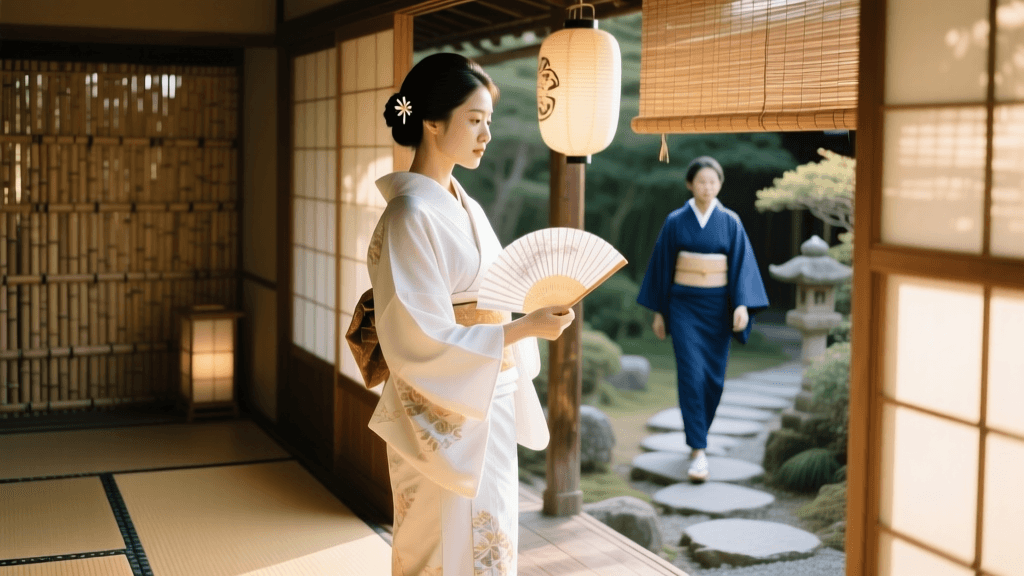
Summer in Japan is a sensory explosion of vibrant fireworks (hanabi), bustling street festivals (matsuri), and the rhythmic clatter of wooden sandals on pavement. At the heart of this seasonal celebration is the traditional garments worn by locals and tourists alike. However, as the humidity rises, understanding the nuanced differences between a yukata and a summer kimono (usumono) becomes essential for anyone looking to dress appropriately, comfortably, and stylishly. While Western observers often use the word "kimono" as a catch-all term for Japanese traditional clothing, the reality is far more intricate. According to the Metropolitan Museum of Art, the evolution of the kimono reflects centuries of shifting social norms, seasonal awareness, and textile innovation. This comprehensive guide will break down the anatomy of summer Japanese fashion, providing actionable advice on styling, renting, and mastering the etiquette of warm-weather traditional wear.
The Core Differences: Fabric, Layers, and Formality
The primary distinction between a yukata and a summer kimono lies in their foundational purpose, fabric composition, and the required undergarments. The yukata originated as a lightweight cotton bathing robe for the aristocracy during the Heian period (794–1185) before evolving into the casual summer streetwear we recognize today. In contrast, a summer kimono—often crafted from sheer silks like ro (gauze) or sha (leno weave)—is a formal or semi-formal garment that requires a full suite of undergarments and accessories. The Victoria and Albert Museum notes that the seasonal transition in Japanese dress is strictly governed by the calendar, with unlined silk kimono (hitoe) worn in June, and sheer, breathable fabrics (usumono) reserved for the peak heat of July and August.
Head-to-Head Comparison Chart
| Feature | Yukata | Summer Kimono (Usumono) |
|---|---|---|
| Formality | Casual (Festivals, Ryokan, Lounging) | Semi-Formal to Formal (Tea ceremonies, Dining, Weddings) |
| Primary Fabric | Cotton, Hemp, or Cotton-Poly Blends | Sheer Silk (Ro, Sha), High-quality Linen |
| Undergarments | Minimal (Slip or camisole, susoyoke skirt) | Full (Nagajuban under-robe, hadajuban, koshimaki) |
| Footwear | Geta (wooden clogs), bare feet | Zori (woven sandals) with tabi (split-toe socks) |
| Obi (Sash) | Hanhaba obi (narrow, informal) | Nagoya obi or Fukuro obi (wider, formal) |
| Average Cost (Buy) | ¥3,000 – ¥15,000 ($20 – $100 USD) | ¥50,000 – ¥300,000+ ($350 – $2,000+ USD) |
Deep Dive: The Yukata (Japan’s Ultimate Summer Casual Wear)
The yukata is the undisputed champion of Japanese summer casual wear. Because it is unlined and made of absorbent cotton, it is designed to be worn directly over basic modern undergarments or a simple traditional slip called a hadajuban.
Styling and Accessories
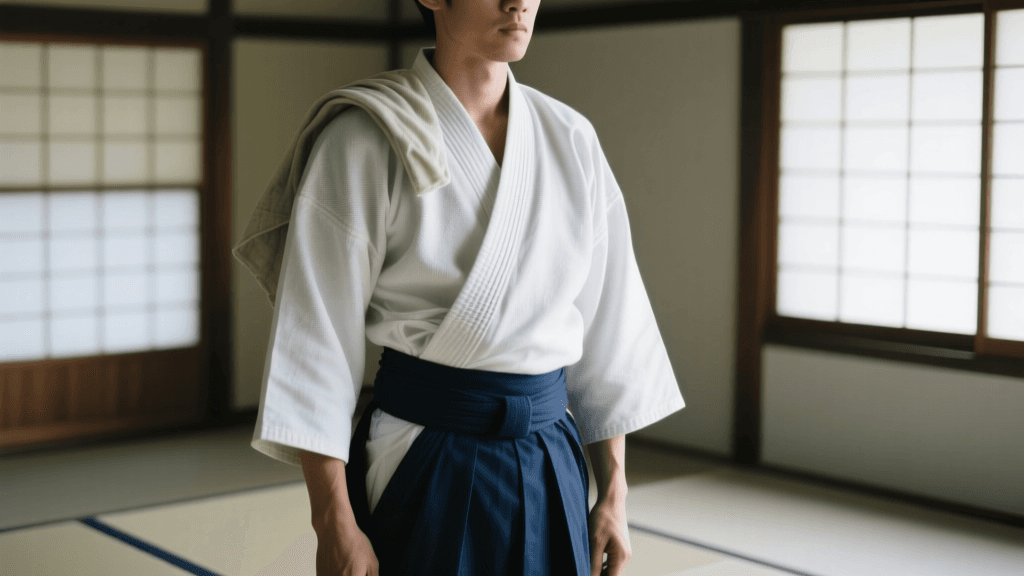
- The Obi: For women, a hanhaba obi (approximately 16cm wide) is standard. It is often tied in a bunko musubi (butterfly knot) or a decorative pre-tied belt (tsuke obi) for beginners. Men typically wear a kaku obi (narrow, stiff belt) tied in a simple knot at the back or slightly off-center.
- Footwear: Yukata are paired with geta (elevated wooden sandals). Unlike formal kimono, you do not wear tabi socks with geta; bare feet are the standard and historically accurate choice.
- Accessories: A kinchaku (small drawstring bag) is essential, as yukata do not have functional pockets. For a modern twist, many young women pair yukata with retro hair accessories, lace collars peeking out from the neckline, or even Western-style straw hats.
Deep Dive: The Summer Kimono (Usumono)
When an occasion demands more formality than a cotton yukata can provide, the usumono (sheer summer kimono) is required. Crafting these garments is a highly specialized artisanal skill. The Japan Guide highlights that while yukata are ubiquitous at tourist sites, true summer silk kimono are reserved for refined events, upscale dining, and traditional arts like tea ceremony.
Fabric and Layering Nuances
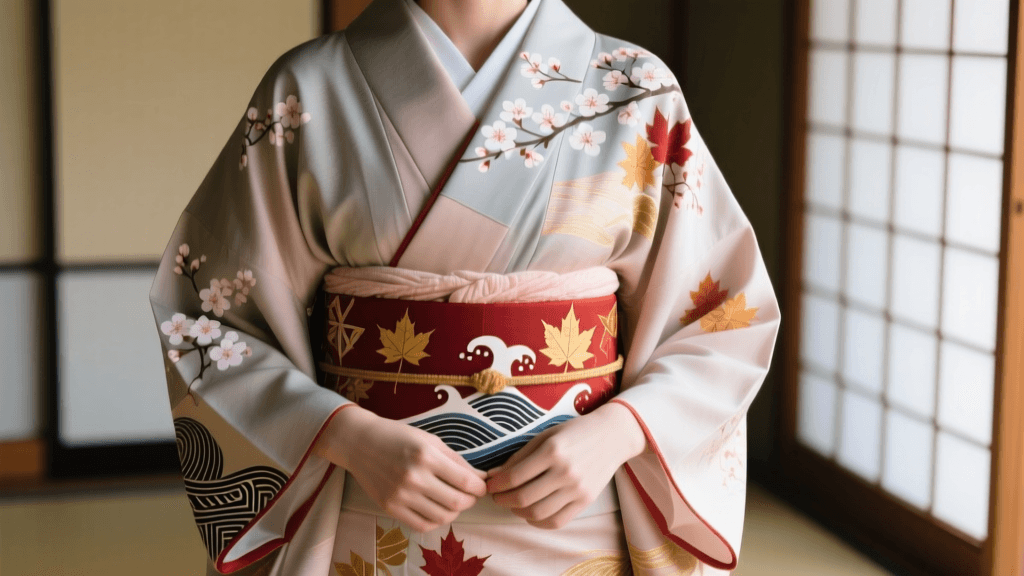
The magic of the usumono lies in its visual coolness. The sheer silk allows the color and pattern of the under-robe (nagajuban) to show through, creating a layered, translucent effect that mimics the dappled light of a forest canopy or the flow of a mountain stream. Because the fabric is see-through, the undergarments must be pristine, perfectly fitted, and seasonally coordinated. Furthermore, the collar of the nagajuban must be visible at the back of the neck, a hallmark of formal kimono dressing that is entirely omitted in yukata styling.
Practical Guide: Renting vs. Buying in Japan
For travelers and expatriates, navigating the acquisition of summer traditional wear requires an understanding of local markets and rental logistics.
Rental Operations and Timing
Renting is the most popular option for tourists in cultural hubs like Kyoto, Kanazawa, and Tokyo's Asakusa district.
- Yukata Rentals: Expect to pay between ¥3,000 and ¥5,500. This almost always includes the garment, obi, geta, and a small bag. Some shops offer hair styling for an additional ¥1,500.
- Summer Kimono Rentals: True silk ro or sha kimono rentals are rarer and more expensive, typically ranging from ¥8,000 to ¥15,000 due to the cost of dry-cleaning and the inclusion of formal tabi and zori.
- Pro-Tip on Timing: Book the earliest possible time slot (usually 9:00 AM). Not only will you avoid the midday tourist rush, but you will also secure a wider selection of sizes and premium patterns before they are rented out. Furthermore, getting dressed in a cool, air-conditioned shop before stepping into the 32°C (90°F) heat is crucial for comfort.
Purchasing Your Own
If you wish to purchase a yukata to take home, department stores (depato) like Isetan or Takashimaya offer high-end, artisanal cotton pieces starting around ¥15,000. For budget-friendly options, second-hand kimono markets (like the monthly flea markets at Yasukuni Shrine or Toji Temple) are treasure troves where vintage cotton yukata can be found for as little as ¥500 to ¥2,000. Always check the yuki (sleeve span measurement) to ensure the garment will fit your arm length properly.
Essential Etiquette and Styling Rules
Whether you are wearing a casual cotton yukata or a formal silk kimono, certain rules of Japanese dress code are immutable. Violating these can be seen as deeply disrespectful or, at the very least, a glaring fashion faux pas.
The Golden Rule of the Collar: Always wear the left side of the collar over the right side. The reverse (right over left) is strictly reserved for dressing the deceased for burial. A helpful mnemonic for English speakers is "Left over Right" (L-o-R), or simply remember that your left hand should be able to slip easily into the chest opening of the garment.
Hemline and Posture
Unlike Western dresses, the hemline of a yukata or kimono should not flow freely around the calves. When dressed correctly, the hem should rest exactly at the ankle bone (kubushimi). For women, the skirt should be wrapped tightly enough to restrict the stride, promoting a graceful, gliding walk. Men's yukata are traditionally worn slightly shorter, ending just above the ankle, and are often secured with a himo (tying cord) at the waist to create a bloused effect over the obi.
Care and Maintenance
Modern cotton and polyester-blend yukata are incredibly easy to care for. They can be hand-washed or machine-washed on a delicate cycle using a mesh laundry net, then hung to dry in the shade (direct sunlight will fade the indigo and vibrant summer dyes). However, if you invest in a silk ro or sha summer kimono, never attempt to wash it with water. It must be taken to a specialized traditional cleaner for a process called maruarai, which involves taking the garment apart, cleaning the silk, and re-sewing it.
Conclusion
Navigating the world of Japanese summer casual wear is a rewarding journey into a culture that deeply respects the changing of the seasons. While the yukata offers a breathable, accessible, and festive entry point into traditional fashion, the summer kimono provides a window into the breathtaking artistry of Japanese silk weaving and formal etiquette. By understanding the structural differences, adhering to the foundational rules of dressing, and knowing where to source your garments, you can confidently participate in Japan's vibrant summer traditions with both respect and style.