Yukata vs Jinbei: The 2026 Summer Japanese Casual Wear Guide
Introduction to Japanese Summer Casual Wear in 2026
As the intense humidity and vibrant energy of the Japanese summer season take over, the streets of Tokyo, Kyoto, and Osaka transform into a sea of traditional textiles. Summer in Japan is synonymous with matsuri (festivals), hanabi taikai (fireworks displays), and bon odori (traditional dances). For both locals and international travelers navigating the 2026 summer festival calendar, choosing the right attire is essential for balancing cultural respect, aesthetic appeal, and physical comfort. The two undisputed champions of Japanese summer casual wear are the yukata and the jinbei. While both garments share historical roots in the Edo period and are designed specifically to combat the sweltering Japanese heat, they serve distinctly different purposes in modern wardrobes. According to cultural overviews provided by Japan Guide's traditional clothing archives, understanding the nuanced differences between these two garments is key to fully enjoying Japan's summer traditions. This comprehensive 2026 guide will break down the construction, styling, pricing, and cultural etiquette of yukata versus jinbei, ensuring you are perfectly dressed for every summer occasion.
What is a Yukata? The Elegant Summer Kimono
The yukata is a lightweight, unlined summer kimono that has evolved significantly from its origins as a simple cotton bathrobe worn by the aristocracy in the Heian period. By the Edo period, it had become the everyday casual wear for commoners, and today, it stands as the premier garment for summer festivals and fireworks viewing. In 2026, the yukata continues to dominate the fashion landscape, blending centuries-old silhouettes with modern textile innovations.
Construction and Fabrics
A traditional yukata is constructed from a single bolt of fabric, cut into straight panels and sewn together with minimal waste. The standard material is 100% cotton, specifically woven in breathable styles like shijira-ori (a textured, seersucker-like weave) or ro (a sheer, gauze-like weave). However, the 2026 market has seen a massive surge in advanced fabric blends. Major retailers are now offering yukata made from tech-linen and contact-cooling synthetic blends that wick moisture away from the skin, a necessary adaptation for the increasingly intense heatwaves experienced in recent years.
Styling and Accessories
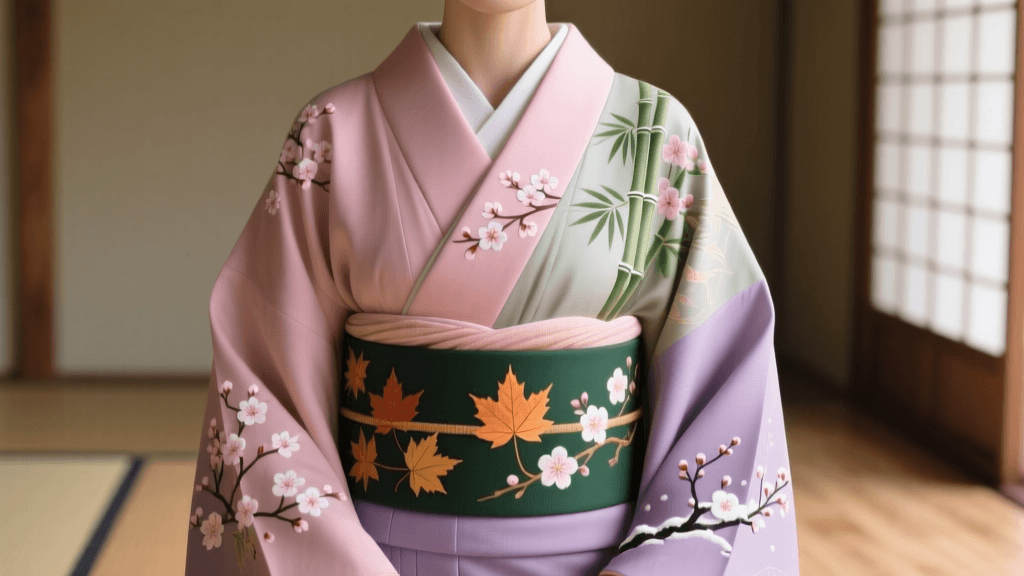
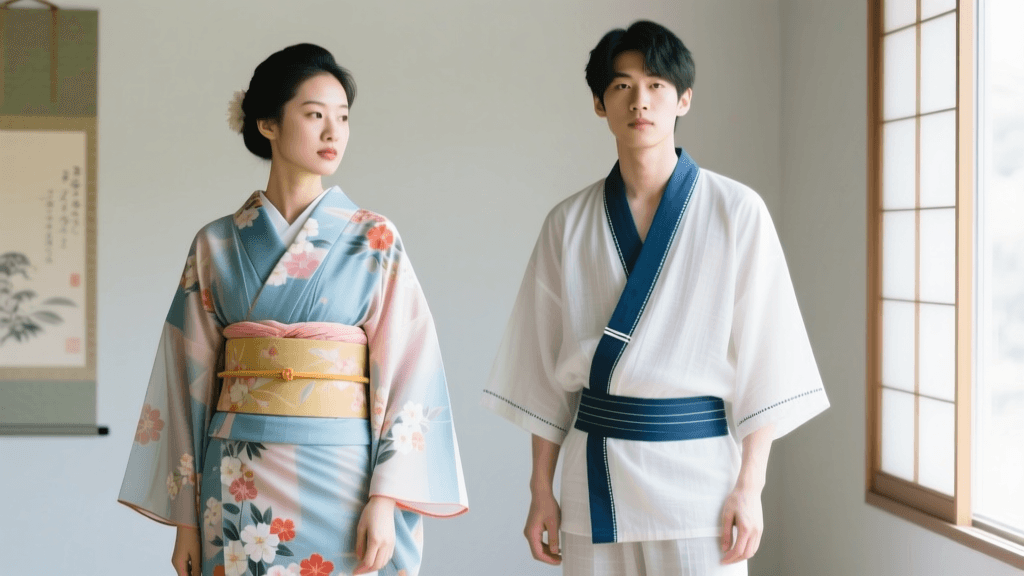
Wearing a yukata requires a specific wrapping technique—always left side over right side—and is secured with an obi (sash). For women, the styling options in 2026 are incredibly diverse, ranging from traditional floral patterns to contemporary geometric and pop-culture collaborations. Accessories are a crucial component of the yukata ensemble. A complete outfit typically includes geta (wooden clogs), a kinchaku (drawstring bag), and decorative obijime (cords) or hair ornaments. For men, the styling is generally more subdued, featuring darker colors, simpler geometric patterns, and a narrower, stiffer obi tied at the waist.
What is a Jinbei? The Ultimate Festival Loungewear
If the yukata is the elegant showpiece of summer, the jinbei is the undisputed king of comfort. Originally worn as indoor loungewear or sleepwear by men during the Edo period, the jinbei has transcended its humble beginnings to become a ubiquitous sight at local neighborhood festivals, convenience stores, and casual summer gatherings across Japan. In 2026, the jinbei is celebrated for its gender-neutral appeal, ease of wear, and unmatched breathability.
Construction and Fabrics
Unlike the full-length, wrap-around yukata, the jinbei is a two-piece garment consisting of a short-sleeved, wrap-style top and a pair of loose-fitting shorts. The top is secured with two sets of ties: one on the inside and one on the outside, completely eliminating the need for an obi. A defining feature of high-quality jinbei is the presence of machi (side vents) where the sleeves meet the body, allowing for maximum airflow and unrestricted movement. While traditional cotton remains popular, 2026 trends highlighted by Nippon.com cultural features show a strong consumer shift toward sustainable materials, with organic hemp blends, waffle-knit cotton, and upcycled textile jinbei dominating boutique shelves.
Styling and Accessories
The jinbei requires virtually no styling expertise. You simply slip it on, tie the strings, and you are ready to go. Because of its casual nature, the jinbei is rarely paired with formal accessories. Footwear is typically limited to bare feet, casual sandals, or modern slip-on sneakers, making it highly practical for navigating crowded festival grounds or walking short distances around a residential neighborhood. In recent years, matching family jinbei sets have become a massive trend, with parents and children wearing coordinated patterns for summer photo ops and local bon odori dances.
Head-to-Head Comparison: Yukata vs. Jinbei
To help you decide which garment best suits your 2026 summer itinerary, we have compiled a detailed comparison chart covering the most critical factors for travelers and fashion enthusiasts alike.
| Feature | Yukata | Jinbei |
|---|---|---|
| Garment Type | Full-length, one-piece wrap robe | Two-piece set (top and shorts) |
| Formality Level | Semi-formal to casual (acceptable for fireworks, dates, temple visits) | Strictly casual (loungewear, local street food stalls, relaxing at home) |
| Primary Fabrics (2026) | Cotton, tech-linen, cooling synthetic blends | Waffle cotton, hemp blends, seersucker, double-gauze |
| Fastening Method | Obi (sash) and koshi-himo (ties) | Simple fabric strings (inner and outer ties) |
| Time to Dress | 10 to 20 minutes (requires practice) | Under 1 minute |
| Average Price Range | ¥5,000 - ¥15,000 ($33 - $100 USD) | ¥3,000 - ¥8,000 ($20 - $53 USD) |
| Footwear Pairing | Geta (wooden clogs) or zori (sandals) with tabi socks | Barefoot, casual slides, or sneakers |
| Best Occasion | Major fireworks festivals, shrine visits, traditional tea ceremonies | Neighborhood matsuri, lounging, quick convenience store runs |
Weather Adaptations: Beating the 2026 Summer Heat
Japan's summer climate is notoriously oppressive, with humidity levels frequently exceeding 80% and temperatures soaring past 35°C (95°F) in urban centers like Tokyo and Kyoto. Both the yukata and jinbei were historically engineered to manage this specific climate, but modern adaptations have taken thermal regulation to the next level. The loose, flowing silhouette of the yukata creates a chimney effect, drawing cool air up from the hem and expelling hot air through the neck opening. The jinbei, with its exposed legs and side-vent construction, offers superior direct airflow to the skin.
In 2026, the integration of 'cooling tech' into traditional garments is a major selling point. Many mid-range yukata now feature inner linings made from Q-TEX or similar contact-cooling materials that actively lower the surface temperature of the skin upon contact. Furthermore, the use of UV-blocking weaves in lighter-colored jinbei protects the wearer from intense solar radiation during daytime outdoor events. For travelers, investing in a modern, tech-enhanced yukata or a highly breathable hemp jinbei is a practical strategy for surviving the Japanese summer without sacrificing cultural immersion.
Buying Guide: Where to Shop and 2026 Pricing
Whether you are looking for a high-end artisan piece or a budget-friendly festival outfit, Japan's retail landscape in 2026 offers options for every budget. The Japan National Tourism Organization (JNTO) frequently recommends exploring both traditional shopping districts and modern e-commerce platforms to find the best seasonal wear.
Where to Buy Yukata
- Department Stores (Isetan, Takashimaya): Best for premium, high-quality cotton and silk-blend yukata. Expect to pay between ¥15,000 and ¥40,000 ($100 - $265 USD). These stores offer professional fitting and obi-tying services.
- Fast Fashion & Specialty Chains (Uniqlo, Wacoal, Y. & S. K. Kimono): Ideal for beginners and tourists. Prices range from ¥4,000 to ¥9,000 ($26 - $60 USD). These often come as 'set-ups' that include the yukata, a pre-tied obi, and geta.
- Secondhand & Vintage Shops (Shimokitazawa, Koenji): Perfect for finding unique, retro patterns from the Showa era. Prices can be as low as ¥2,000 ($13 USD), but finding the correct length and width requires careful measurement.
Where to Buy Jinbei
- Mass Retailers (MUJI, Uniqlo, Nitori): The go-to for minimalist, high-quality, and comfortable lounge jinbei. Prices typically hover around ¥3,000 to ¥5,000 ($20 - $33 USD).
- Traditional Textile Boutiques (Kyoto, Kanazawa): For luxury jinbei featuring hand-dyed shibori or arimatsu techniques. These artisanal pieces can cost upwards of ¥20,000 ($130 USD) and are treated as wearable art.
- E-commerce (Rakuten, Amazon Japan): Offers the widest variety of sizes, including extended sizing for international tourists, which can be difficult to find in brick-and-mortar stores.
Cultural Etiquette and Styling Tips
While both garments are casual by Japanese standards, there are strict cultural rules that must be followed to avoid committing a fashion faux pas. The most critical rule for both yukata and jinbei tops is the wrapping direction: always wrap the left side over the right side. Wrapping right over left is strictly reserved for dressing the deceased for burial, and making this mistake in public is considered highly inauspicious and disrespectful.
When wearing a yukata, ensure the hem falls neatly at the ankles. For women, the ohashori (the fold of fabric tucked under the obi at the waist) should be even and level, symbolizing neatness and respect for the garment. Men wear their yukata lower on the hips, without the ohashori fold. When it comes to jinbei, the rules are much more relaxed, but it is still considered inappropriate to wear them into formal dining establishments, high-end ryokan (traditional inns) common areas, or sacred temple grounds. Jinbei is best reserved for the street, the festival, and the living room.
Conclusion
Choosing between a yukata and a jinbei in 2026 ultimately comes down to your itinerary and your desire for comfort versus elegance. If you are planning to attend a major fireworks festival, visit a historic shrine, or enjoy a romantic summer evening stroll, the yukata offers an unparalleled aesthetic that connects you deeply to Japan's sartorial heritage. However, if your plans involve dancing at a local neighborhood bon odori, grabbing street food at a casual matsuri, or simply relaxing on a humid afternoon, the jinbei provides a practical, breathable, and effortlessly cool alternative. By understanding the distinct characteristics, modern fabric innovations, and cultural etiquette of both garments, you can navigate the Japanese summer with confidence, comfort, and impeccable style.