Kimono Motif Symbolism: Seasonal Colors and Patterns
The Language of Silk: Understanding Kimono Motif Symbolism
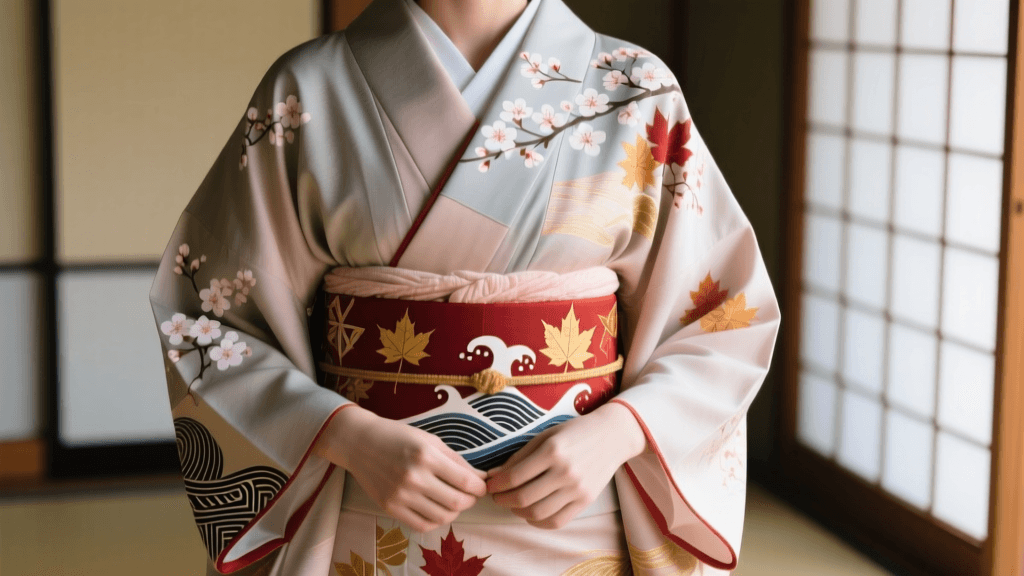
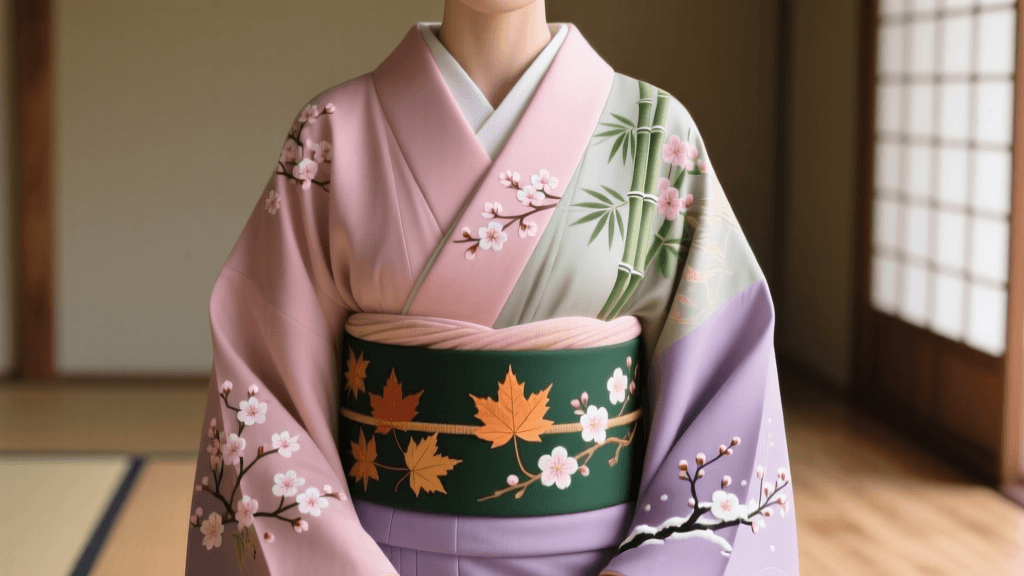
Japanese traditional garments are far more than mere clothing; they are wearable canvases that communicate the wearer's age, marital status, social standing, and, most importantly, their deep connection to nature. The concept of kisetsukan (seasonal awareness) is the cornerstone of kimono styling. Unlike Western fashion, which often reacts to current weather, traditional Japanese dress anticipates the turning of the seasons. Wearing a motif exactly when it blooms in nature is considered slightly past its prime; true elegance lies in wearing the cherry blossom pattern just as the buds begin to form, or the autumn maple leaf before the trees turn red.
According to the Metropolitan Museum of Art, the evolution of kimono motifs from the Heian period (794–1185) to the Edo period (1615–1868) reflects a shift from courtly abstraction to highly literal, nature-inspired symbolism. Today, understanding these motifs and their associated color palettes is essential for anyone looking to wear, collect, or appreciate Japanese textiles authentically.
Seasonal Motifs and Color Palette Guide
Choosing the correct motif and color combination requires a nuanced understanding of the Japanese lunar calendar and regional flora. Below is a structured guide to the most prominent seasonal symbols and their traditional color pairings.
| Season | Primary Motifs | Traditional Colors | Styling Rule & Timing |
|---|---|---|---|
| Spring | Sakura (Cherry Blossom), Wisteria, Plum, Butterflies, Swallows | Sakura-iro (pale pink), Matcha-iro (soft green), Wasurenagusa (forget-me-not blue) | Wear plum in late winter (Feb). Wear sakura from early March until the petals begin to fall in April. |
| Summer | Asagao (Morning Glory), Fireworks, Water ripples, Goldfish, Woven bamboo | Kon (deep navy), Shiro (white), Mizu-iro (water blue), Mint green | Cooling motifs (water, wind) are worn in July/August to evoke a sense of visual coolness during humid months. |
| Autumn | Momiji (Maple), Chrysanthemum, Susuki (pampas grass), Full Moon | Kitsune-iro (fox orange), Kuri-iro (chestnut brown), Murasaki (purple) | Chrysanthemums are highly auspicious and can technically be worn year-round, but peak maple motifs are for November. |
| Winter | Sho-chiku-bai (Pine, Bamboo, Plum), Snowflakes, Camellia, Cranes | Shiro (white), Aka (red), Kuro (black), Matsu-iro (pine green) | Pine and bamboo represent resilience. Camellias (tsubaki) are worn in deep winter, but avoided by samurai historically as the flower drops whole, resembling a severed head. |
The Psychology and Status of Kimono Colors
Color in Japanese textiles is heavily regulated by historical sumptuary laws and deeply tied to Shinto and Buddhist philosophies.
- Red (Aka): Historically, red was a highly expensive dye derived from safflower. It is deeply associated with youth, vitality, and the warding off of evil spirits. Unmarried women wear vibrant reds (like the furisode), while brides wear shiromuku (pure white) with red inner linings to symbolize rebirth into their new family.
- Purple (Murasaki): Reserved for the highest ranks of the imperial court, purple remains a color of nobility, elegance, and maturity. It is frequently chosen by older, married women for formal tea ceremonies.
- Indigo (Ai): The color of the commoner during the Edo period due to strict laws banning bright colors. However, indigo is prized not just for its rich, fading beauty, but for its practical properties: the natural fermentation process of Japanese indigo creates a fabric that repels insects and masks odors, making it the ultimate choice for summer yukata and workwear.
Practical Guide: Sourcing, Sizing, and Styling
Whether you are renting a kimono for a day in Kyoto or investing in vintage silk, understanding the mechanics of the garment is crucial for an authentic silhouette.
Measurements and Sizing
Unlike Western clothing, kimono are cut from single bolts of fabric (tanmono) roughly 35 cm wide, meaning they are highly adjustable in width but strict in length.
- Mitake (Length): The ideal kimono length should match the wearer's height from the nape of the neck to the ankle. Excess fabric is folded at the waist (ohashori) to adjust the hemline.
- Yuki (Sleeve Span): Measured from the center back of the neck, over the shoulder, to the wrist. Standard modern yuki is around 62–65 cm.
- Obi Dimensions: A formal Fukuro obi measures approximately 30 cm wide and 420 cm long. A semi-formal Nagoya obi is 30 cm wide but shorter at 360 cm, pre-folded at the back for easier tying.
Costs and Timing for Rentals and Purchases
If you plan to experience traditional dress in Japan, timing and budgeting are key.
- Renting: In tourist hubs like Kyoto's Higashiyama or Tokyo's Asakusa, a standard silk kimono rental package (including dressing service, kitsuke, obi, and zori sandals) costs between ¥5,000 and ¥8,000. Premium packages with authentic Yuzen-dyed silk and lace accessories range from ¥10,000 to ¥15,000. Actionable Tip: Book 3 to 4 weeks in advance if visiting during peak sakura (late March) or momiji (mid-November) seasons, as shops sell out of seasonal motifs quickly.
- Buying Vintage: For collectors, Kyoto's Toji Temple flea market (held on the 21st of each month) or Tokyo's Oedo Antique Market offer incredible vintage pieces. Expect to pay ¥3,000 to ¥15,000 for high-quality, mid-20th-century silk kimono. Always check the collar (eri) for sweat stains and the hem (suso) for mud splatters before purchasing.
Beyond the Mainland: Ainu and Ryukyuan Motif Symbolism
While the mainland kimono dominates global perceptions of Japanese dress, the indigenous and regional garments of Japan's northern and southern extremities boast equally profound symbolic traditions.
Ainu Attus and Protection Motifs
The indigenous Ainu people of Hokkaido traditionally weave garments called attus from the inner bark of the elm tree. According to the National Ainu Museum and Park (Upopo), Ainu embroidery is not merely decorative; it is deeply spiritual. The intricate appliqué and embroidery patterns are placed exclusively at the garment's openings—the neck, cuffs, and hem. These are the entry points for evil spirits. The Moreu (a swirling spiral motif) represents water and the flow of life, while the Aiushi (thorn-like geometric patterns) acts as a spiritual barrier to pierce and ward off malevolent entities. The colors are traditionally subdued, relying on the natural brown tones of the elm bark, contrasted with dark indigo or black cotton traded from the mainland.
Ryukyuan Bingata: Subtropical Vibrancy
In the southern Ryukyu Islands (modern-day Okinawa), the traditional garment is the ryuso, characterized by its wide sleeves and lightweight fabrics suited for a subtropical climate. The crown jewel of Ryukyuan textiles is Bingata, a vibrant resist-dyeing technique. As highlighted in the Victoria and Albert Museum's extensive textile archives, Bingata was historically reserved for royalty and the warrior class. The motifs heavily feature the local ecosystem and Chinese trade influences: hibiscus flowers, palm trees, swallows, and mythical dragons. The colors are strikingly bold compared to mainland subtlety, utilizing brilliant turmeric yellows, safflower reds, and deep indigos to reflect the intense Okinawan sunlight and the ocean's vibrancy.
'To wear a kimono is to wrap oneself in the poetry of the seasons, carrying the ephemeral beauty of nature upon one's shoulders.'
Conclusion
Whether you are deciphering the protective thorns of an Ainu attus, admiring the vibrant dragons of an Okinawan Bingata, or carefully selecting a silk Fukuro obi featuring early spring plum blossoms, understanding pattern color and motif symbolism transforms the act of dressing into a profound cultural dialogue. By respecting the rules of kisetsukan and the historical weight of textile dyes, you honor the master artisans who have kept these Asian traditions alive for centuries.