Yukata vs Jinbei: 2026 Summer Casual Style Guide
Navigating Japanese Summer Fashion in 2026
Summer in Japan is a sensory explosion of vibrant fireworks, rhythmic taiko drums, and bustling street food stalls. However, as we navigate the summer of 2026, with meteorological agencies predicting record-breaking heatwaves across East Asia, choosing the right traditional summer garment is no longer just about aesthetics—it is a matter of thermal comfort, practical mobility, and cultural respect. For travelers and fashion enthusiasts alike, the debate often comes down to two iconic garments: the yukata and the jinbei.
While both garments are deeply rooted in Japanese heritage and are designed specifically for warm weather, they serve distinctly different purposes in modern society. Understanding the nuances between a flowing, elegant yukata and a breezy, utilitarian jinbei is essential for anyone looking to participate in the 2026 summer festival (matsuri) season. Whether you are attending the grand Gion Matsuri in Kyoto or simply enjoying a casual evening at a local neighborhood shrine, this comprehensive guide will help you choose the perfect attire.
According to the Japan National Tourism Organization (JNTO), summer festivals remain one of the most sought-after cultural experiences for international visitors, making proper attire a key component of respectful and comfortable travel. Let us break down the history, construction, and modern styling of both garments to help you make an informed decision for your 2026 summer wardrobe.
The Yukata: Elegance and Festival Tradition
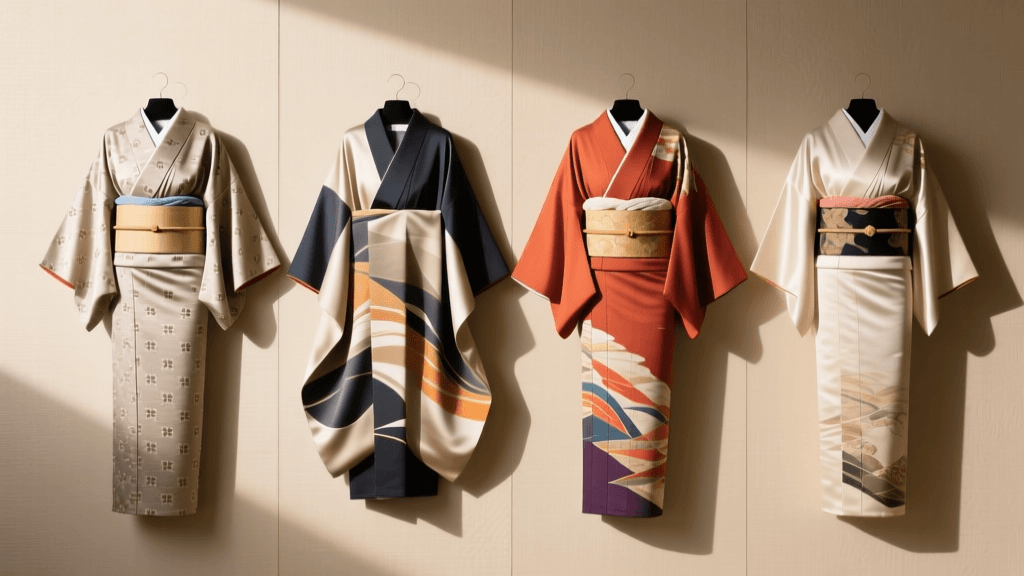
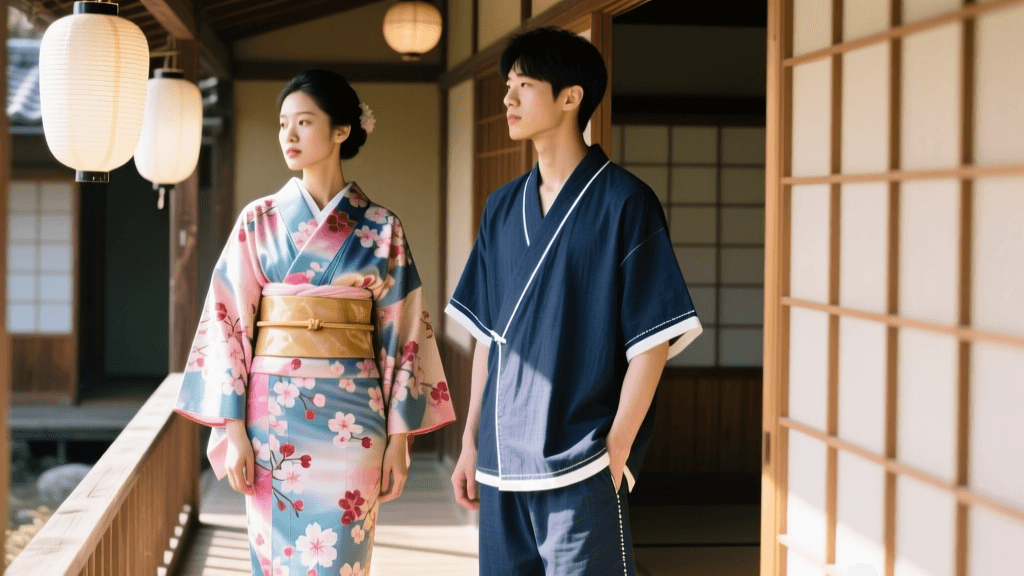
The yukata is a lightweight, unlined kimono typically made from breathable cotton or modern moisture-wicking blends. Historically, it originated as a bathrobe for the aristocracy during the Heian period (794–1185) before evolving into the everyday summer wear of the common people. Today, the yukata is the undisputed uniform of the Japanese summer festival. It is a single-piece, T-shaped robe that wraps left over right and is secured at the waist with a decorative sash known as an obi.
In 2026, the yukata has seen a renaissance in sustainable fashion. Leading textile brands in regions like Okayama and Kyoto are now utilizing organic cotton and natural indigo dyeing techniques that appeal to eco-conscious consumers. Furthermore, modern yukata often feature hidden pockets and adjustable hems, catering to the practical needs of contemporary wearers while maintaining a traditional silhouette. The yukata is considered semi-formal within the context of summer wear; it is entirely appropriate for fireworks displays (hanabi), bon odori dances, and evening strolls through historic districts.
Dressing in a yukata requires a bit of practice. It involves the use of koshi-himo (thin ties) to secure the robe, a date-jime (wide sash) to smooth the silhouette, and the outer obi, which is tied in intricate knots such as the bunko musubi (butterfly knot) for women. While it takes roughly 10 to 15 minutes to dress properly, the result is a striking, elegant look that commands respect at any cultural event.
The Jinbei: Ultimate Casual Comfort
If the yukata is the elegant ambassador of summer, the jinbei is its pragmatic, laid-back counterpart. The jinbei is a two-piece garment consisting of a kimono-sleeved top and matching shorts or cropped pants. Like the yukata, it wraps left over right, but instead of an obi, it is secured simply by tying strings at the waist and the side of the shorts. Originally worn as loungewear by samurai and artisans during the Edo period (1603–1867), the jinbei has evolved into a staple of modern streetwear and home life.
The Victoria and Albert Museum's Asian textile archives note that the jinbei's simple, unrestrictive cut was historically prized for its maximum airflow, a design philosophy that remains highly relevant today. In 2026, the jinbei has transcended its traditional gender and age boundaries. While historically associated with men and young children, contemporary fashion has embraced women's jinbei, featuring ruffled hems, lace accents, and longer inseams that blend traditional comfort with modern street style.
The jinbei is strictly casual. It is the garment of choice for lounging at home, running to the local convenience store, or attending a highly informal neighborhood shrine festival. It requires zero accessories and can be put on in under two minutes. For the intense urban heatwaves of 2026, the jinbei's exposed legs and loose, two-piece construction offer unparalleled ventilation, making it a favorite among locals prioritizing comfort over formality.
Head-to-Head Comparison: Yukata vs. Jinbei
To help you decide which garment suits your 2026 summer itinerary, we have compiled a detailed comparison chart highlighting the functional and stylistic differences between the two.
| Feature | Yukata | Jinbei |
|---|---|---|
| Garment Structure | One-piece T-shaped robe | Two-piece (top and shorts/pants) |
| Formality Level | Semi-formal / Festival Wear | Ultra-Casual / Loungewear |
| Dressing Time | 10-15 minutes (requires obi and ties) | Under 2 minutes (string ties only) |
| 2026 Average Price | ¥5,000 - ¥15,000 (Entry to Mid-tier) | ¥2,500 - ¥6,000 |
| Climate Adaptability | Good, but full-length hem traps some heat | Excellent, maximum airflow via shorts |
| Footwear Pairing | Geta (wooden clogs) or Zori | Getas, sandals, or even sneakers |
| Best Occasions | Fireworks, major shrines, ryokan stays | Local matsuri, lounging, casual dining |
"While the yukata remains the undisputed icon of the Japanese summer festival, the jinbei has emerged as the pragmatic hero of the 2026 urban heatwave, offering unparalleled breathability without sacrificing cultural resonance."
Sizing and Fit Guide for 2026
One of the most common mistakes international visitors make is purchasing the wrong size. Unlike Western clothing, traditional Japanese garments rely heavily on length and wrapping techniques rather than strict chest or waist measurements.
Yukata Sizing
The most critical measurement for a yukata is the mitake (total length). For women, the ideal length should reach exactly to the ankle bone. This allows for the ohashori—the iconic fold at the waist that adjusts the length and creates a graceful silhouette. Standard women's yukata lengths hover around 130cm to 135cm. For men, the yukata should fall to the lower calf or ankle, but men do not create an ohashori fold; the garment is tied directly at the hips. Men's standard lengths typically range from 140cm to 150cm. In 2026, many online retailers offer custom hemming services, which is highly recommended if you fall outside the standard height range.
Jinbei Sizing
Jinbei sizing is much more aligned with modern Western apparel, typically offered in S, M, L, and LL. Because the garment is meant to be loose and breezy, the primary focus should be on the shoulder width and the inseam of the shorts. A well-fitted jinbei top should have shoulder seams that align with your natural shoulder line, while the shorts should sit comfortably at the natural waist without restricting movement. If you are between sizes, always size up for a jinbei to ensure maximum airflow during humid July and August evenings.
Styling and Accessories
Accessories can elevate your summer garment from basic to breathtaking. For the yukata, the obi is your canvas. In 2026, pre-tied obi belts with wire cores are incredibly popular, allowing beginners to achieve a flawless, professional-looking knot in seconds. Footwear is equally important; geta (wooden clogs) are the traditional choice, but they require practice to walk in silently and comfortably. Opt for geta with cushioned straps to prevent blisters during long festival nights.
For the jinbei, styling is much more relaxed. While traditional geta are still worn, it is entirely acceptable in 2026 to pair a stylish, dark-wash denim jinbei with clean, minimalist sneakers or leather sandals. Accessories for the jinbei lean toward the practical: a simple cotton tenugui (hand towel) tucked into the waistband to wipe away sweat, and a lightweight rattan or bamboo crossbody bag to hold your essentials. According to the Kyoto City Official Guide, visitors exploring historic streets like Ninenzaka and Sannenzaka are encouraged to wear comfortable, secure footwear, making sneaker-paired jinbei a highly practical choice for extensive walking.
Care and Maintenance
Both garments are designed for easy care, a necessity in the sweaty summer months. Most modern cotton yukata and jinbei can be machine washed, but they must be treated gently. Use a mesh laundry bag, wash on a delicate cycle with cold water, and use a neutral detergent. Never use a tumble dryer, as the intense heat will shrink the cotton and ruin the garment's precise measurements. Instead, smooth out the seams and hang the garment to dry in the shade. Direct sunlight can cause the vibrant 2026 summer dyes—especially natural indigos and botanical prints—to fade prematurely.
Conclusion: Which Should You Choose?
The choice between a yukata and a jinbei ultimately depends on your itinerary and comfort priorities. If your 2026 travels include attending a major fireworks festival, visiting a historic temple in the evening, or staying at a traditional ryokan, the yukata is the mandatory choice. It offers a deeply immersive cultural experience and unparalleled photographic elegance. However, if your plans involve navigating crowded, sweltering street food alleys, lounging at a local park, or simply prioritizing thermal comfort during a severe heatwave, the jinbei is your best ally. By understanding the distinct roles of these two incredible garments, you can embrace the Japanese summer with both style and cultural authenticity.