Yukata vs Jinbei: The 2026 Summer Casual Wear Guide
The 2026 Summer Climate and Traditional Garments
As summer 2026 approaches, travelers and fashion enthusiasts alike are preparing for the vibrant festival season in Japan. The Japanese summer is notoriously hot and humid, with temperatures frequently soaring above 35°C (95°F) in major cities like Tokyo and Kyoto. To combat the sweltering heat while maintaining cultural elegance, Japanese wardrobes rely heavily on two traditional garments: the yukata and the jinbei. While both are rooted in Japanese history and designed for warm weather, they serve distinctly different purposes, carry unique cultural weights, and require different styling approaches. Whether you are packing for a summer trip to Japan, attending a local Bon Odori dance, or simply looking to incorporate breathable, culturally rich loungewear into your daily rotation, understanding the nuances between these two garments is essential.
In recent years, the global appreciation for Asian traditional garments has surged, driven by a desire for sustainable, natural-fiber clothing that offers an antidote to fast fashion. In 2026, both yukata and jinbei have seen modern reinterpretations, blending centuries-old silhouettes with contemporary textile innovations. This comprehensive guide will break down the structural, cultural, and practical differences between the yukata and the jinbei, helping you make an informed choice for your summer wardrobe.
Understanding the Yukata: Elegance Meets Breathability
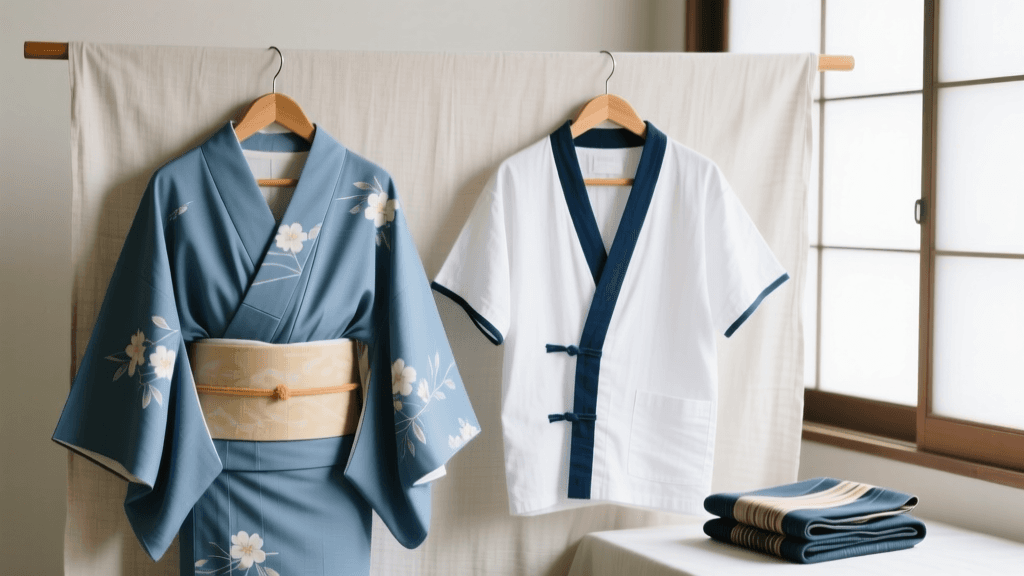
The yukata is a lightweight, unlined cotton kimono. Historically, it originated as a bathing robe worn by the aristocracy during the Heian period before evolving into the casual summer streetwear of the Edo period. Today, it is the quintessential garment for summer festivals (matsuri), fireworks displays (hanabi), and staying at traditional ryokan inns. According to the Metropolitan Museum of Art, the evolution of the kimono and its lighter variants like the yukata reflects centuries of shifting social classes, textile availability, and aesthetic philosophies in Japan.
A traditional yukata is a T-shaped robe with straight seams and wide sleeves. It is wrapped left over right (right over left is strictly reserved for dressing the deceased) and secured with a specialized belt called an obi. In 2026, the yukata market has expanded to include 'cooling tech' cotton blends and pre-tied, one-piece obi belts that make dressing significantly easier for beginners and international tourists. The patterns range from classic indigo-dyed geometric shapes and morning glories to modern, AI-assisted digital prints featuring abstract art and pop-culture motifs.
Key Components of a Yukata Outfit
- Yukata Robe: The main garment, typically made of 100% cotton or a cotton-linen blend.
- Obi: The belt. Women often wear a wider, more decorative obi, while men wear a narrower, simpler kaku obi.
- Koshihimo: Thin cotton ties used to secure the robe in place before the obi is wrapped.
- Geta or Zori: Traditional wooden clogs or woven sandals worn with split-toe socks (tabi), though bare feet in geta are common for casual summer wear.
- Kin-chaku: A small, drawstring bag used to carry essentials like a smartphone, fan, and wallet.
The Rise of the Modern Jinbei: Casual Comfort Redefined
If the yukata is the equivalent of a summer sundress or a smart-casual linen suit, the jinbei is the traditional Japanese equivalent of premium loungewear or resort wear. Originally worn by working-class men and artisans during the Edo period, the jinbei has transcended its humble origins. Today, it is a beloved two-piece garment consisting of a short-sleeved, wrap-style top and matching shorts or cropped trousers.
The defining feature of the jinbei is its side-ties. Instead of a complex obi, the top is secured with simple woven strings at the side, and the shorts feature an elastic or drawstring waistband. This makes the jinbei incredibly easy to put on and take off, requiring zero specialized knowledge or dressing assistance. In 2026, the jinbei has experienced a massive renaissance in gender-neutral fashion. Brands are releasing oversized, relaxed-fit jinbei sets in sophisticated earth tones, utilizing premium slub linen and seersucker cotton that provide exceptional airflow.
As noted by cultural travel resources like Japan Guide, while the kimono and yukata are highly visible in tourist districts and festival grounds, the jinbei remains the authentic, everyday choice for locals seeking comfort during the peak of August. It is common to see locals wearing jinbei while walking to the neighborhood convenience store, tending to their gardens, or enjoying a casual evening breeze on their balconies.
Head-to-Head Comparison: Yukata vs. Jinbei
To help you decide which garment suits your 2026 summer plans, we have compiled a detailed comparison chart covering everything from formality to average retail pricing.
| Feature | Yukata | Jinbei |
|---|---|---|
| Silhouette | One-piece T-shaped robe, full-length | Two-piece set (short-sleeve top and shorts/pants) |
| Formality Level | Smart-casual to semi-formal (festival appropriate) | Strictly casual / Loungewear / Resort wear |
| Dressing Difficulty | Moderate to High (requires tying an obi) | Very Low (simple side-ties and drawstrings) |
| Typical 2026 Price | $40 - $150 USD (Complete set with obi) | $25 - $80 USD (Complete two-piece set) |
| Primary Fabrics | Crisp cotton, cotton-poly blends, silk-cotton | Waffle cotton, slub linen, seersucker, jersey |
| Standard Footwear | Geta (wooden clogs) or Zori (sandals) | Bare feet, casual sandals, or minimalist sneakers |
| Best Occasions | Fireworks festivals, temple visits, Bon Odori, Ryokan | Home lounging, neighborhood strolls, casual beach trips |
2026 Styling Trends and Accessories
Fashion is never static, and traditional Japanese garments are no exception. In 2026, the styling of both yukata and jinbei has adapted to modern urban lifestyles, blending heritage aesthetics with contemporary streetwear sensibilities.
Yukata Styling in 2026
The modern yukata aesthetic leans heavily into 'Taisho Roman' revival—mixing vintage, slightly muted floral patterns with bold, contrasting obi belts. A major trend this year is the integration of modern accessories. Instead of traditional wooden geta, which can cause blisters for those unaccustomed to them, many young fashionistas are pairing their yukata with thick-soled platform sandals or customized leather Mary Janes. Crossbody leather micro-bags have also largely replaced the traditional kin-chaku for city dwellers who need hands-free convenience while navigating crowded train stations.
Jinbei Styling in 2026
The jinbei has firmly crossed over into the realm of elevated streetwear. The 2026 trend dictates wearing a premium linen jinbei top untucked over a plain white ribbed tank top, paired with tailored wide-leg trousers instead of the matching shorts. For footwear, the jinbei is increasingly being paired with clean, minimalist white sneakers or woven leather mules, creating a relaxed, resort-ready silhouette that works just as well in a Tokyo cafe as it does on a beach in Okinawa. Gender-neutral sizing is now the industry standard for major jinbei retailers, emphasizing drape and comfort over restrictive tailoring.
Etiquette: Where to Wear What
Understanding the cultural boundaries of these garments is crucial to showing respect and feeling comfortable in Japan. Wearing a jinbei to a formal tea ceremony or a high-end kaiseki dinner would be considered highly inappropriate, just as wearing a full, elaborate yukata to a local 7-Eleven would draw amused stares.
- Fireworks Festivals (Hanabi Taikai): The yukata is the undisputed champion here. It is a time to dress up, take photos, and participate in the festive atmosphere. Jinbei is acceptable for young children or very casual, crowded local viewing spots, but yukata is preferred.
- Bon Odori (Summer Dances): Both are acceptable. Yukata is common for those participating in the traditional circle dances, while jinbei is frequently worn by older attendees or those prioritizing ease of movement in the summer heat.
- Ryokan (Traditional Inns): Ryokans typically provide a plain, often white or dark blue yukata for guests to wear during their stay. It is perfectly acceptable to wear this provided yukata to the inn's dining room and public baths. However, if you brought your own stylish, patterned yukata, you should change into the inn's plain yukata or your own pajamas before sleeping. Jinbei is excellent for lounging in your private room.
- Shrines and Temples: A modest yukata is appropriate for daytime shrine visits, provided it is not overly revealing or flashy. Jinbei is generally considered too casual (akin to wearing pajamas) for respectful shrine visits, unless it is a very rural, neighborhood shrine.
Sustainability and Care in 2026
As the global fashion industry faces increased scrutiny over its environmental impact, traditional Japanese garments offer a sustainable alternative. Both yukata and jinbei are typically constructed from natural fibers like cotton and linen, which are biodegradable and require less frequent washing than synthetic activewear. Furthermore, the straight-line cutting method used in kimono and yukata production generates almost zero fabric waste, a stark contrast to the curved cutting patterns of Western clothing that leave behind significant textile scraps.
Caring for your 2026 summer garments is straightforward. Most modern yukata are machine washable on a gentle cycle using a mesh laundry net to protect the seams. They should be hung to dry in the shade to prevent the vibrant dyes from fading in the harsh UV rays. Jinbei, especially those made from linen blends, should be washed in cold water and air-dried to maintain the fabric's natural texture and prevent excessive shrinkage. Ironing is rarely necessary for jinbei, as the natural crinkle of linen and seersucker is part of its charm, but a light steam can be applied to a cotton yukata to keep the collar crisp.
Sourcing Your Summer Wardrobe
If you are looking to purchase authentic or modern interpretations of these garments for the 2026 season, you have several excellent options. For high-quality, authentic yukata, visiting specialized kimono boutiques in Tokyo's Nihonbashi district or Kyoto's Gion district offers a bespoke experience. For budget-friendly, modern designs, major retailers like Uniqlo and GU release highly anticipated, limited-edition yukata and jinbei collections every May. These fast-fashion interpretations are incredibly popular, often selling out within days, and offer excellent value, typically ranging from $30 to $50 USD.
For international buyers, online marketplaces and specialized Japanese export boutiques have streamlined the shipping process, offering detailed sizing guides and video tutorials on how to tie various obi knots. Whether you choose the elegant, sweeping lines of the yukata for a night under the fireworks, or the breezy, effortless comfort of the jinbei for a relaxed morning at home, both garments offer a beautiful, breathable connection to Asian sartorial traditions, perfectly adapted for the modern summer.