2026 Hanfu Storage Rotation and Seasonal Care Guide
The Evolution of Hanfu Wardrobes in 2026
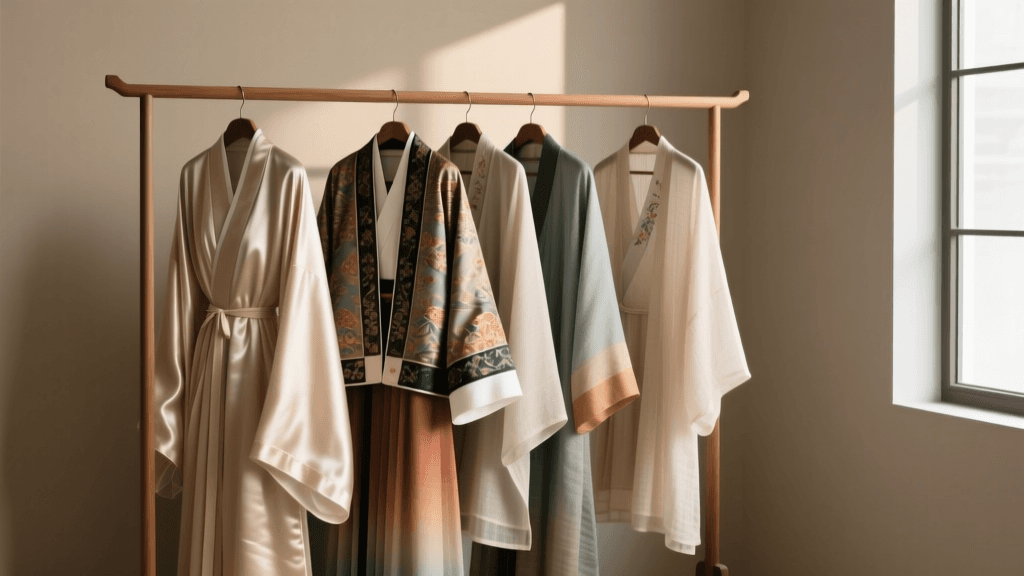
As the Xin Zhongshi (new Chinese style) movement continues to seamlessly integrate traditional silhouettes into everyday global streetwear in 2026, the modern Hanfu enthusiast's wardrobe is more extensive and valuable than ever. What was once reserved for special festivals is now a year-round lifestyle. However, this expansion brings a critical challenge: the proper preservation of delicate natural fibers. Traditional Asian garments rely heavily on mulberry silk, ramie, and intricate brocades that are highly susceptible to environmental degradation. A haphazard approach to closet organization can lead to permanent creasing, fiber rot, and tarnished metallic threads. This comprehensive 2026 guide outlines the exact seasonal rotation protocols and archival storage methods required to protect your investment and preserve the cultural integrity of your garments.
Understanding the Science of Hanfu Textiles
Before implementing a storage rotation, it is vital to understand the unique chemical and structural properties of traditional Asian textiles. According to the Canadian Conservation Institute's guidelines on textile storage, protein and cellulose fibers react differently to humidity, light, and physical stress.
- Mulberry Silk (Chou & Duan): A protein-based fiber that is incredibly strong yet vulnerable to alkaline substances, direct UV light, and high humidity. Silk can permanently yellow or become brittle if stored in acidic environments or exposed to sweat residues over the winter months.
- Ramie (Xia Bu): A bast fiber derived from the nettle family, prized for its breathability in summer Ruqun sets. Ramie is highly prone to hard, irreversible creasing if folded tightly under weight.
- Brocade and Zhuanghua: These complex, multi-layered weaves often incorporate metallic threads (historically gold or silver leaf, now often synthetic alloys). These threads can tarnish or snap if the garment is hung on standard hangers, which distort the weave's tension.
The Mamianqun Dilemma: Pleat Preservation
The Mamianqun (horse-face skirt) remains the cornerstone of the 2026 Hanfu wardrobe, but its structured pleats require specialized care. The flat front and back panels contrast with the densely knife-pleated sides. Hanging a Mamianqun on a standard wire or even a padded hanger can cause the heavy fabric to stretch, pulling the pleats out of alignment. For long-term seasonal storage, the 'scroll method' is highly recommended by textile conservators. This involves laying the skirt flat, aligning the pleats meticulously by hand, and rolling the garment around an archival-grade, acid-free cardboard tube wrapped in unbuffered tissue paper. This prevents hard creases and maintains the structural memory of the heat-set pleats.
The 2026 Seasonal Rotation Protocol
Transitioning your wardrobe from the lightweight gauze and linen of Spring/Summer to the lined Aoqun and heavy cloaks of Autumn/Winter requires strategic timing. Do not rotate your wardrobe on a humid or rainy day. Wait for a consecutive 48-hour window where your local ambient humidity drops below 50%. This ensures that no microscopic moisture is trapped inside the storage bins, which could lead to mold blooms during the off-season.
Step 1: The Pre-Storage Cleaning Phase
Never store a worn Hanfu garment, even if it appears clean. Human skin secretes oils and salts that are invisible to the naked eye but act as a magnet for pests and cause localized fiber degradation. For 2026, utilize pH-neutral, enzymatic textile cleaners specifically formulated for heritage silks. Avoid standard dry cleaning unless the facility specializes in historical garments, as the harsh perchloroethylene solvents used in commercial dry cleaning can strip the natural sericin coating from silk, leaving it dull and fragile.
Step 2: Archival Wrapping and Containment
Ditch the plastic dry-cleaning bags. Plastic traps off-gassing chemicals and prevents the fabric from breathing, leading to a phenomenon known as 'acid migration.' Instead, wrap each garment in unbuffered, acid-free tissue paper. According to the Victoria and Albert Museum's conservation department, unbuffered tissue is essential for protein fibers like silk and wool, as buffered (alkaline) tissue can cause chemical damage over time. Place the wrapped garments in breathable, unbleached cotton canvas storage boxes or archival polypropylene bins with gasket seals.
Smart Climate Control and Pest Management
The modern 2026 smart home ecosystem offers unprecedented control over micro-climates. Integrating smart hygrometers into your wardrobe or storage room is no longer a luxury; it is a necessity for serious collectors. Maintain a strict relative humidity (RH) between 45% and 55%, and a stable temperature around 65°F (18°C). Fluctuations in humidity cause fibers to expand and contract, leading to mechanical fatigue.
For pest management, abandon traditional naphthalene mothballs. The chemical fumes are not only toxic to humans but can chemically react with the metallic threads in brocades, causing irreversible blackening. Instead, utilize natural alternatives such as dried neem leaves, sandalwood blocks, or camphor wood chips, placed in breathable muslin sachets. Ensure these sachets never touch the fabric directly to prevent essential oil staining.
Hanfu Fabric Care and Storage Matrix
| Fabric Type | Garment Examples | Ideal Storage Method | Target Humidity (RH) | Pest Deterrent |
|---|---|---|---|---|
| Mulberry Silk (Chou) | Ruqun, Beizi, Shenyi | Folded with acid-free tissue in cotton boxes | 45% - 50% | Sandalwood blocks |
| Ramie (Xia Bu) | Summer tops, lightweight pants | Rolled on archival tubes to prevent hard creases | 50% - 55% | Dried neem leaves |
| Silk Brocade | Winter Ao, Mamianqun, Pifeng | Flat storage or rolled; avoid hanging | 45% - 50% | Camphor wood chips |
| Cotton/Linen Blends | Xin Zhongshi daily wear, Zhongyi | Padded hangers or neatly folded | 40% - 55% | Lavender sachets |
Travel and Transit: Protecting Garments on the Go
With international Hanfu meetups and cultural exchange programs expanding in 2026, traveling with your garments requires foresight. Never pack silk or brocade in standard vacuum-sealed compression bags. The extreme pressure crushes the three-dimensional weave of brocades and creates deep, permanent fracture lines in silk fibers. Instead, use a dedicated, rigid-sided garment carrier. Fold the garments loosely using the 'bundle wrapping' technique—wrapping the Hanfu around a soft core, like a clean cotton t-shirt, to prevent sharp folds. Upon arrival at your destination, immediately unpack and hang the garments in a steamy bathroom to allow the natural fibers to relax and release minor transit wrinkles without the direct heat of an iron.
Conclusion: Preserving the Legacy
The garments we wear are tangible links to centuries of Asian artistry, weaving technology, and cultural philosophy. As the Xin Zhongshi movement bridges the gap between ancient aesthetics and modern living, our responsibility to care for these textiles grows. By adopting the 2026 archival storage rotation protocols, utilizing smart climate monitoring, and respecting the unique biological makeup of traditional fibers, you ensure that your Hanfu collection remains vibrant, structurally sound, and ready to be passed down to the next generation of cultural custodians. Proper maintenance is not merely a chore; it is an act of profound respect for the artisans who wove the fabric of history.