Mindful Kitsuke: Blending Kimono Dressing & Zen in 2026
The Intersection of Kitsuke and Zen Mindfulness
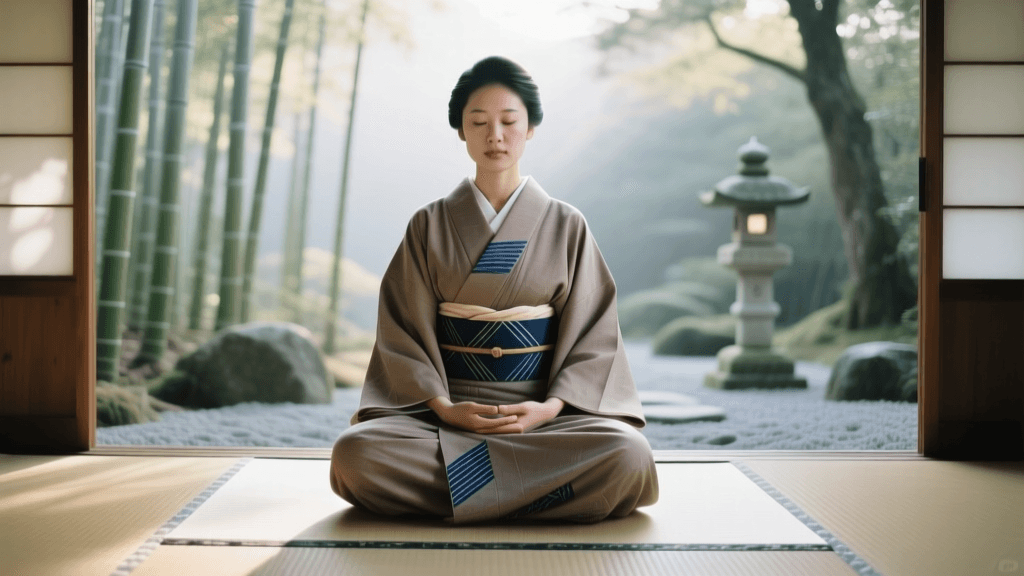
In 2026, the global wellness movement has pivoted sharply away from hyper-optimized biohacking and digital overload toward 'slow wellness' and ancestral mindfulness. At the heart of this cultural shift in Japan is the revival of mindful kitsuke—the traditional art of wearing a kimono, reimagined not merely as a sartorial choice, but as a profound moving meditation. For practitioners of Zen Buddhism and modern mindfulness enthusiasts alike, the physical act of dressing in traditional Japanese garments offers a tactile, rhythmic pathway to the present moment, perfectly complementing the stillness of zazen (seated meditation).
The concept of Ichigo Ichie (one time, one meeting), deeply rooted in the Japanese tea ceremony and Zen philosophy, translates seamlessly into the daily ritual of kitsuke. Every fold of the silk, every adjustment of the collar, and every tying of the sash is treated as a singular, unrepeatable event. By 2026, leading wellness retreats across Kyoto and Kamakura have begun integrating mindful dressing workshops into their morning schedules, recognizing that the preparation of the body is just as vital as the quieting of the mind.
The Philosophy of Flat-Pattern Cutting and Adaptation
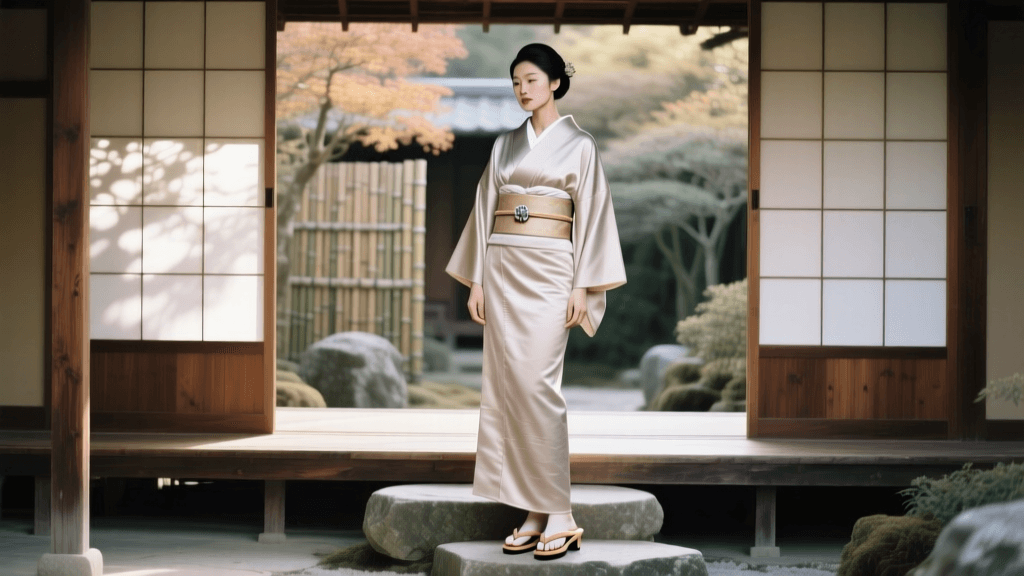
To understand why the kimono serves as such an effective tool for Zen practice, one must look at its fundamental construction. Unlike Western tailoring, which cuts fabric to conform to the curves of the human body, the kimono is constructed using a flat-pattern cutting method. As detailed by the Victoria and Albert Museum's Asian Collections, the kimono is made from straight bolts of fabric that create a T-shaped, linear silhouette.
This structural difference carries deep philosophical weight in a Zen context. The garment does not adapt to the wearer; rather, the wearer must adapt their posture to the garment. When you put on a kimono, you are gently forced to align your spine, relax your shoulders, and engage your core. This physical realignment mirrors the Zen teaching of adapting to reality as it is, rather than forcing the world to conform to your desires. The straight lines of the kimono act as a physical scaffold for the upright, dignified posture required in meditation.
Selecting the Right Garment for Zazen
While the formal silk kimono is a masterpiece of textile art, it is not always practical for the deep breathing and cross-legged positioning required in zazen. In 2026, practitioners and temple residents carefully select their meditation garments based on the season, the fabric's sensory properties, and the level of physical restriction. Below is a comparison of traditional garments utilized in modern Zen meditation practices.
| Garment Type | Primary Fabric | Breathability | Posture Support | Ideal Zazen Season |
|---|---|---|---|---|
| Samue | Cotton/Linen Blend | High | Moderate | Spring / Autumn |
| Yukata | Lightweight Cotton | Very High | Low | Summer |
| Ro Kimono | Sheer Silk Gauze | High | High (with Obi) | Late Summer |
| Formal O-Shaku | Heavy Silk | Low | Very High | Winter (Heated Dojo) |
The Samue, originally the work clothing of Zen monks, remains the most popular choice for daily meditation due to its ease of movement and breathable natural fibers. However, for special meditation sessions or tea ceremonies following zazen, the Ro kimono (a sheer, summer silk gauze) provides a cooling, sensory-rich experience that heightens mindfulness without the heavy restriction of winter silks.
The Sensory Experience: Anchoring Through Touch
Mindfulness relies heavily on 'anchoring'—using a physical sensation to pull a wandering mind back to the present. The sensory experience of kitsuke provides multiple anchors. The glide of cool silk against the skin, the crisp texture of woven linen, and the distinct rustling sound known as kinugoshi (the voice of silk) all serve to ground the practitioner.
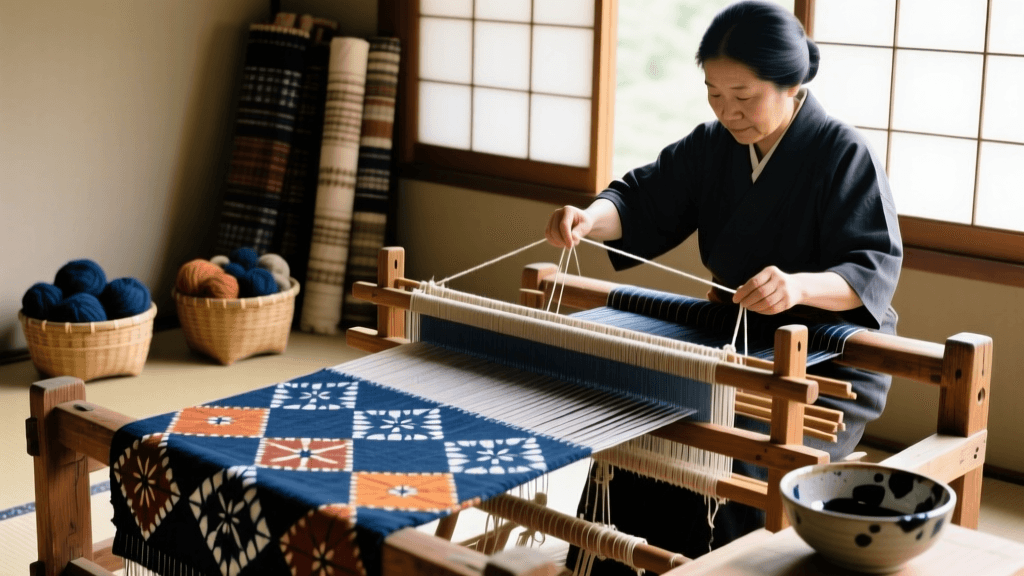
In 2026, there has been a massive resurgence in the use of natural indigo dyeing (aizome) for meditation garments. Beyond its striking visual depth, natural indigo is prized for its antibacterial properties and its subtle, earthy scent, which aromatherapists and Zen masters alike note for its ability to lower the heart rate and prepare the nervous system for deep meditative states.
The Meditative Rhythm of the Obi and Collar
The most critical element of kitsuke for a meditator is the tying of the obi (sash) and the adjustment of the eri (collar). The Soto Zen Official Guide to Zazen emphasizes that proper posture is the physical manifestation of Buddha-nature; the spine must be straight, the chin tucked, and the breathing centered in the hara (the lower abdomen).
When practicing mindful kitsuke, the tying of the datejime (the under-sash) is done with conscious, measured breaths. The sash must be tied firmly enough to support the lower back and remind the wearer to breathe deeply into the diaphragm, but never so tight that it restricts the natural expansion of the belly during zazen. Similarly, the collar is adjusted to leave exactly one fist of space between the collarbone and the fabric. This specific measurement ensures that the neck remains elongated and the airway open, preventing the drowsiness that can occur when the chin drops toward the chest during meditation.
2026 Temple Stays: The Rise of Mindful Dressing Retreats
The integration of garments and spirituality has not gone unnoticed by the cultural tourism sector. According to the Japan National Tourism Organization, 2026 has seen a record number of international and domestic visitors booking Shukubo (temple stays) that specifically advertise 'Mindful Kitsuke and Morning Zazen' itineraries. Temples in the Daitoku-ji complex in Kyoto now offer dawn workshops where guests are guided in silence through the process of dressing in a provided yukata or samue, followed immediately by a 45-minute zazen session in the main hall. This seamless transition from the active meditation of dressing to the passive meditation of sitting has proven highly effective for modern minds struggling with digital fatigue.
A Step-by-Step Guide to a Mindful Morning Kitsuke
To incorporate mindful kitsuke into your own morning routine, follow these actionable steps designed to cultivate presence and prepare the body for meditation:
- The Preparation (Mizu-shiki): Before touching your garment, wash your hands and face with cool water. Lay your kimono or samue flat on a clean surface. Take three deep breaths, setting the intention that this act of dressing is your first meditation of the day.
- The Nagajuban (Undergarment): Slip into your under-robe. Focus entirely on the sensation of the fabric settling onto your shoulders. Align the center seam perfectly with your spine, using it as a physical reminder to keep your back straight.
- The Outer Garment: Drape the outer kimono over your shoulders. Bring the right side across your body first, then the left (always left over right for the living). As you smooth the fabric down your hips, visualize shedding the anxieties and distractions of the outside world.
- The Collar Alignment: Reach back and pull the center seam down so it sits flush against the nape of your neck. Adjust the front collar to the 'one-fist' rule. Feel the natural elongation of your cervical spine.
- Tying the Sash: Wrap your sash or datejime around your waist. As you pull it taut, exhale fully. Tie the knot with deliberate, slow movements. Acknowledge the support the sash provides to your hara.
- The Final Bow: Stand before a mirror, not to judge your appearance, but to observe your posture. Bring your hands together in a slight bow (gassho), acknowledging the garment, the makers who wove the fabric, and the day ahead.
Conclusion
The intersection of kimono dressing and Zen spirituality is a testament to the Japanese cultural genius of embedding the sacred into the mundane. In 2026, as we seek refuge from an increasingly chaotic and digitized world, the mindful practice of kitsuke offers a tangible, wearable sanctuary. By treating the folding, wrapping, and tying of traditional garments as a moving meditation, we prepare not just our bodies, but our spirits, for the profound stillness of the zazen cushion.