Hanfu Travel Guide 2026: Packing Tips & Photo Destinations
The Renaissance of Hanfu Tourism in 2026
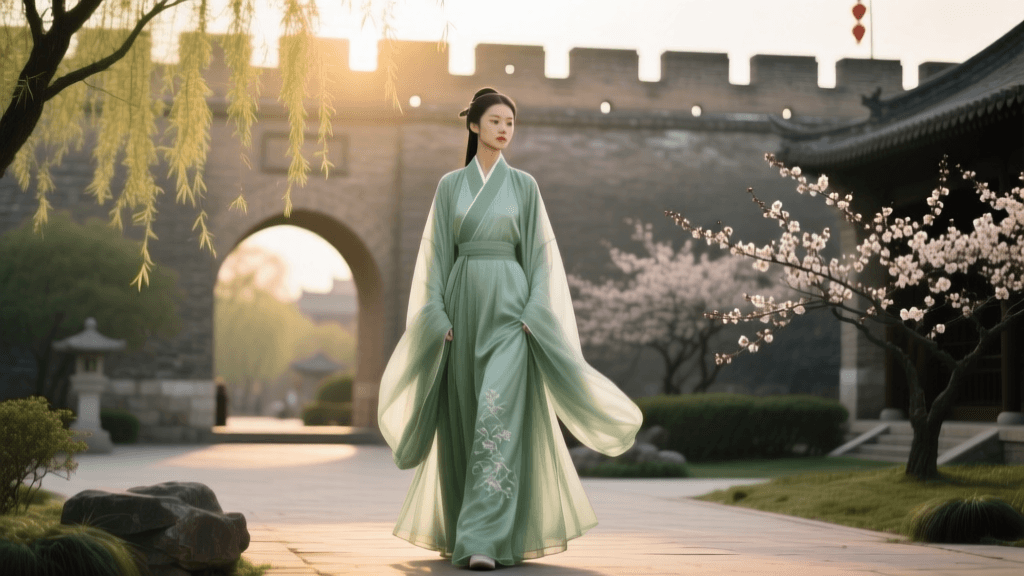
The global and domestic fascination with traditional Chinese clothing has transformed Hanfu from a niche historical hobby into a mainstream travel lifestyle. As we navigate through 2026, dedicated Hanfu tourism is a booming sector, with millions of enthusiasts traveling across Asia to capture breathtaking photographic portfolios in authentic historical settings. However, traveling with traditional garments presents unique logistical challenges. From delicate silk Ruqun to heavily structured Ming Dynasty Mamianqun (horse-face skirts), packing these garments requires specialized techniques to prevent irreversible creasing and fabric damage. According to recent cultural tourism reports highlighted by UN Tourism, heritage-based travel has seen a massive surge, with travelers increasingly prioritizing immersive, historically accurate wardrobe experiences. This comprehensive guide will equip you with the ultimate 2026 packing strategies, fabric maintenance protocols, and a curated list of the most photogenic destinations for your next Hanfu journey.
Essential 2026 Hanfu Packing Gear
Before you begin folding, assembling the right travel gear is crucial. Standard luggage simply will not suffice for structured traditional garments. Here is the essential packing list for the modern Hanfu traveler in 2026:
- Hard-Shell Garment Carriers: Brands like Samsonite and Tumi have released 2026 tri-fold garment bags specifically designed with rigid inserts to protect pleated skirts from being crushed in overhead compartments.
- Silicone Pleat Clips: Upgraded from the metal binder clips of the past, 2026's food-grade silicone Hanfu clips grip the waistband and hem of a Mamianqun without leaving rust marks or indentations on delicate brocade.
- Portable Smart Steamers: The Rowenta Compact Travel Steamer (2026 edition) features dual-voltage capabilities and a micro-pump that delivers continuous steam without spitting water, which is vital for water-sensitive silk damasks.
- Acid-Free Tissue Paper: Essential for buffering folds in embroidered jackets (Ao) to prevent the metallic threads from snagging or oxidizing during transit.
- Wrinkle-Release Sprays: Downy Wrinkle Release Travel Size is a staple for quick refreshes in hotel rooms when a full steaming session is impossible.
Fabric Analysis: Wrinkle-Resistance & Packing Methods
Not all Hanfu are created equal when it comes to travel. Understanding the textile composition of your garments will dictate your packing strategy. The Victoria and Albert Museum notes that historical Asian textiles require highly specific environmental controls; while modern travel reproductions are more durable, they still demand respect. Below is a comparative analysis of common Hanfu fabrics and their travel viability.
| Fabric Type | Wrinkle Risk | Best Packing Method | Ideal Destination Climate |
|---|---|---|---|
| Polyester/Chiffon | Low | Rolling or standard folding | Humid, Tropical (e.g., Southern China, Southeast Asia) |
| Silk Brocade (Zhuanghua) | High | Flat lay in rigid garment bag with tissue buffering | Dry, Cool (e.g., Northern China in Autumn) |
| Cotton/Linen Blends | Medium-High | Tight rolling with elastic bands over tissue | Temperate, Breezy (e.g., Coastal regions) |
| Wool/Ming Ao | Medium | Shoulder-hanger packing in garment cover | Cold, Winter (e.g., Beijing, Xi'an in December) |
Mastering the Mamianqun Fold
The Mamianqun, or horse-face skirt, is the crown jewel of the Hanfu wardrobe and notoriously difficult to pack due to its intricate accordion pleats. If packed incorrectly, the pleats will shift, resulting in a chaotic, uneven drape that requires hours of meticulous re-ironing. Follow this step-by-step preservation method:
- Align the Pleats: Lay the skirt completely flat on a clean bed. Carefully align every single pleat so the geometric pattern forms a continuous, flat surface.
- Secure the Waist and Hem: Apply your silicone pleat clips every four inches along both the top waistband and the bottom hem. This locks the structural integrity of the accordion folds.
- The Tissue Roll Technique: Instead of folding the skirt in half, which creates a harsh horizontal crease across the motifs, place a roll of acid-free tissue paper at the top edge and roll the skirt downward around the tissue. This creates a soft curve rather than a sharp fold.
- Protective Wrapping: Wrap the rolled skirt in a clean, breathable cotton sheet or a dedicated silk storage bag before placing it in the center of your suitcase, surrounded by softer items like undergarments to act as shock absorbers.
Top Hanfu Photography Destinations for 2026
Choosing the right destination is just as important as packing the right garments. In 2026, several cities have optimized their infrastructure to cater specifically to Hanfu tourists, offering dedicated changing rooms, historical accuracy consultants, and specialized lighting environments.
Xi'an: The Tang Dynasty Dreamscape
Xi'an remains the undisputed capital of Hanfu tourism. The Datang Everbright City comes alive at night with thousands of lanterns, providing an unparalleled backdrop for Tang Dynasty-style Qixiong Ruqun (chest-high skirts). In 2026, the city has expanded its Hanfu-friendly transit routes, allowing travelers to wear voluminous skirts on designated heritage buses without hassle. When visiting the ancient City Wall, opt for a structured Ming Dynasty Aoqun to contrast beautifully with the imposing grey brick architecture. For those interested in the deep historical roots of the region, the UNESCO World Heritage Centre provides extensive background on the preservation of these monumental sites, adding profound context to your photographic storytelling.
Hangzhou: Elegance of the Song Dynasty
For a more subdued, intellectual aesthetic, Hangzhou is the premier destination. The Song Dynasty aesthetic favors slender silhouettes, muted colors, and delicate bead-embroidered collars. The misty shores of West Lake and the bamboo forests surrounding Lingyin Temple offer ethereal, diffused natural lighting that is perfect for capturing the drape of lightweight silk garments. Spring 2026 in Hangzhou is particularly spectacular, with the weeping willows and peach blossoms creating a natural color palette that complements pastel Hanfu palettes perfectly.
Luoyang: Peonies and Wei-Jin Mystique
If you are traveling in April 2026, Luoyang's annual Peony Festival is a must-visit. The city's association with the Wei-Jin period makes it the ideal backdrop for the flowing, wide-sleeved, and unrestrained garments characteristic of that era. The dramatic, wind-swept drape of Wei-Jin style Hanfu photographs magnificently against the ancient stone carvings of the Longmen Grottoes.
On-the-Go Garment Care & Transit Etiquette
Traveling across China via the Fuxing high-speed rail network is incredibly efficient, but storing traditional garments in transit requires etiquette and strategy. Overhead racks on bullet trains can be cramped. Always board early to secure the large luggage alcoves at the ends of the train cars, where rigid garment bags can be hung or laid flat without being crushed by standard suitcases.
Once you arrive at your hotel, immediately unpack your Hanfu. Hang the garments on wide, velvet-lined hangers to allow gravity to pull out minor transit wrinkles. If you are dealing with stubborn creases on synthetic blends, a quick mist of Downy Wrinkle Release followed by a gentle tug on the fabric seams will relax the fibers. For authentic silk, never use chemical sprays; rely exclusively on the steam from a hot hotel shower or your portable Rowenta steamer, keeping the nozzle at least six inches away from the fabric to prevent water spotting.
Conclusion
Traveling with Hanfu in 2026 is a deeply rewarding experience that bridges the gap between historical reverence and modern exploration. By investing in the right protective gear, mastering the art of the Mamianqun fold, and selecting destinations that honor the aesthetic nuances of your garments, you ensure that your wardrobe remains as pristine as the memories you capture. Whether you are wandering the lantern-lit streets of Xi'an or meditating by the waters of Hangzhou, proper preparation allows you to step fully into the elegance of Asian traditions, completely unburdened by the stress of wrinkled silk.