2026 Kimono Secondhand Auctions & Value Appraisal Guide
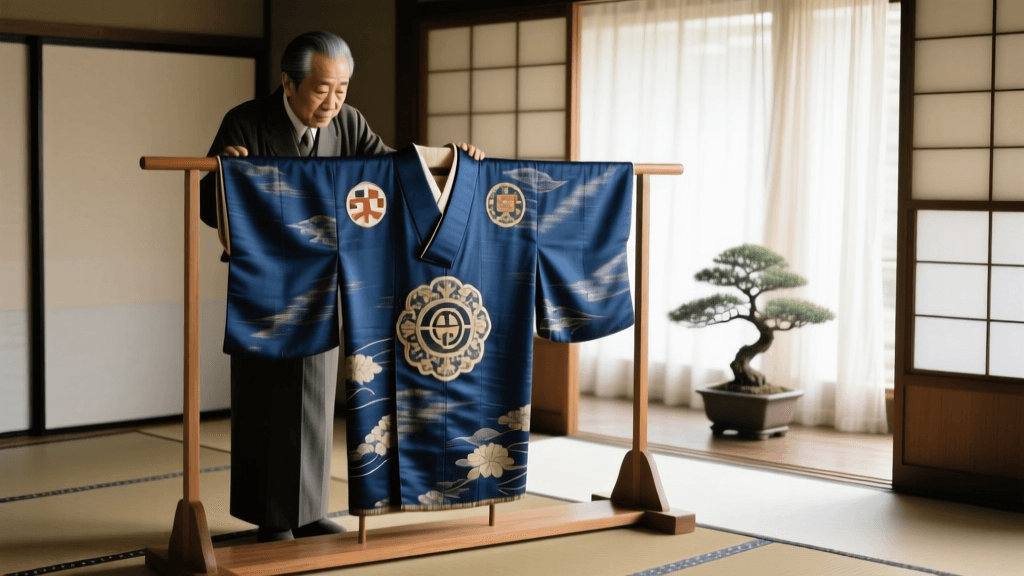
The 2026 Landscape of Secondhand Kimono Auctions
The global fascination with traditional Japanese garments has reached a sophisticated peak in 2026. As sustainable fashion movements and a deep appreciation for artisanal craftsmanship converge, the secondhand kimono market has evolved from a niche collector's hobby into a highly structured global auction ecosystem. For international collectors, fashion archivists, and cultural enthusiasts, understanding how to navigate Japanese secondhand markets and accurately appraise vintage pieces is essential. Today, platforms like Yahoo! Auctions Japan (Yahuoku) and specialized online estates remain the primary sources for acquiring authentic, high-quality garments at a fraction of their original retail value.
However, the barrier to entry for international buyers involves navigating language barriers, understanding complex proxy bidding services, and, most importantly, knowing how to evaluate a garment's true worth through photographs. In 2026, proxy services such as Buyee, ZenMarket, and Neokyo have streamlined the logistics, offering consolidated shipping and automated bidding. Yet, the responsibility of appraisal and authentication rests entirely on the buyer's knowledge of textile provenance, structural integrity, and formal ranking systems.
Core Factors in Kimono Value Appraisal
Appraising a vintage kimono requires a trained eye that looks beyond the surface beauty of the pattern. The true value of a garment is determined by a matrix of textile quality, formality, and condition.
Textile Provenance and Weave Techniques
The foundation of any kimono appraisal is the fabric. While polyester and wool blends exist in the secondhand market, serious collectors focus exclusively on silk. However, not all silk is created equal. The Metropolitan Museum of Art's Heilbrunn Timeline extensively documents the historical significance of regional Japanese weaving and dyeing techniques, which continue to dictate market value today.
- Oshima Tsumugi: Originating from Amami Oshima, this mud-dyed pongee silk is renowned for its lightweight, wrinkle-resistant properties and intricate kasuri (splash pattern) weaving. Authentic Oshima Tsumugi commands premium prices at auction, often identifiable by its distinct matte finish and the tactile warmth of the hand-spun silk.
- Kaga Yuzen: A resist-dyeing technique from Ishikawa Prefecture characterized by its realistic, painterly motifs and the signature 'insect-bitten' leaf edges. Kaga Yuzen pieces are highly prized for their artistic merit and the immense labor required to produce them.
- Nishijin-ori: Woven in Kyoto, this luxurious brocade is typically used for high-end obi (sashes) rather than the kimono itself. A vintage Nishijin-ori obi featuring genuine gold leaf thread (rather than modern metallic synthetic yarns) can sometimes exceed the value of the kimono it accompanies.
The Hierarchy of Kamon (Family Crests)
In the traditional Japanese dress code, formality is paramount. The presence and number of kamon (family crests) dyed into the silk immediately establish the garment's rank and, consequently, its baseline auction value.
- Itsutsu-mon (Five Crests): The highest level of formality. Crests are placed on the back of the neck, both sleeves, and both sides of the chest. These are typically reserved for weddings and highly formal ceremonies. A five-crest kurotomesode (black formal kimono) is a staple in high-value appraisals.
- Mitsumon (Three Crests): Placed on the back and sleeves. Indicates semi-formal wear, such as a houmongi (visiting wear).
- Hitotsumon (One Crest): Placed only on the back of the neck. Denotes informal or semi-casual wear like a komon.
Appraisers must also examine how the crest was applied. A hand-dyed or embroidered crest adds significant value, whereas a stenciled or printed crest indicates a lower-tier, mass-produced garment.
Condition Grading and Flaw Mapping
Japanese secondhand sellers utilize a specific grading system that international buyers must understand to avoid costly mistakes. In 2026, the standard auction grading scale remains consistent:
- Rank S / New: Unworn, often with the original shitsuke (basting threads) still intact. The fabric is crisp, and the lining is pristine.
- Rank A / Excellent: Worn but meticulously cared for. No visible stains, fading, or odors. Minor, unnoticeable flaws may exist on the inner lining.
- Rank B / Good: Noticeable wear. May feature minor shimi (age spots), slight sun fading on the shoulders, or minor fraying at the hem. These pieces are excellent for upcycling or casual wear.
- Rank C / Poor: Significant damage, including large stains, mold odors, or structural tearing. Usually sold for fabric salvage or craft projects.
2026 Pricing Benchmarks for Vintage Kimono
Understanding current market rates is crucial for setting maximum bid limits on proxy auction platforms. The table below outlines the average 2026 auction prices and professional appraisal values for key vintage categories.
| Kimono Type | Key Features | Avg. Auction Price (USD) | Appraisal Value (USD) |
|---|---|---|---|
| Kurotomesode | Black silk, 5 crests, hem pattern | $120 - $350 | $400 - $800 |
| Furisode | Long swinging sleeves, vibrant Yuzen | $150 - $450 | $500 - $1,200 |
| Houmongi | Continuous pattern across seams, 1-3 crests | $80 - $250 | $300 - $600 |
| Oshima Tsumugi | Mud-dyed pongee, kasuri weave | $200 - $600 | $800 - $2,500 |
| Haori (Jacket) | Hidden lining art, 1 crest | $40 - $150 | $150 - $400 |
Navigating Proxy Bidding and Authentication
When utilizing proxy services in 2026, the sheer volume of listings can be overwhelming. Successful bidders use precise Japanese search terminology. For example, searching for 'antique kimono' will yield vastly different results than 'recycled kimono'. Furthermore, adding terms like 'shitsuke ari' (basting threads present) is a highly effective filter for finding unworn, deadstock vintage pieces.
Authentication goes beyond reading the seller's description. According to textile conservation guidelines highlighted by the Victoria and Albert Museum, the structural integrity of a kimono is deeply tied to its hand-stitched origins. When examining auction photos, look closely at the seams. Authentic vintage kimono are constructed using a single, continuous running stitch that allows the garment to be entirely disassembled for cleaning and re-sewn. Machine stitching is an immediate red flag indicating a modern, mass-produced reproduction or a garment that has been improperly altered by a Western tailor, which drastically reduces its cultural and monetary value.
Inspecting the Doura and Kake-eri
Two critical areas dictate the longevity and true condition of a secondhand kimono: the doura (the upper body lining) and the kake-eri (the replaceable outer collar). The doura is typically made of a different, more durable silk or cotton blend. If auction photos show yellowing, brittleness, or dark staining on the doura, the garment has likely been stored in a humid environment, risking the structural integrity of the outer silk. The kake-eri, on the other hand, is designed to be removed and replaced when soiled by makeup or skin oils. A heavily stained kake-eri is not a dealbreaker; in fact, it presents an opportunity for the buyer to customize the garment with a new, contrasting collar, a common practice in modern kimono styling.
Red Flags in Auction Listings
Even in 2026, the secondhand market is not immune to misrepresentation. Buyers must be vigilant against the following red flags:
'Beware of listings that use heavy flash photography, which can artificially brighten faded silk and mask subtle water stains. Always request natural light photos or look for listings that provide macro shots of the hem and shoulder areas where sun damage is most prevalent.'
- Chemical Odors: While you cannot smell through a screen, sellers who explicitly mention 'storage smell' or 'naphthalene' (mothball odor) should be approached with caution. Removing deeply embedded chemical odors from vintage silk requires specialized, expensive ozone treatments that often exceed the garment's auction price.
- Mismatched Linings: If the interior lining features a modern synthetic texture or bright, unnatural colors inconsistent with the garment's estimated era, the kimono has likely been relined. While relining extends a garment's life, it alters its historical provenance and lowers its appraisal value for strict archivists.
- Crease Lines: Deep, permanent crease lines along the folds indicate improper long-term storage. Over decades, silk can actually fracture along these stress points. Always ask the seller if the fabric feels brittle along the fold lines.
Conclusion
The 2026 kimono secondhand market offers an unprecedented opportunity to acquire wearable art, preserve cultural heritage, and participate in sustainable fashion. By mastering the nuances of textile provenance, understanding the strict hierarchy of kamon, and learning to critically evaluate auction photography, collectors can confidently navigate Japanese proxy auctions. Whether you are bidding on a museum-quality Kaga Yuzen masterpiece or a casual, mud-dyed Oshima Tsumugi for daily wear, a rigorous approach to value appraisal ensures that your investment is both culturally respectful and financially sound.