How to Recreate Iconic Hanfu Styles from Chinese TV Dramas
The Cinematic Renaissance of Hanfu
Chinese historical dramas, widely known as C-dramas, have become a global cultural export, captivating audiences with their intricate plots, breathtaking cinematography, and, most notably, their spectacular costume design. From the ethereal, flowing robes of Xianxia (immortal fantasy) epics like The Untamed to the historically grounded, opulent court attire in Story of Yanxi Palace, television has served as the primary catalyst for the modern Hanfu revival. According to industry coverage by South China Morning Post, the Hanfu market has exploded into a multi-billion-dollar industry, driven largely by fans who want to step into the shoes of their favorite on-screen protagonists.
However, translating screen-accurate costumes into wearable, everyday, or convention-ready garments requires an understanding of traditional tailoring, fabric behavior, and layering techniques. This guide will decode the most iconic C-drama Hanfu styles and provide actionable advice on how to source, measure, and style them for real-world wear.
Decoding Screen-Accurate Silhouettes
Costume designers for C-dramas often blend historical accuracy with theatrical flair to enhance character archetypes. Understanding the distinction between these genres is the first step in building your wardrobe.
| Drama Genre | Signature Garment | Key Fabrics | Avg. Cost (USD) | Styling Context |
|---|---|---|---|---|
| Xianxia (Fantasy) | Daxiushan (Large Sleeve Robe) | Matte Chiffon, Organza, Silk Georgette | $80 - $180 | Photoshoots, Conventions |
| Wuxia (Martial Arts) | Yuanlingpao (Round Collar) + Bracers | Cotton, Linen, Faux Leather, Brocade | $60 - $140 | Daily Wear, Action Cosplay |
| Gongdou (Palace) | Mamianqun (Horse-face Skirt) + Ao | Heavy Jacquard, Woven Brocade, Satin | $120 - $300+ | Formal Events, Festivals |
Xianxia: The Ethereal Immortal
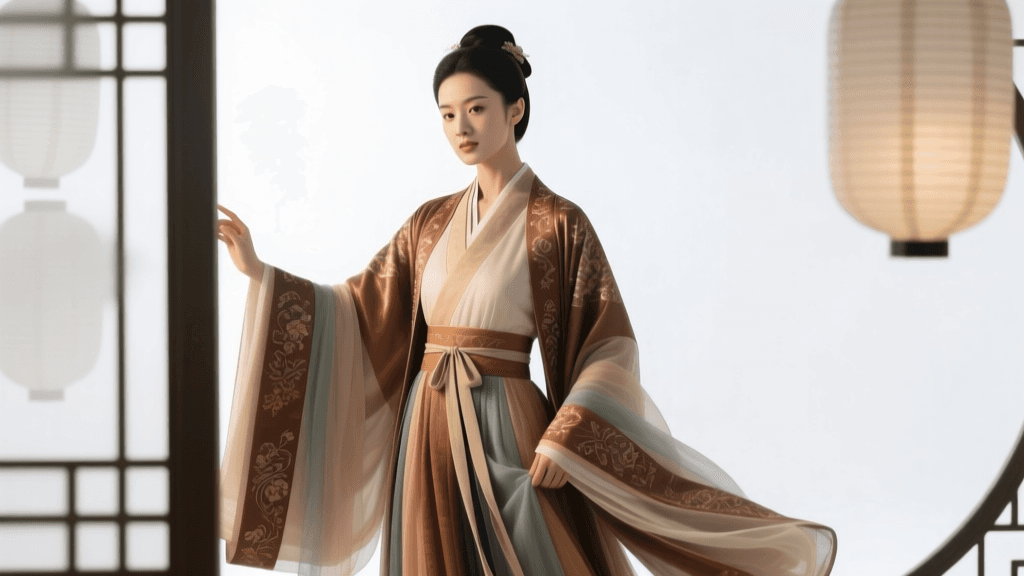
Xianxia dramas rely heavily on the Daxiushan (large-sleeved robe) to convey a sense of otherworldly grace. The key to this look is movement. Costume designers use lightweight, semi-sheer fabrics like silk georgette and matte chiffon that catch the wind. To recreate this, avoid cheap, shiny polyester, which looks artificial on camera and in person. Instead, opt for layered chiffon with subtle gradient dyeing or delicate metallic thread embroidery along the cuffs and lapels.
Wuxia: The Pragmatic Warrior
Martial arts dramas require garments that allow for high-impact choreography. The Yuanlingpao (round-collar robe) or Jiaolingpao (cross-collar robe) is typically paired with leather or thick fabric bracers (huan) to bind the sleeves. When sourcing Wuxia-style Hanfu, look for cotton-linen blends or textured weaves that provide structure and durability. Darker, earth-toned color palettes with subtle woven motifs are highly characteristic of the wandering swordsman archetype.
Gongdou: The Imperial Court
Palace intrigue dramas showcase the height of Ming and Qing dynasty fashion. The Mamianqun (horse-face skirt) is the undisputed star here, characterized by its flat front and back panels with deep, structured pleats on the sides. For a screen-accurate royal look, invest in heavy woven jacquard or brocade skirts featuring traditional motifs like dragons, phoenixes, or peonies. These skirts are heavy, drape beautifully, and require a structured, long-sleeved Ao (jacket) to balance the proportions.
The Blueprint: Measurements and Layering
Buying Hanfu is not like buying modern Western clothing; standard S/M/L sizing is often insufficient for achieving a drama-accurate silhouette. You must understand traditional measurements.
Mastering the 'Tong Xiu' (Sleeve Span)
In C-dramas, the grandeur of a character is often dictated by their sleeve width, known as Tong Xiu.
- Wide Sleeves (Guangxiu): Often measuring 1.8 to 2.2 meters across the arm span. This is essential for Xianxia and Court styles to achieve the dramatic 'waterfall' effect when the arms are lowered.
- Narrow Sleeves (Zhaixiu): Measuring around 1.2 to 1.4 meters. Ideal for Wuxia styles or everyday wear, allowing for practical movement without sacrificing the traditional aesthetic.
The Art of the Collar Layering
A common mistake among beginners is failing to layer the collars correctly. The traditional rule is Jiao Ling You Ren (crossing the collar to the right). Furthermore, to achieve that polished, high-budget drama look, the white collar of your inner garment (Zhongyi) must peek out exactly 1 to 2 centimeters above the outer robe. This crisp, white border frames the face and separates the layers, preventing the outfit from looking flat or muddy.
Sourcing: Where to Buy Drama-Quality Hanfu
As highlighted by CNN Style, the modern Hanfu movement has birthed a robust ecosystem of specialized brands that cater to both historical purists and drama-inspired fashionistas. Here is a practical guide to trusted brands based on your desired aesthetic:
- Ming Hua Tang: The gold standard for Ming Dynasty court attire. Their heavy brocades, real-gold embroidery, and impeccable pleating on Mamianquns are frequently referenced by high-budget drama costume departments. Budget: $150 - $500+
- Shisanyu: Excellent for elegant, historically grounded Song and Ming dynasty styles. They offer beautiful, wearable sets that capture the refined aesthetic of palace dramas without the extreme price tag. Budget: $60 - $150
- Chuni / Tingniang: These brands specialize in the romantic, flowing, and heavily embroidered Xianxia and fantasy styles. They are the go-to for recreating the ethereal looks seen in immortal cultivation dramas. Budget: $50 - $120
Pro Tip: Most authentic brands operate via Taobao or specialized international agents (like Superbuy or CSSBuy). Always check the brand's official flagship store to avoid counterfeit 'mountain' (shan) versions that use cheap, scratchy fabrics and stolen designs.
Essential Accessories for Screen-Accurate Styling
A Hanfu outfit is incomplete without its accompanying accessories, which ground the garment in its historical and narrative context.
- Ya Pei (Waist Pendants): In palace dramas, nobles wear intricate jade, pearl, or tassel pendants on their belts to weigh down the fabric and dictate a graceful, measured walking pace. For Xianxia, long, flowing silk tassels are preferred to catch the wind.
- Hair Styling: C-drama hairstyles are elaborate. For everyday wear, a simple half-up style secured with a wooden or jade Zanzi (hair stick) and a Guan (crown) for male-presenting or warrior styles will instantly elevate your look. Avoid modern plastic clips; invest in carved wood, resin, or brass hairpins.
- Footwear: While dramas often hide footwear, traditional Yun Tou Xie (cloud-head shoes) made of embroidered silk or subtle leather boots are essential for completing the silhouette without breaking immersion.
Garment Care for Delicate Textiles
Drama-quality Hanfu often utilizes delicate weaves and metallic threads that require meticulous care.
"The longevity of traditional silk and jacquard garments relies entirely on proper maintenance. The structural integrity of a Mamianqun's pleats, for instance, can be permanently ruined by improper washing or high-heat ironing."
— Textile Conservation Guidelines, BBC Culture Feature on Traditional Garment Revival
- Washing: Never machine wash embroidered or brocade Hanfu. Hand wash in cold water using a pH-neutral silk detergent. For chiffon and organza, a gentle soak for 5 minutes is sufficient.
- Drying: Never wring out the fabric. Roll the garment in a clean, dry towel to press out excess water, then lay it flat on a drying rack away from direct sunlight to prevent color fading.
- Pleat Maintenance: To maintain the sharp pleats of a Mamianqun, hang the skirt by the waistband. If ironing is necessary, use a low-heat steam setting and always place a cotton pressing cloth between the iron and the metallic threads to prevent melting.
Conclusion
Recreating the magic of Chinese TV dramas through Hanfu is a deeply rewarding intersection of fandom, cultural appreciation, and personal style. By understanding the distinct silhouettes of different drama genres, investing in quality fabrics, and respecting traditional tailoring measurements, you can step out of the screen and into a beautifully crafted garment that honors the rich tapestry of Asian sartorial traditions.