Suzhou Silk Embroidery: Crafting Hanfu and Qipao Masterpieces
The Legacy of Su Xiu in Chinese Sartorial Arts
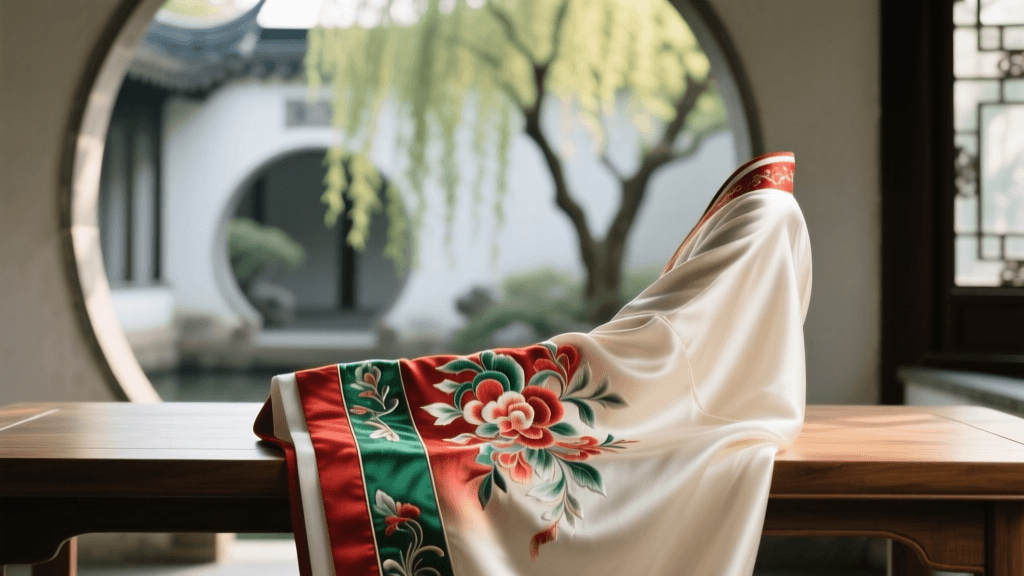
Suzhou embroidery, known as Su Xiu, is arguably the most celebrated of China's traditional textile arts. Originating in the Jiangsu province over 2,000 years ago, this meticulous craft has historically adorned the garments of royalty, scholars, and the elite. Today, Su Xiu is experiencing a profound renaissance, serving as the crowning jewel for modern Hanfu (traditional Han clothing) and bespoke Qipao (Cheongsam) creations. According to the Metropolitan Museum of Art, Chinese silk weaving and embroidery have long been central to the cultural and economic fabric of the region, with Suzhou emerging as the undisputed epicenter of needlework excellence during the Ming and Qing dynasties.
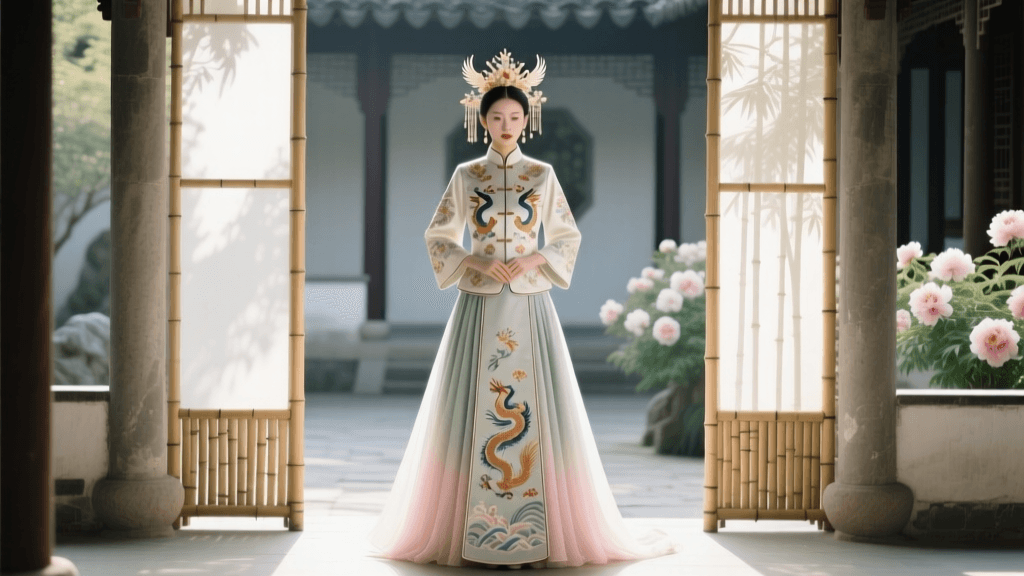
For modern enthusiasts and collectors, understanding the nuances of Su Xiu is essential. Whether you are commissioning a heavily embroidered Mamianqun (horse-face skirt) or a subtle, floral-motif Qipao, the integration of these ancient techniques dictates the garment's value, drape, and longevity. The UNESCO Intangible Cultural Heritage list recognizes the broader sericulture and silk craftsmanship of China, underscoring the global importance of preserving these labor-intensive textile arts.
The Four Great Embroideries of China
To appreciate Su Xiu, one must understand its place within the broader context of Chinese needlework. China is home to four major regional embroidery styles, each with distinct characteristics, stitch types, and cultural motifs.
| Style | Region | Key Characteristics | Common Motifs |
|---|---|---|---|
| Su Xiu | Suzhou, Jiangsu | Refined, elegant, flat stitching, masterful color blending, double-sided embroidery. | Koi fish, cats, peonies, delicate landscapes. |
| Xiang Xiu | Hunan | Bold colors, high contrast, realistic shading, often uses black and white ink-wash styles. | Tigers, lions, bold calligraphy. |
| Yue Xiu | Guangdong | Vibrant, intricate, uses gold and silver threads, highly textured. | Dragons, phoenixes, lychees, tropical birds. |
| Shu Xiu | Sichuan | Soft, smooth, even stitches, practical and durable, often features bordered edges. | Pandas, bamboo, lotus flowers, carp. |
The Anatomy of a Stitch: Silk Threads and Techniques
The true magic of Suzhou embroidery lies in a technique called Pi Xian (thread splitting). A single strand of mulberry silk thread is composed of 16 individual filaments. Master artisans will split these filaments to achieve microscopic precision. For the delicate scales of a koi fish or the fur of a cat, an embroiderer might use 1/16th, 1/32nd, or even 1/48th of a single silk thread. This allows for seamless color gradients that machine embroidery simply cannot replicate.
Artisans employ over 40 distinct stitch types, but three are foundational for garment creation:
- Ping Xiu (Flat Stitch): The most common stitch, used for filling large areas like flower petals or leaves with smooth, even color.
- Luan Xiu (Random Stitch): Intersecting stitches of varying lengths used to create texture, ideal for tree bark, rocks, or animal fur.
- Da Zi Xiu (Seed Stitch): Tiny, knotted stitches used for intricate details like the stamen of a flower or the eyes of a dragon.
'To embroider a single, lifelike koi fish using the double-sided technique (Shuang Mian Xiu), an artisan may spend up to four months working eight hours a day, utilizing hundreds of subtly shaded silk threads to capture the refraction of light through water.' — Master Artisan of the Suzhou Embroidery Research Institute.
Selecting the Right Silk Base Fabric
Embroidery is only as good as the canvas it rests upon. When commissioning a garment, the choice of base silk drastically affects the final outcome.
- Heavy Silk Crepe (Zhong Qiao): Weighing between 19 and 30 momme, this is the ideal base for Qipao. It provides enough structural integrity to support dense, heavy embroidery without warping or puckering the fabric.
- Xiangyunsha (Gambiered Canton Gauze): A premium, mud-dyed silk with a crisp, paper-like rustle. It is highly prized for luxury Hanfu. Because of its unique coating, embroidery on Xiangyunsha requires specialized, ultra-sharp needles to prevent snagging the delicate surface.
- Song Brocade (Song Jin): Often used for Hanfu jackets and collars, this woven silk features subtle background patterns that complement, rather than compete with, the overlaid Su Xiu embroidery.
Practical Guide: Commissioning an Embroidered Qipao or Hanfu
Ordering a bespoke, hand-embroidered garment is a significant investment. Proper preparation and clear communication with your tailor or embroidery house are vital.
Essential Measurements
A bespoke Qipao requires far more precision than standard Western tailoring. Be prepared to provide at least 15 specific measurements:
- Upper Body: Neck girth, shoulder width, bust (fullest part), underbust, waist (natural narrowest point), armhole depth, and bicep circumference.
- Lower Body: Hips (fullest part), high hip, waist-to-hip drop, and waist-to-knee.
- Garment Specifics: Total Qipao length (usually measured from the base of the neck to the desired hem, often 110cm to 130cm), slit height (typically 15cm to 25cm above the knee), and collar height (standard is 3.5cm to 5cm).
For a Hanfu Aoqun (jacket and skirt set), the measurements are slightly more forgiving but require precise arm span (fingertip to fingertip with arms outstretched) to ensure the traditional sleeve length and placement of the embroidered cuffs.
Cost and Timeline Expectations
Hand-embroidered garments are priced based on the density of the stitching, the complexity of the motif, and the artisan's skill level.
- Entry-Level Hand Embroidery (Apprentice/Journeyman): $800 – $1,500 USD. Features sparse, elegant motifs (e.g., a single plum blossom branch on a Qipao hem). Timeline: 2 to 3 months.
- Master-Level Custom Work: $2,500 – $6,000 USD. Dense, multi-colored embroidery covering 30% to 50% of the garment. Timeline: 6 to 9 months.
- Museum-Quality / Double-Sided Embroidery: $10,000 – $25,000+ USD. Reserved for ceremonial Hanfu or heirloom Qipao. Timeline: 12 to 18+ months.
How to Authenticate Handmade Silk Embroidery
With the rise of high-end computerized embroidery machines, distinguishing hand-stitched Su Xiu from machine-made replicas is a crucial skill for collectors.
- Inspect the Reverse Side: Machine embroidery relies on a continuous bobbin thread, resulting in a uniform, locked-stitch appearance on the back, often with a white or contrasting backing paper. Hand embroidery will show the ends of threads tied off meticulously, with slight, organic irregularities in tension.
- Examine the Color Gradients: A machine achieves shading by placing different colored threads side-by-side (cross-hatching). A hand embroiderer achieves shading by splitting a single thread and twisting two different colored filaments together before stitching, creating a seamless, optical blend.
- Feel the Texture: Hand-embroidered silk lies incredibly flat and integrates with the base fabric. Machine embroidery often sits stiffly on top of the fabric due to the high tension of the embroidery hoop and synthetic backing stabilizers.
Caring for Your Embroidered Silk Garments
Silk is a protein fiber, making it highly susceptible to damage from alkaline substances, heat, and friction. Institutions like the China National Silk Museum emphasize that improper care is the leading cause of degradation in historical and modern silk textiles.
Actionable Care Steps
- Washing: Never dry clean heavily embroidered silk unless absolutely necessary, as harsh chemicals can strip the silk's natural sericin coating and dull the embroidery threads. Instead, hand wash in cold water (strictly below 30°C / 86°F). Use a pH-neutral, enzyme-free detergent specifically formulated for silk and wool, such as Eucalan or The Laundress Delicate Wash.
- Drying: Never wring or twist the garment, as this will permanently distort the embroidery stitches. Lay the garment flat on a clean, dry cotton towel, roll the towel up like a sleeping bag to gently press out excess water, and then lay it flat on a mesh drying rack away from direct sunlight.
- Ironing: Iron the garment inside out while it is still slightly damp. Use the lowest heat setting (silk/synthetic) and always place a clean cotton press cloth between the iron and the fabric. Never iron directly over the raised embroidery threads, as this will crush them.
- Storage: Store embroidered garments in breathable, unbleached cotton garment bags. Never use plastic, which traps moisture and causes yellowing. Use cedar blocks or lavender sachets to deter moths; avoid traditional mothballs, as their chemical fumes will permanently stain and weaken silk fibers.
By understanding the profound history, technical brilliance, and precise care requirements of Suzhou silk embroidery, you do more than just acquire a garment. You become a custodian of one of Asia's most exquisite and enduring textile traditions.