Historical Kimono Trade Textiles: 2026 Sourcing Guide
The Silk Road and the Birth of Japanese Textile Artistry
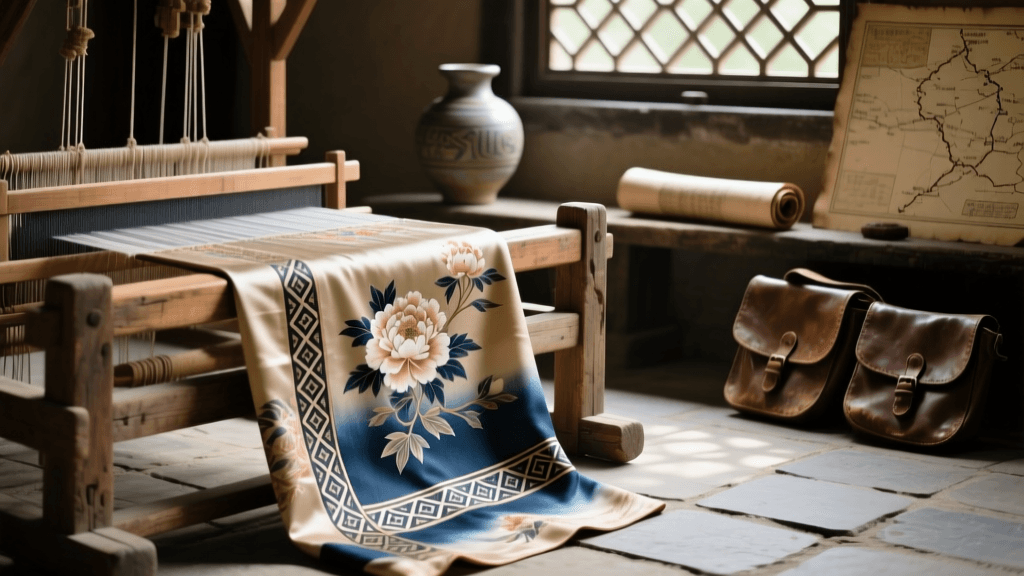
The kimono is universally recognized as the quintessential Japanese garment, yet its foundational textiles, motifs, and dyeing techniques are the result of centuries of vibrant international trade. Long before Japan's period of isolation, the ancient Silk Road served as a vital conduit for cultural and material exchange. As documented by the UNESCO Silk Roads Programme, the flow of goods from Central Asia, Persia, and China into Japan during the Nara (710–794) and Heian (794–1185) periods fundamentally altered the trajectory of Japanese fashion. The imperial court eagerly imported Chinese silk brocades, Persian roundel motifs, and advanced weaving technologies, which were subsequently localized into early Japanese garment traditions.
The Shosoin Repository in Nara, which houses 8th-century imperial treasures, contains stunning examples of these early trade-route textiles. Here, one can observe the direct influence of Sasanian Persian designs, such as the iconic lion and grapevine roundels, woven into silk using techniques imported from the Asian mainland. Understanding this rich history of importation is crucial for modern collectors and artisans. In 2026, the appreciation for these historically blended textiles has reached new heights, driving a specialized market for both antique preservation and contemporary artisanal revivals.
Maritime Routes: Dejima and the Dutch East India Company
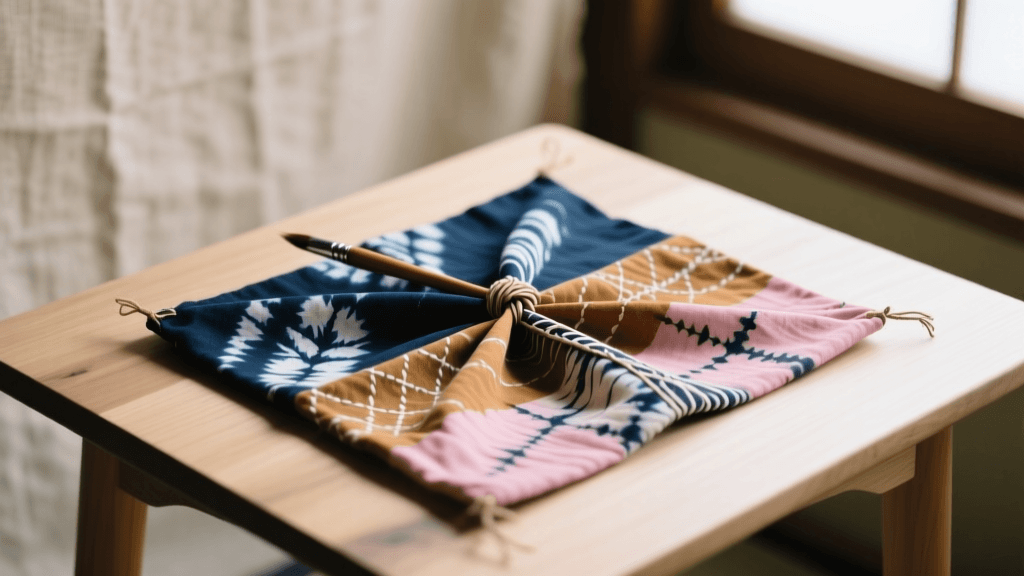
While the overland Silk Road shaped early Japanese textiles, the maritime trade routes of the Edo period (1603–1867) introduced an entirely new spectrum of materials. Despite the strict sakoku (closed country) policy, the artificial island of Dejima in Nagasaki remained a bustling hub for Dutch and Chinese merchants. Through this narrow window, Japan imported Indian chintz, European woolen broadcloths, and specialized mordant dyes that would eventually influence the development of regional dyeing techniques like Kaga Yuzen and Nagasaki Sarasa.
Indian cotton, prized for its vibrant, colorfast botanical prints, became a luxury commodity among the Edo merchant class. According to the Metropolitan Museum of Art's Heilbrunn Timeline of Art History, the integration of imported cotton and foreign dyeing chemistry allowed Japanese artisans to achieve unprecedented color palettes. Today, the legacy of these maritime imports is visible in the intricate, multi-colored Yuzen dyed kimono, which relies on the very resist-dyeing and mordant principles refined through centuries of international maritime exchange.
The 2026 Market: Sourcing Historical Trade-Route Textiles
As of 2026, the market for kimono textiles featuring historical trade-route influences is thriving, driven by a global resurgence in sustainable fashion and heritage craftsmanship. Collectors and contemporary kimono stylists are actively seeking out garments that showcase these cross-cultural narratives. Whether you are sourcing a vintage Meiji-era Nishijin-ori obi featuring Central Asian geometric patterns or commissioning a modern artisan to weave a silk bolt using historically accurate Persian motifs, knowing where and how to buy is essential.
Kyoto's Nishijin Textile District
For newly woven textiles that honor historical trade routes, the Nishijin district in Kyoto remains the premier destination. In 2026, several heritage weaving cooperatives in Nishijin have launched specialized collections focusing on 'Silk Road Revivals.' These artisans use imported, sustainably farmed silk from Uzbekistan and China, woven on traditional Jacquard looms to recreate 8th-century brocade patterns. A custom-woven bolt (approx. 12 meters long, 36 cm wide) from these specialized 2026 revival collections typically requires a three-month lead time and costs between ¥350,000 and ¥500,000.
Antique Markets and Vintage Sourcing
For authentic historical pieces, the Toji Temple Antique Market in Kyoto and the Oedo Antique Market in Tokyo are indispensable. In 2026, savvy buyers are specifically looking for late Edo and early Meiji uchikake (wedding overcoats) that feature imported gold thread and Indian-inspired floral motifs. When sourcing vintage, always verify the condition of the metallic threads, which were historically made by wrapping lacquered paper with thin strips of imported gold or silver foil.
2026 Pricing and Authentication Guide
Navigating the pricing landscape in 2026 requires an understanding of both the garment's age and the specific trade-route influences it embodies. Below is a structured comparison of highly sought-after textile categories, their historical origins, and current 2026 market valuations.
| Textile Category | Historical Trade Origin | Key Identifying Features | 2026 Average Market Price (USD) |
|---|---|---|---|
| Nishijin-ori Brocade Obi | Chinese & Persian Silk Road | Raised metallic wefts, roundel motifs, heavy stiff drape | $800 - $2,500 |
| Nagasaki Sarasa Cotton | Indian Maritime Chintz | Mordant-dyed botanicals, indigo bases, slight fabric stiffness | $300 - $900 |
| Meiji Yuzen Kimono | Synthetic Dyes (European Import) | Vivid purples and reds, intricate pictorial scenes, crepe silk | $1,200 - $3,500 |
| Ezo-ori (Ainu Elm Bark) | Local / Russian Border Trade | Coarse texture, geometric appliqué, traded cotton accents | $500 - $1,500 |
Note: Prices reflect early 2026 market data for pieces in excellent, wearable condition. Museum-quality antiques with documented provenance will command significantly higher premiums.
Authentication Markers for Trade-Inspired Textiles
- Motif Analysis: Look for the 'karahana' (Tang flower) or 'shippou' (seven treasures) patterns, which are direct descendants of Chinese and Buddhist imports via the Silk Road.
- Thread Composition: Antique metallic threads (pre-1950s) will often show a paper or animal-hide core when examined under a jeweler's loupe, whereas modern 2026 reproductions typically use synthetic film cores.
- Dye Bleed: Authentic Edo-period Indian-influenced sarasa cotton will exhibit a distinct, slightly uneven penetration of mordant dyes, unlike the perfectly uniform prints of modern roller-printed cottons.
Caring for Antique and Artisanal Trade-Route Garments
Preserving these historically significant garments requires specialized care, particularly because the imported materials and historical dyes react differently to modern environmental stressors. In 2026, conservation best practices dictate strict climate control. Garments featuring early imported synthetic dyes (such as the aniline reds introduced via European trade in the late 19th century) are highly susceptible to photodegradation. These pieces must be stored in acid-free, unbuffered tissue paper and kept in environments with a lux level near zero when not on display.
For textiles woven with imported metallic threads, humidity control is paramount. Fluctuations in humidity can cause the organic lacquer on historical metal foil strips to crack and flake. Maintain a stable relative humidity of 50% (±5%). When it comes to cleaning, never attempt to wash antique trade-route textiles at home. The intersection of Japanese silk with foreign mordants and metallic elements requires the expertise of a certified arakai (traditional kimono washing) specialist, who will use localized spot treatments rather than full immersion.
Conclusion
The kimono is not merely an isolated artifact of Japanese culture; it is a woven tapestry of global history. From the camel caravans of the Silk Road bringing Persian motifs to Nara, to the Dutch ships unloading Indian cotton in Nagasaki, international trade routes have profoundly shaped the aesthetics and techniques of Japanese garments. As we move through 2026, the ongoing revival and meticulous preservation of these trade-route textiles offer a beautiful reminder of fashion's enduring, borderless dialogue. Whether you are investing in a contemporary Nishijin revival piece or hunting for an Edo-period sarasa antique, you are participating in the continuation of a magnificent, centuries-old global exchange.