Yukata vs Jinbei: The 2026 Summer Casual Wear Guide
The Renaissance of Japanese Summer Garments
As the humid heat of the Japanese summer sets in, the streets of Kyoto, Tokyo, and Osaka transform into vibrant corridors of color, sound, and tradition. The summer festival season, known as matsuri, is a time when locals and visitors alike shed their modern western clothing in favor of breathable, culturally rich garments. In 2026, the revival of traditional craftsmanship combined with modern textile innovations has made Japanese summer wear more popular and accessible than ever. However, for those unaccustomed to the nuances of Japanese fashion, choosing the right attire can be daunting. The two undisputed champions of summer casual wear are the yukata and the jinbei. While both serve the essential purpose of keeping the wearer cool during sweltering temperatures and lively fireworks displays (hanabi taikai), they possess distinct histories, structural differences, and sartorial rules. This comprehensive guide will break down the yukata and jinbei, helping you navigate the 2026 summer festival season with confidence and cultural respect.
Understanding the Yukata: Elegance in Simplicity
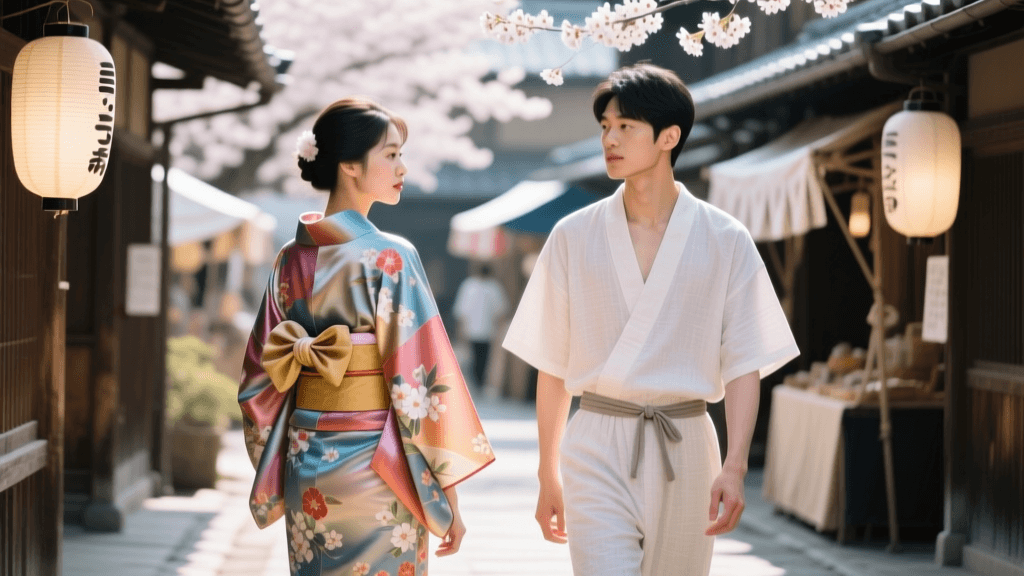
The yukata is a T-shaped, full-length robe that is essentially a lightweight, unlined kimono. Its origins trace back to the Heian period (794-1185), where it was initially known as the yu-katabira—a linen garment worn by the aristocracy to absorb moisture after bathing. By the Edo period (1603-1867), as public bathhouses became widespread and cotton cultivation flourished, the yukata evolved into the everyday casual wear of the common people. According to the Metropolitan Museum of Art's historical overview of Japanese dress, the transition from rigid, multi-layered silk kimono to the accessible cotton yukata marked a pivotal moment in the democratization of Japanese fashion.
In 2026, the yukata remains the quintessential garment for major summer events. It is characterized by its elegant drape, secured by an obi (sash) tied at the waist. Modern yukata are predominantly made from high-quality cotton, but the 2026 market has seen a massive surge in innovative fabric blends. Many contemporary brands are now weaving washi (traditional Japanese paper) yarns with cotton to create ultra-lightweight, moisture-wicking textiles that retain the crisp aesthetic of traditional fabrics while offering superior cooling properties. The patterns on a yukata often reflect the season, with morning glories, fireworks, goldfish, and bamboo being highly sought-after motifs for the summer months.
The Jinbei: From Loungewear to Festival Staple
If the yukata is the elegant older sibling, the jinbei is its relaxed, practical counterpart. A jinbei is a two-piece garment consisting of a short-sleeved, wrap-style top and matching shorts. Historically, the jinbei was strictly considered indoor loungewear or sleepwear for men during the humid summers. However, over the last decade, and accelerating rapidly into 2026, the jinbei has broken out of the home and become a fully acceptable outfit for local neighborhood festivals, casual fireworks viewings, and trips to the local onsen (hot spring) town.
The top of the jinbei fastens with a simple tie on the right side, while the shorts feature an elastic or drawstring waistband. A defining feature of the traditional jinbei is the side slits along the seams of the top and the loose fit of the shorts, designed specifically to maximize airflow against the skin. The most prized textile for a high-end jinbei is shijira-ori, a traditional weaving technique originating from Tokushima Prefecture. This technique creates a distinct seersucker-like texture that prevents the fabric from clinging to sweaty skin. In 2026, linen-cotton hybrid jinbei sets have become incredibly popular among younger demographics, offering a slightly more structured look that bridges the gap between traditional loungewear and contemporary streetwear.
2026 Head-to-Head Comparison Chart
To help you decide which garment best suits your summer itinerary, we have compiled a direct comparison of the yukata and jinbei based on 2026 market trends, pricing, and cultural usage.
| Feature | Yukata | Jinbei |
|---|---|---|
| Silhouette | T-shaped, full-length wrap robe | Two-piece (short-sleeve top and shorts) |
| Fastening | Wide obi belt (tied in a bow or knot) | Front tie for top; drawstring for shorts |
| Formality | Semi-casual (major festivals, dates, fireworks) | Casual (loungewear, local bon odori, errands) |
| Footwear | Geta (wooden clogs) with or without tabi socks | Bare feet in sandals or casual geta |
| Gender Norms | Worn universally by all genders | Historically male, now widely worn by all genders |
| Avg Price (2026) | $80 - $250 USD (excluding accessories) | $45 - $120 USD (full set) |
Footwear and Accessories: Completing the 2026 Look
Wearing the garment is only half the equation; styling it correctly is what separates a tourist from a culturally engaged traveler. For the yukata, footwear is non-negotiable. You must wear geta (elevated wooden sandals). In 2026, ergonomic geta with cushioned rubber soles and adjustable fabric straps (hanao) have become the standard for those planning to walk miles through crowded festival grounds. While traditionalists may insist on white tabi (split-toe socks), it is entirely acceptable to wear geta with bare feet in the peak of summer. For the jinbei, simple leather or woven sandals are perfectly appropriate, maintaining the outfit's laid-back ethos.
Accessories elevate the yukata to a complete ensemble. A kago (woven bamboo or rattan basket bag) is the preferred handbag, as modern leather bags clash with the traditional aesthetic. To combat the heat, carrying an uchiwa (rigid round fan) or a sensu (folding fan) is both a practical necessity and a stylish prop. For those with long hair, securing it in an updo adorned with a kanzashi (decorative hairpin) featuring seasonal floral motifs adds a touch of refined elegance. The Japan Guide's traditional clothing overview notes that the left-over-right wrapping rule is critical for both yukata and jinbei tops; wrapping right-over-left is strictly reserved for dressing the deceased and is considered a severe faux pas.
Etiquette and Occasion: When to Wear What
Understanding the contextual boundaries of these garments is essential for respectful participation in Japanese culture. If you are attending a major, highly publicized event such as the Gion Matsuri in Kyoto, the Sumidagawa Fireworks Festival in Tokyo, or a formal summer tea ceremony, the yukata is the mandatory choice. It shows respect for the occasion and aligns with the elevated atmosphere of the event. The sweeping hem of the yukata and the structured obi convey a sense of deliberate dressing that is highly valued in Japanese society.
Conversely, the jinbei is the undisputed king of the local, neighborhood bon odori (traditional summer dances) and casual trips to street food stalls (yatai). It is also the preferred attire for staying at a traditional ryokan (inn). Many ryokan provide high-quality jinbei sets for guests to wear to the communal baths and around the inn's grounds. Wearing a jinbei to a highly formal or distant festival might make you look underdressed, while wearing a full yukata to a quick evening stroll at the local convenience store might seem overly theatrical. According to the Japan National Tourism Organization (JNTO), matching your attire to the scale and intimacy of the festival is a key component of modern Japanese summer etiquette.
Sourcing Authentic Garments in 2026
The market for Japanese summer wear has expanded globally, but sourcing authentic, high-quality pieces requires a discerning eye. In 2026, fast-fashion retailers have flooded the market with polyester 'yukata' that trap heat and defeat the purpose of the garment. Always check the fabric composition label; authentic yukata and jinbei should be 100% cotton, linen, or a specialized washi-yarn blend. Polyester should be strictly avoided.
For the best selection, shopping in Japan remains the gold standard. In Tokyo, the Asakusa district and the streets of Yanaka offer countless boutiques specializing in both vintage and newly tailored pieces. Kyoto's Nishijin district is unparalleled for those seeking artisanal obi belts and premium cotton weaves. If you are shopping internationally, specialized Japanese textile importers and direct-to-consumer heritage brands from Okayama and Tokushima offer authentic jinbei sets that support traditional weaving communities. When purchasing a yukata, remember to factor in the cost of the obi, the obi-jime (decorative cord), and geta, as these are rarely included in the base price of the robe. Whether you choose the sweeping elegance of the yukata or the breezy comfort of the jinbei, embracing these garments is a beautiful way to connect with the living, breathing traditions of Japan's vibrant summer culture.