Modern Hanfu Fusion: Styling Traditional Chinese Wear Today
The Rise of Xin Hanfu and Fusion Fashion
The global fashion landscape is witnessing a profound shift as younger generations reconnect with their cultural heritage through clothing. In China, this movement is known as the Hanfu revival, which has rapidly evolved from a niche historical interest into a mainstream fashion phenomenon. According to industry reports covered by Reuters, the Hanfu market has exploded into a multi-billion dollar industry, driven largely by Gen Z and Millennial consumers who seek to integrate traditional aesthetics into their modern wardrobes. This has given birth to Xin Hanfu, or New Hanfu, a fusion fashion category that adapts historical Chinese garments for contemporary, everyday wear.
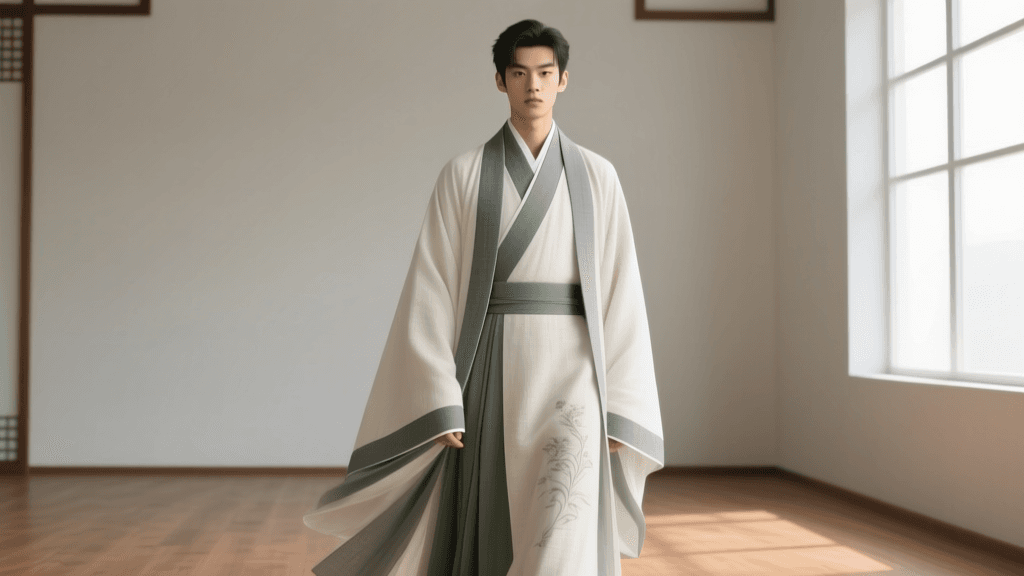
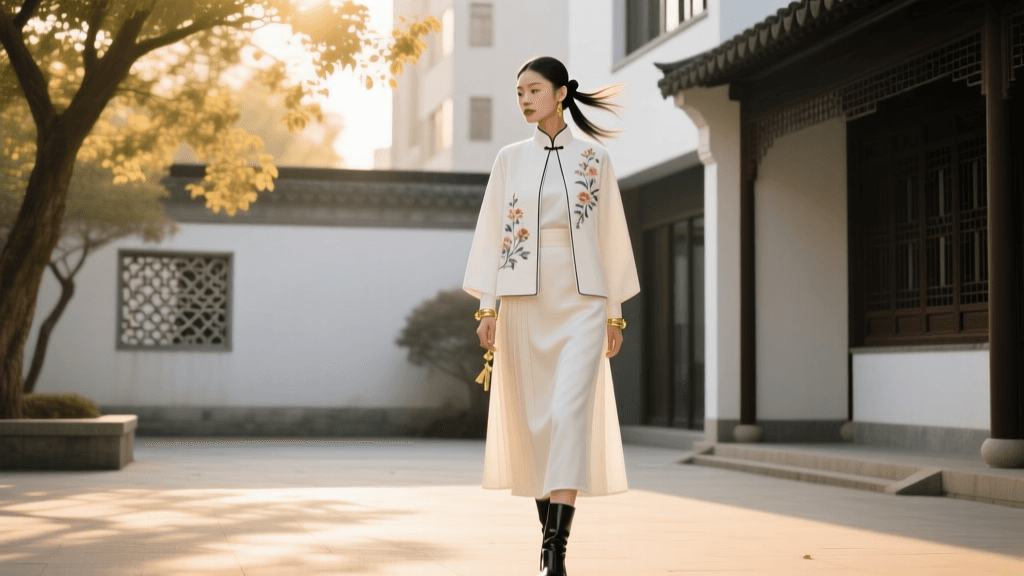
Unlike strict historical reenactment garments, Xin Hanfu prioritizes comfort, modern tailoring, and versatile styling. Designers are blending ancient silhouettes with modern fabrics, adjustable closures, and contemporary streetwear elements. As noted by BBC News, this revival is not merely about wearing old clothes; it is a dynamic reimagining of cultural identity that allows traditional Chinese garments to thrive in modern urban environments, from corporate offices to bustling streetwear scenes.
Core Garments for Modern Fusion Styling
To successfully incorporate traditional Chinese clothing into a modern wardrobe, it is essential to understand the foundational garments that lend themselves best to fusion styling. The following pieces are the cornerstones of the Xin Hanfu movement.
The Mamianqun (Horse-Face Skirt)
The Mamianqun is arguably the most popular garment in the modern Hanfu fusion movement. Originating in the Song and Ming dynasties, this pleated skirt features a flat front and back panel with pleated sides. In 2022, the Mamianqun gained international attention when global fashion houses faced scrutiny for appropriating its design, sparking a massive surge in domestic pride and production. Today, modern fusion Mamianqun skirts are crafted from durable polyester jacquard or breathable cotton-linen blends, making them perfect for daily wear. They pair exceptionally well with modern fitted turtlenecks, crisp button-down shirts, or even cropped leather jackets.
Song Dynasty Beizi (Long Jacket)
The Beizi is a long, open-front jacket with straight sleeves and side slits. Historically worn as an outer layer, the modern adaptation of the Beizi functions similarly to a contemporary duster coat or lightweight trench. Fusion versions often feature simplified embroidery, minimalist solid colors, and shorter lengths that hit at the mid-thigh rather than the ankle. This makes the Beizi an excellent layering piece for transitional weather, easily thrown over a simple t-shirt and jeans to add a touch of elegant, flowing movement to an otherwise casual outfit.
Ming Dynasty Standing Collar Shirts
Traditional Ming dynasty upper garments often featured standing collars fastened with metal or jade buttons. Modern adaptations retain the elegant neckline but replace delicate historical fasteners with secure snap buttons or hidden zippers. These shirts are frequently tailored with a slightly more fitted waist and shortened hemlines, allowing them to be tucked seamlessly into high-waisted modern trousers or Mamianqun skirts without adding excessive bulk.
Traditional vs. Modern Fusion: A Comparison
Understanding the differences between strict traditional Hanfu and modern Xin Hanfu is crucial for consumers looking to build a practical wardrobe. The table below outlines the key distinctions in design, fabric, and functionality.
| Feature | Traditional Historical Hanfu | Modern Xin Hanfu (Fusion) |
|---|---|---|
| Closures | Hand-tied fabric sashes and ribbons | Hidden zippers, elastic waistbands, snap buttons |
| Fabrics | Pure silk, raw hemp, delicate brocade | Polyester jacquard, cotton blends, washable synthetics |
| Skirt Lengths | Floor-sweeping, requiring specific posture | Ankle or mid-calf lengths (95cm to 105cm) for walking ease |
| Sleeve Shapes | Extremely wide and long (Pipa or broad sleeves) | Narrowed cuffs, trumpet sleeves, or standard wrist-length |
| Price Range | 1000 to 5000+ RMB (High maintenance) | 150 to 600 RMB (Accessible and durable) |
Practical Buying Guide: Sizing, Costs, and Timing
Purchasing Xin Hanfu requires navigating Asian sizing and understanding the e-commerce calendar to get the best value. Most authentic and high-quality fusion brands operate primarily on Taobao and Tmall.
Sizing and Measurements
Asian sizing typically runs smaller than Western sizing. When buying a Mamianqun, the most critical measurement is the waist. Traditional skirts rely on overlapping panels and ties, meaning a single size can often accommodate a 5cm to 8cm fluctuation in waist size. However, modern fusion skirts with zippers require precise measurements. Always measure your natural waist and compare it to the brand's specific size chart. For skirt lengths, a standard modern fusion Mamianqun comes in 95cm, 100cm, and 105cm. For a modern, streetwear-appropriate look that avoids tripping hazards, a 95cm or 100cm length that hits just above the ankle is highly recommended.
Cost Breakdown
- Entry-Level (150 - 300 RMB / $20 - $40 USD): Ideal for beginners. These pieces are usually made from printed polyester. While less breathable, they are highly durable, machine washable, and feature vibrant, fade-resistant patterns.
- Mid-Tier (400 - 800 RMB / $55 - $110 USD): The sweet spot for daily wear. Brands like Shisan Yu and Zhongling offer woven jacquard fabrics, better tailoring, and intricate metallic thread work that catches the light beautifully.
- High-End / Designer (1500+ RMB / $200+ USD): Reserved for special occasions. These feature premium silk blends, hand-embroidered motifs, and bespoke tailoring.
Timing Your Purchases
To maximize your budget, time your purchases around major Chinese e-commerce festivals. The 6.18 Shopping Festival (mid-June) and the Double 11 Global Shopping Festival (November 11) offer the steepest discounts. Many top Hanfu brands release exclusive seasonal collections during these windows, offering bundled deals where you can purchase a complete fusion set (top, skirt, and outerwear) at a 20% to 30% discount.
Styling Formulas for Everyday Occasions
The true power of Xin Hanfu lies in its versatility. Here are three actionable styling formulas to integrate these garments into your daily life.
The Office Professional
Pair a solid-colored, Ming-style standing collar shirt in crisp white or pale blue with a dark, subtly patterned 95cm Mamianqun. Swap traditional embroidered shoes for modern pointed-toe loafers or low block heels. The structured collar provides a professional, sharp silhouette, while the skirt offers elegant movement without violating corporate dress codes.
Urban Streetwear
Contrast is key for streetwear. Wear a heavily brocaded, dark-toned Mamianqun with an oversized, graphic vintage t-shirt. Layer a modern denim jacket or a cropped leather moto jacket over the top. Finish the look with chunky sneakers or combat boots. The juxtaposition of ancient weaving techniques with gritty, modern streetwear elements creates a striking, fashion-forward aesthetic.
Weekend Cafe Casual
For a relaxed weekend look, use a lightweight, cotton-linen Song Dynasty Beizi as a duster over a simple ribbed tank top and high-waisted straight-leg jeans. The side slits of the Beizi will drape beautifully over the denim, providing a soft, romantic layer that is perfect for transitional spring or autumn weather.
Garment Care and Maintenance
Modern fusion Hanfu is designed for easier care than its historical counterparts, but proper maintenance is still required to preserve the pleats and metallic threads of garments like the Mamianqun. Always wash jacquard and brocade skirts on a gentle, cold-water cycle inside a mesh laundry bag to prevent snagging. Never use a tumble dryer, as high heat will melt synthetic metallic threads and destroy the heat-set pleats. Instead, hang the skirt on a clip hanger in a shaded, well-ventilated area. If the pleats begin to loosen over time, you can restore them by carefully folding the pleats back into place, securing them with binder clips, and lightly pressing them with a steam iron on a low synthetic setting.
Conclusion
The modern adaptation of traditional Chinese clothing represents a vibrant intersection of history and contemporary design. By understanding the core garments, mastering modern sizing, and applying thoughtful styling techniques, anyone can seamlessly integrate the elegance of Xin Hanfu into their everyday wardrobe. This fusion of past and present ensures that Asian sartorial traditions continue to evolve, remaining relevant and breathtakingly beautiful in the modern era.