Yukata vs Jinbei: The 2026 Japanese Summer Fashion Guide
Introduction to Japanese Summer Garments
Summer in Japan is a vibrant, sensory-rich season defined by the crackle of fireworks (hanabi), the rhythmic chants of neighborhood festivals (bon odori), and the sweltering, humid heat of the East Asian monsoon season. To navigate this climate while maintaining cultural elegance, Japanese wardrobes undergo a seasonal shift toward lightweight, breathable traditional garments. As we move through 2026, the intersection of heritage craftsmanship and modern textile technology has completely revitalized summer fashion. However, the two undisputed heavyweights of Japanese summer casual wear remain the yukata and the jinbei.
While international travelers often use the terms interchangeably, these two garments serve distinctly different purposes, carry varying levels of formality, and require unique styling approaches. Whether you are packing for a July trip to Kyoto or attending a local Japanese cultural festival abroad, understanding the nuances between a yukata and a jinbei is essential. This comprehensive 2026 guide breaks down the history, modern trends, and practical applications of both garments to help you choose the perfect summer attire.
The Yukata: Festival Elegance and Cultural Heritage
The yukata is an unlined, lightweight cotton kimono that traces its origins back to the Heian period (794–1185), where it was initially worn as a bathing robe by the aristocracy. According to the Victoria and Albert Museum's archive on Japanese fashion, the yukata evolved significantly during the Edo period, transitioning from a private bathrobe to acceptable public streetwear as cotton cultivation became widespread and public bathhouses (sento) grew in popularity.
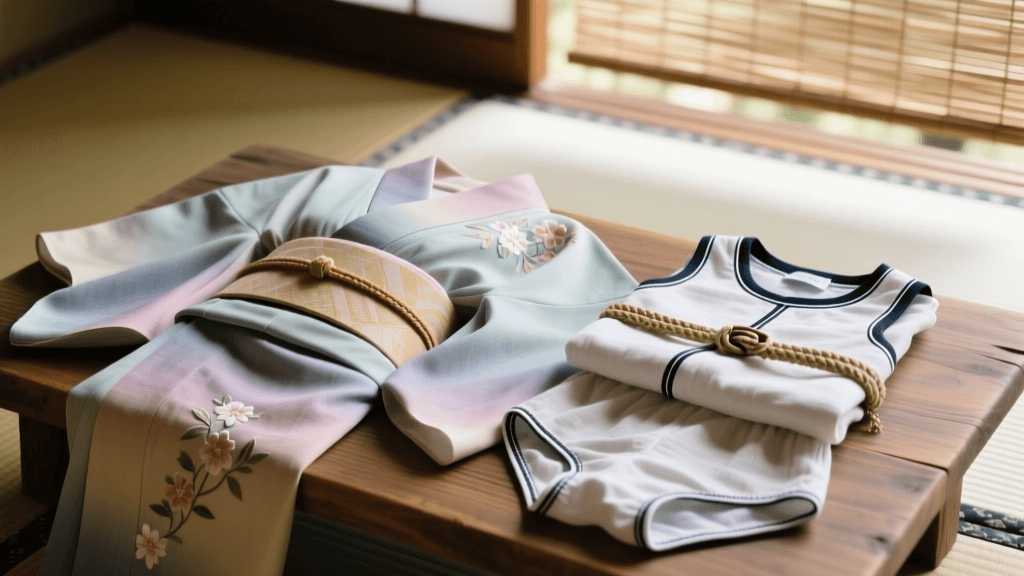
Today, the yukata is the quintessential garment for summer fireworks displays, traditional ryokan stays, and major regional festivals like the Gion Matsuri. In 2026, the 'Oshare Yukata' (fashion yukata) movement is in full swing. Designers are moving beyond traditional repeating patterns like asanoha (hemp leaf) and seigaiha (blue ocean waves), introducing bold, asymmetric digital prints and minimalist, monochromatic palettes that appeal to younger demographics.
2026 Fabric Innovations
While traditional woven cotton remains popular, the record-breaking heatwaves of recent years have pushed manufacturers to innovate. In 2026, it is incredibly common to find yukata woven with contact-cooling synthetic blends or ultra-fine bamboo-rayon mixes that mimic the drape of silk while wicking moisture away from the skin. Furthermore, the revival of natural aizome (indigo dyeing) techniques in regions like Tokushima has made naturally dyed, antimicrobial cotton yukata a highly sought-after sustainable luxury item this season.
The Jinbei: The Ultimate Casual Loungewear
If the yukata is the elegant cousin, the jinbei is the relaxed, easygoing sibling. A jinbei is a two-piece garment consisting of a short-sleeved, side-tying top and matching shorts or cropped pants. Historically worn by monks and artisans as indoor workwear, the jinbei eventually became the default summer pajama and loungewear set for Japanese men and children.
However, the most significant shift in 2026 is the massive surge in women's and unisex jinbei streetwear. No longer confined to the bedroom or the convenience store run, modern jinbei sets featuring lace-trimmed hems, ruffled sleeves, and sophisticated linen-cotton blends are now entirely acceptable at casual neighborhood food stalls (yatai) and local dance festivals. Brands in Tokyo's Harajuku and Osaka's Umeda districts are actively marketing 'date-jinbei'—matching couple or family sets designed specifically for casual summer outings.
Head-to-Head Comparison: Yukata vs. Jinbei
To help you decide which garment suits your itinerary, we have compiled a direct comparison based on 2026 market standards, styling requirements, and cultural expectations.
| Feature | Yukata | Jinbei |
|---|---|---|
| Formality | Semi-Casual / Festival Wear | Strictly Casual / Loungewear |
| Pieces | One-piece wrap robe | Two-piece (top and shorts/pants) |
| Ease of Dressing | Moderate (requires wrapping and tying) | Very Easy (ties at side and waist) |
| Footwear | Geta or Zori (wooden/straw sandals) | Setta, Geta, or modern sneakers |
| Best Occasion | Fireworks, temple visits, nice dinners | Ryokan lounging, local street food, relaxing |
| Avg. Cost (2026) | ¥6,000 - ¥15,000 ($40 - $100 USD) | ¥3,000 - ¥8,000 ($20 - $55 USD) |
Formality and Occasions
As noted in comprehensive guides to traditional Japanese clothing, the distinction between casual and formal wear is deeply ingrained in Japanese society. A yukata bridges the gap between everyday clothes and formal silk kimonos. It is perfectly appropriate for a nice dinner at an izakaya, a stroll through a historic preservation district, or attending a major fireworks competition. Wearing a jinbei to a high-end restaurant or a formal tea ceremony, however, would be considered overly casual and slightly disrespectful. Reserve the jinbei for your ryokan, casual neighborhood bon-odori dances, or quick trips to the local konbini.
Ease of Dressing and Comfort
For tourists, the jinbei is undeniably the easier option. It requires no special undergarments, no complex folding techniques, and no knowledge of obi knots. You simply slip it on and tie the internal and external strings. The yukata, conversely, requires a modicum of practice. You must wrap the left panel over the right (right over left is strictly reserved for dressing the deceased), secure it with a thin koshihimo cord, and tie an obi sash. Fortunately, the 2026 travel market is flooded with 'tsuke-obi' (pre-tied obi belts) that clip or velcro into place, reducing the dressing time to under three minutes.
In terms of pure thermal comfort, the jinbei wins. The two-piece design allows for maximum airflow, and the shorts leave the legs completely free. The yukata, while made of thin cotton, requires an under-slip (hadajuban) to prevent transparency and sweat stains, which adds a slight layer of insulation.
Accessories and Footwear
No traditional garment is complete without its accompanying accessories. The styling ecosystem for both garments has adapted to modern needs while respecting historical roots.
- Yukata Accessories: A yukata demands a kinchaku (traditional drawstring pouch) or a modern woven crossbody bag. Footwear should be geta (wooden clogs) worn with bare feet or specialized toeless tabi socks. An obijime (decorative cord) and a folding fan (sensu) tucked into the obi complete the silhouette.
- Jinbei Accessories: Jinbei styling is much more forgiving. In 2026, it is incredibly common to see young people pairing jinbei with high-end streetwear sneakers or sporty sandals. A simple canvas tote bag or a modern leather crossbody is entirely acceptable. A bamboo or rattan hand fan is the only traditional accessory strictly necessary to beat the heat.
Sustainable and Ethical Shopping in 2026
The Asian traditional garment market has seen a massive push toward sustainability. When shopping for your summer wear, look for certifications indicating the use of organic Japanese cotton (wa-wata) or upcycled vintage fabrics. Many boutique brands in Kyoto and Kanazawa are now utilizing natural dyes derived from persimmon tannin (kakishibu), onion skins, and indigo, which not only reduce chemical runoff but also provide natural UV protection and insect-repelling properties—a massive bonus for humid summer evenings spent near rivers and forests.
How to Choose the Right Garment for Your Trip
When planning your summer itinerary, consider packing or renting both. For travelers planning their summer itineraries around local matsuri, the Japan National Tourism Organization (JNTO) recommends embracing local dress codes to fully immerse yourself in the community spirit. Here is a quick scenario guide:
- Scenario A: Attending the Sumidagawa Fireworks Festival in Tokyo. Verdict: Yukata. The atmosphere is festive, highly photographed, and culturally significant. A beautifully patterned yukata with a coordinating obi will make you feel like part of the celebration.
- Scenario B: Staying at a traditional Ryokan in Hakone. Verdict: Jinbei. Upon check-in, most ryokan will provide you with a yukata to wear to the communal baths and dinner. However, packing your own lightweight linen jinbei is perfect for lounging on your private tatami mat, reading, and enjoying the air conditioning in total comfort.
- Scenario C: Exploring the Nishiki Market in Kyoto at noon. Verdict: Jinbei (or modern casual). A full yukata might be too warm and cumbersome for navigating crowded, narrow food markets in the midday sun. A stylish, modern women's jinbei set paired with comfortable walking sandals strikes the perfect balance between cultural appreciation and practical mobility.
Conclusion
The debate between yukata and jinbei is not about which garment is superior, but rather which tool is right for the job. The yukata remains an irreplaceable symbol of Japanese summer elegance, offering a canvas for artistic expression and a deep connection to the country's festival heritage. The jinbei, meanwhile, represents the pragmatic, comfort-focused side of Japanese daily life, evolving in 2026 into a trendy, sustainable, and highly versatile streetwear option. By understanding the distinct roles, styling requirements, and modern innovations of both garments, you can navigate the Japanese summer with confidence, comfort, and profound cultural respect.