Authentic Ming Hanfu For Kunqu Opera: 2026 Stage Guide
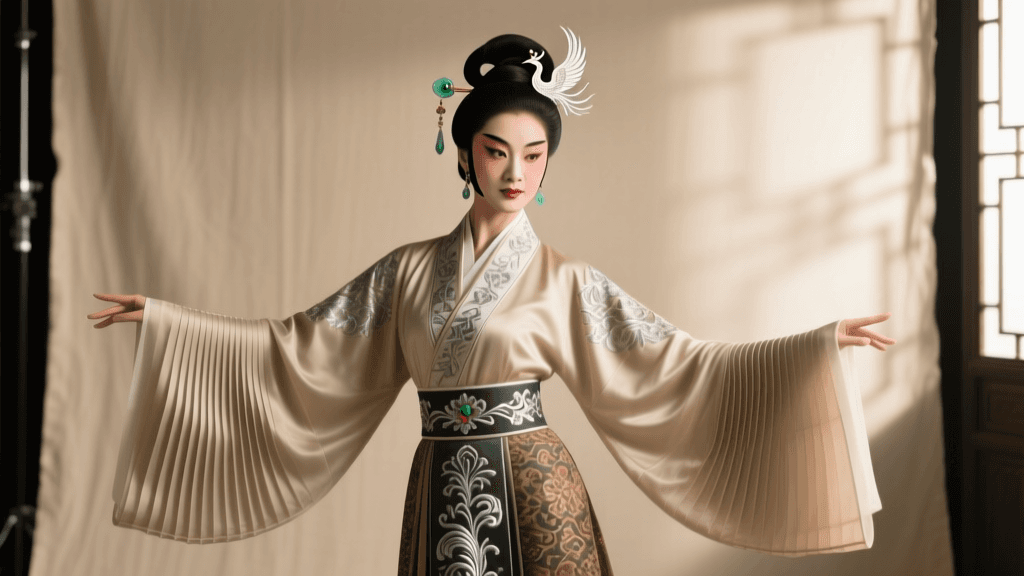
The Renaissance of Ming Hanfu in 2026 Kunqu Performances
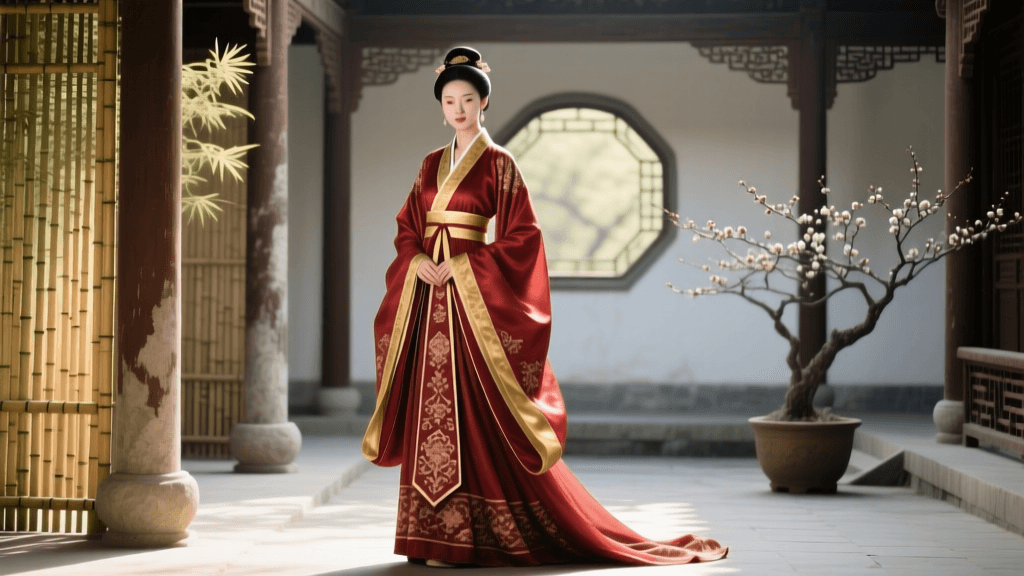
Kunqu opera, often hailed as the 'ancestor of a hundred operas,' relies heavily on visual storytelling, where every fold of silk and flick of a sleeve conveys deep emotional and narrative weight. As we navigate the 2026 theatrical season, the integration of historically accurate Ming dynasty Hanfu into Kunqu performances has reached a new zenith. Modern audiences and cultural preservationists alike are demanding a delicate balance: historical authenticity rooted in the 14th to 17th centuries, combined with the dynamic theatrical flair required for contemporary stages.
According to the UNESCO Intangible Cultural Heritage registry, Kunqu is celebrated for its refined melodies and elegant choreography. In 2026, top-tier troupes are moving away from the heavily stylized, anachronistic costumes of the late 20th century, opting instead for meticulously researched Ming-era garments. This guide explores how performers, costume designers, and Hanfu enthusiasts can select, style, and maintain these exquisite garments for the modern stage.
Key Garments: Decoding the Kunqu Stage Wardrobe
To authentically dress a Kunqu production in 2026, one must understand the core garments of the Ming dynasty wardrobe and how they translate to stage movement. The Metropolitan Museum of Art's Heilbrunn Timeline notes that Ming clothing was strictly regulated by sumptuary laws, a hierarchy that Kunqu costuming brilliantly adapts to denote character class and virtue.
The Mang (蟒) and Official Robes
The 'Mang', or python robe, is reserved for emperors, high-ranking officials, and noble generals. While historically a symbol of imperial favor, on the Kunqu stage, it is the ultimate garment of authority. In 2026, stage Mang robes are tailored with a slightly wider hem than their historical counterparts—expanding from the traditional 120cm to roughly 140cm—to accommodate the sweeping, grounded footwork characteristic of Kunqu's 'Sheng' (male) roles. The collar is typically a round, stiffened neckline, and the garment is worn with a jade-embellished leather belt to anchor the heavy silk.
The Aoqun (袄裙) for Female Leads
For the 'Dan' (female) roles, the Ming dynasty Aoqun (a lined jacket paired with a skirt) remains the gold standard. The 2026 stage adaptation favors the 'Mamianqun' (horse-face skirt). Unlike the flowing, unstructured skirts of the Tang or Song dynasties, the Mamianqun features flat front and back panels with heavily pleated sides. For stage use, the pleats are often heat-set and weighted at the hem with subtle lead-free drapery tape, ensuring the skirt swings in a perfect, controlled arc during the rapid, gliding 'Yunbu' (cloud steps).
Xuezi (褶子) and Everyday Elegance
The Xuezi is the informal, everyday robe worn by scholars, young lovers, and commoners. It features a crossed collar and side slits. In modern Kunqu, the Xuezi is the canvas for the most expressive water sleeve ('Shuixiu') work. The 2026 standard for Kunqu water sleeves on a Xuezi is 65cm to 80cm of white silk crepe attached to the cuff, allowing for the intricate folding, tossing, and trembling techniques that signify weeping, shyness, or anger.
Fabric and Embroidery: 2026 Sourcing Standards
Choosing the right fabric is critical, especially considering the advanced micro-LED lighting rigs standard in 2026 theaters. Historical garments were designed for natural sunlight and dim candlelight; modern stage lighting can wash out delicate colors or create blinding glare on metallic threads.
| Fabric Type | Stage Weight | 2026 LED Light Interaction | Best Theatrical Application |
|---|---|---|---|
| Heavy Silk Brocade (Zhuanghua) | High (800g/m²) | Absorbs light; rich matte finish with subtle metallic glints | Imperial Mang Robes, high-official court dress |
| Silk Charmeuse | Medium (150g/m²) | Highly reflective; requires matte setting spray under bright LEDs | Inner linings, flowing scarves, ghost/spirit roles |
| Silk Crepe de Chine | Light (120g/m²) | Diffuses light softly; excellent for capturing movement | Water sleeves (Shuixiu), under-garments |
| Modern Matte Taffeta Blends | Medium (200g/m²) | Holds shape well; low glare; vibrant color retention | Mamianqun skirts, structured Ao jackets |
For embroidery, the 2026 landscape offers a bifurcated approach. Lead actors' garments still rely on master artisans practicing traditional Suzhou embroidery (Su Xiu), utilizing split-silk threads to create gradients that look painted rather than stitched. However, for ensemble casts, AI-assisted loom embroidery has become the industry standard, allowing mid-tier troupes to afford near-handmade quality without the six-month wait times associated with traditional hand-stitching.
Practical Styling and Movement Adaptations
Wearing Ming Hanfu on a Kunqu stage is not merely about putting on clothes; it is about adopting a physical discipline. The garments dictate the posture. The stiffened collars and heavy belts of the Mang robe force the performer to keep their chin parallel to the floor and their shoulders back, naturally projecting aristocratic arrogance or stoic dignity.
- Pleat Management: When performing in a Mamianqun, the 'Dan' actor must use the inner thigh to control the side pleats during high kicks or deep bows, preventing the skirt from tangling around the ankles.
- Sleeve Choreography: The water sleeves must be flicked from the wrist, not the elbow. In 2026, choreographers emphasize the 'snap and settle' technique, where the silk is thrown out to its full 80cm length and allowed to settle in a perfect, rippling line before being gathered back into the palm.
- Layering for Silhouette: Historical Ming garments were heavily layered. On stage, to prevent actors from overheating under hot lights, costume designers use 'illusion layering'—stitching fake collars and cuffs to a single, breathable base garment made of moisture-wicking bamboo silk.
Care and Maintenance for Theatrical Hanfu
Theatrical Hanfu is a significant financial investment, with a single, hand-embroidered Mang robe costing upwards of $15,000 USD in 2026. Proper maintenance is non-negotiable.
'The longevity of a Kunqu costume relies entirely on post-performance care. Sweat and stage makeup are the enemies of silk proteins and metallic gold threads.' — Victoria and Albert Museum Asian Collections conservation guidelines.
Post-Show Protocol: Never hang a heavy, sweat-dampened silk robe on a standard wire or thin wooden hanger. The weight of the wet silk will distort the shoulder seams. Garments must be laid flat on acid-free tissue paper in a climate-controlled drying room (kept at 45% humidity) before being stored.
Cleaning: Water immersion is strictly forbidden for brocades and gold-threaded garments. Spot cleaning with specialized, pH-neutral silk foams is the standard for minor stains. For deep cleaning, troupes in 2026 utilize liquid CO2 cleaning technology, which removes oils and odors without damaging the delicate silk fibers or tarnishing the metallic embroidery.
Storage: Costumes should be rolled, not folded, around acid-free cardboard tubes to prevent permanent creasing of the pleats and cracking of the embroidery threads. They must be stored in breathable cotton garment bags, never plastic, which traps moisture and invites mold.
Conclusion
The 2026 Kunqu stage is a breathtaking intersection of historical reverence and modern theatrical innovation. By understanding the structural nuances of Ming dynasty Hanfu—from the weighted hems of the Mamianqun to the precise length of the Shuixiu—performers and designers can elevate their storytelling. Authentic costuming does not restrict the actor; rather, it provides the physical boundaries within which the true poetry of Kunqu opera is born, ensuring this ancient art form continues to captivate audiences for generations to come.