2026 Guide to Japanese Garments: Kimono, Hakama & Haori Sizing
The Renaissance of Wafuku: Japanese Traditional Garments in 2026
The landscape of Japanese traditional garments, collectively known as wafuku, has evolved significantly by 2026. While deeply rooted in centuries of history, modern artisans, designers, and everyday wearers are redefining how these garments integrate into contemporary life. No longer reserved strictly for tea ceremonies or coming-of-age festivals, traditional Japanese clothing is experiencing a global renaissance. Today, enthusiasts are blending heritage textiles with modern lifestyle needs, prioritizing sustainable fabrics, innovative care methods, and versatile styling techniques that honor the past while embracing the present.
Whether you are a collector, a practitioner of martial arts, or a fashion enthusiast looking to incorporate authentic Japanese pieces into your wardrobe, understanding the distinct types of garments and their precise sizing is crucial. Unlike Western clothing, which relies on standardized small, medium, and large metrics, traditional Japanese garments are sized based on specific body measurements and the art of kitsuke (dressing). This comprehensive guide will walk you through the essential types of Japanese garments, their modern applications, and exactly how to measure and care for them in 2026.
The Kimono: The T-Shaped Masterpiece
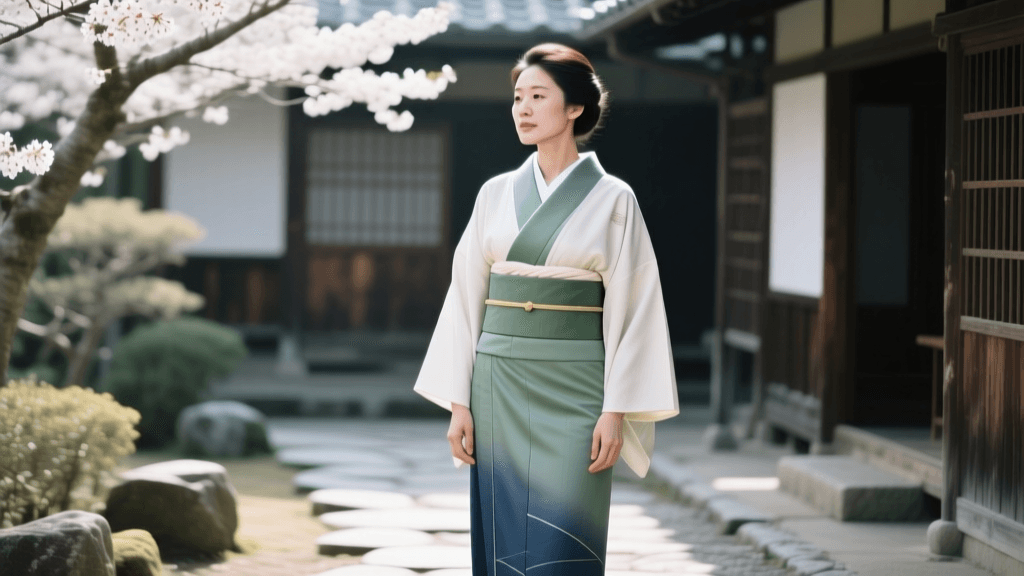
The kimono is the most iconic of all Japanese traditional garments. Translating literally to "thing to wear" (ki meaning wear, and mono meaning thing), the kimono is characterized by its T-shaped, straight-lined structure. According to the Metropolitan Museum of Art, the kimono's fundamental shape has remained remarkably consistent since the Edo period, serving as a canvas for intricate dyeing, weaving, and embroidery techniques that denote the wearer's age, marital status, and the season.
In 2026, the kimono market has seen a massive shift toward sustainable and washable silk blends. While formal garments like the furisode (long-sleeved kimono for unmarried women) and houmongi (visiting wear) still rely on premium, hand-painted yuzen silk, everyday kimono (komon) are increasingly crafted from high-grade, machine-washable polyester-silk blends and ethically sourced hemp. These innovations allow modern wearers to enjoy the elegance of the kimono without the exorbitant dry-cleaning costs historically associated with the garment.
Styling a kimono requires an understanding of the obi (sash). The obi is not merely a belt; it is a structural and decorative focal point. In 2026, pre-tied tsuke-obi have become incredibly sophisticated, utilizing memory-wire and lightweight foams to create elaborate bows (musubi) that can be clipped on in seconds, making the kimono accessible to beginners and busy professionals alike.
The Yukata: Summer Elegance and Accessibility
Often confused with the kimono by the untrained eye, the yukata is a casual, unlined summer garment traditionally made of cotton. Historically worn as a bathrobe in onsen (hot spring) towns, the yukata has become the standard attire for summer fireworks festivals (hanabi) and bon odori dances.
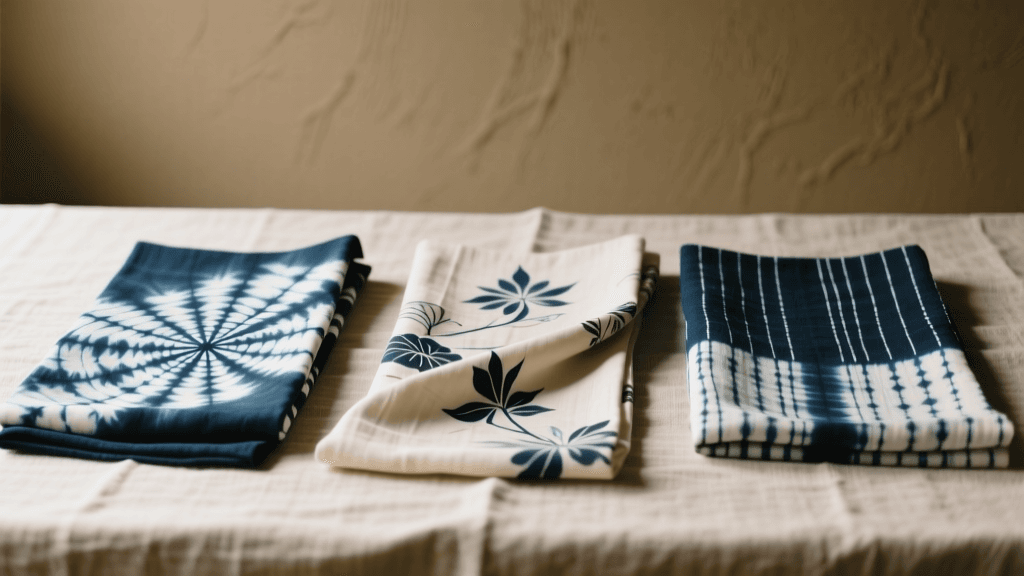
The primary differences between a yukata and a kimono lie in the fabric, the undergarments, and the footwear. A yukata is worn directly over a lightweight undergarment called a hadajuban, whereas a kimono requires a full nagajuban (under-kimono) with a visible collar. Furthermore, yukata are paired with geta (wooden clogs) and bare feet, while kimono require tabi (split-toe socks) and zori (formal sandals). The 2026 summer trends heavily feature bold, geometric patterns and indigo-dyed organic cotton, reflecting a global desire for breathable, eco-friendly summer wear.
The Hakama: Pleated Tradition and Martial Utility
The hakama is a striking, pleated garment worn over a kimono. While it resembles a wide, flowing skirt, it is actually a divided skirt or pair of wide trousers. As noted by the Victoria and Albert Museum, the hakama was originally worn by samurai to protect their legs while riding horses, and its pleats hold deep philosophical significance in martial arts, often representing the seven virtues of the samurai.
Today, the hakama serves dual purposes. In formal settings, it is worn by men for weddings and by women for university graduation ceremonies. In this context, the hakama is usually made of stiff, high-quality silk or modern, wrinkle-resistant synthetic crepe. In martial arts such as Aikido, Kendo, and Iaido, the hakama is worn as a uniform. Modern martial arts hakama are constructed from durable, heavy-duty cotton-polyester twill designed to withstand rigorous movement and frequent washing. When purchasing a hakama in 2026, buyers must pay close attention to the himo (ties), with wider, stiffer ties being preferred for their ability to hold a secure knot during physical activity.
The Haori: The Versatile Traditional Jacket
The haori is a hip- or thigh-length jacket worn open over a kimono. Historically, it was a male garment, but it was adopted by geisha in the Edo period and eventually became a staple for all genders. The haori is perhaps the most versatile traditional Japanese garment for modern, cross-cultural styling.
In 2026, the haori has transcended traditional kitsuke. Fashion-forward individuals frequently wear vintage and modern haori as lightweight dusters or cardigans over Western clothing, such as jeans, turtlenecks, and evening dresses. Because the haori is designed to be worn open, it does not require an obi (though a decorative haori-himo cord can be used to tie it slightly at the front). This ease of wear, combined with the stunning lining (urakata) and back crests (kamon), makes the haori an excellent entry point for collectors of Japanese textiles.
Precise Sizing: The Measurement Guide
Sizing is the most challenging aspect of acquiring authentic Japanese garments. Traditional clothing is not cut to fit the body snugly; rather, the fabric is wrapped and folded. Therefore, width is generally more forgiving than length. The most critical measurement for a kimono or yukata is the yuki (sleeve length measured from the center back of the neck to the wrist) and the mi-goro (body width).
Below is a comprehensive sizing chart for adult women's standard kimono and yukata, reflecting the updated 2026 international measurement standards.
| Size Category | Height (cm / in) | Yuki - Sleeve Length (cm / in) | Mi-goro - Body Width (cm / in) | Length - Take (cm / in) |
|---|---|---|---|---|
| Petite (S) | 145 - 152 cm (57 - 60 in) | 60 - 62 cm (23.5 - 24.5 in) | 29 - 30 cm (11.5 - 11.8 in) | 150 - 155 cm (59 - 61 in) |
| Standard (M) | 153 - 160 cm (60 - 63 in) | 63 - 65 cm (24.8 - 25.5 in) | 31 - 32 cm (12.2 - 12.6 in) | 156 - 163 cm (61.5 - 64 in) |
| Tall (L) | 161 - 168 cm (63.5 - 66 in) | 66 - 68 cm (26 - 26.8 in) | 33 - 34 cm (13 - 13.4 in) | 164 - 170 cm (64.5 - 67 in) |
| Extra Tall (XL) | 169+ cm (66.5+ in) | 69 - 72 cm (27 - 28.3 in) | 35 - 37 cm (13.8 - 14.5 in) | 171 - 178 cm (67.5 - 70 in) |
Note: The "Length" (Take) of a kimono is traditionally cut longer than the wearer's height. The excess fabric is folded at the waist and secured by the obi. If a garment is too short, it will look ill-fitted and modern wearers often utilize decorative lace or contrasting fabric at the hem to artificially extend the length in a stylish manner.
Modern Care and Maintenance in 2026
Proper care is essential to preserve the longevity of Japanese garments. Historically, silk kimono had to be completely unsewn, washed in specialized solutions, stretched, and resewn—a costly and time-consuming process. Fortunately, textile maintenance has advanced dramatically.
As noted by Encyclopedia Britannica, the traditional obi and silk layers require meticulous handling to prevent moisture damage and dye bleeding. In 2026, many professional cleaners utilize advanced ozone and liquid carbon dioxide (CO2) cleaning technologies. These methods are entirely water-free, preventing the shrinkage and water-spotting that plague traditional silk, while effectively removing odors and oils.
For home maintenance, the golden rule of storing wafuku is to never leave it folded in the same position for more than a few months. The folds will weaken the silk fibers and cause permanent creasing or dye transfer. Modern storage solutions include acid-free, breathable tatoushi (paper wrappers) infused with natural hinoki (cypress) wood oils to repel insects without the use of harsh chemical mothballs, which can tarnish metallic threads. Always store your garments flat in a dark, climate-controlled environment, and air them out in a shaded, well-ventilated room twice a year during the dry autumn and spring seasons.
Conclusion
Navigating the world of Japanese traditional garments requires a blend of historical appreciation and practical knowledge. Whether you are selecting a breathable cotton yukata for a summer festival, measuring the precise yuki for a formal silk kimono, or styling a vintage haori over modern streetwear, understanding the construction and care of these pieces ensures they will last for generations. By embracing the 2026 innovations in sustainable textiles and modern sizing, the beauty of wafuku remains a vibrant, living tradition accessible to the global community.