Lotus Silk vs Peace Silk for Cheongsam Tailoring 2026

The 2026 Shift Toward Ethical Asian Textiles
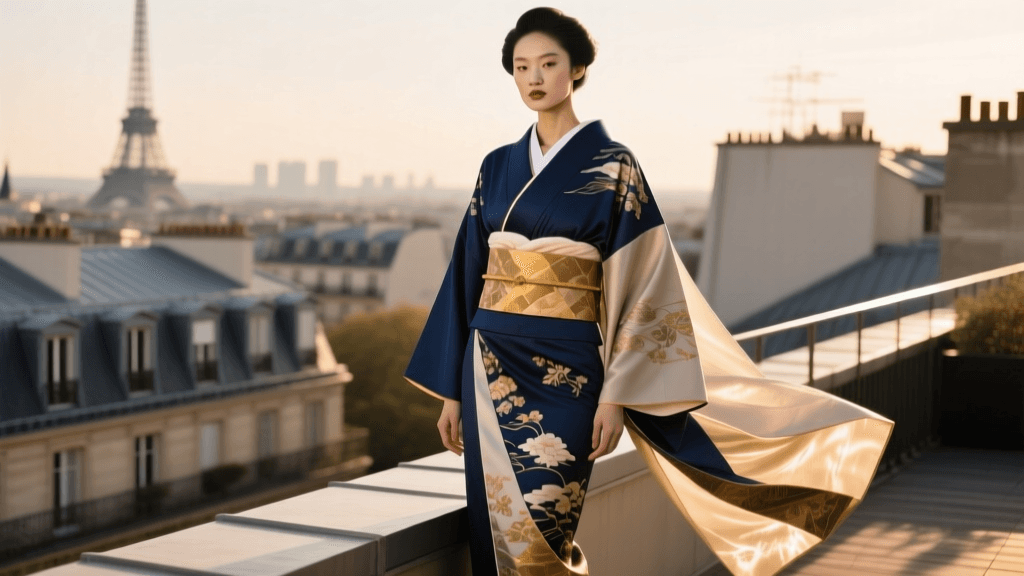
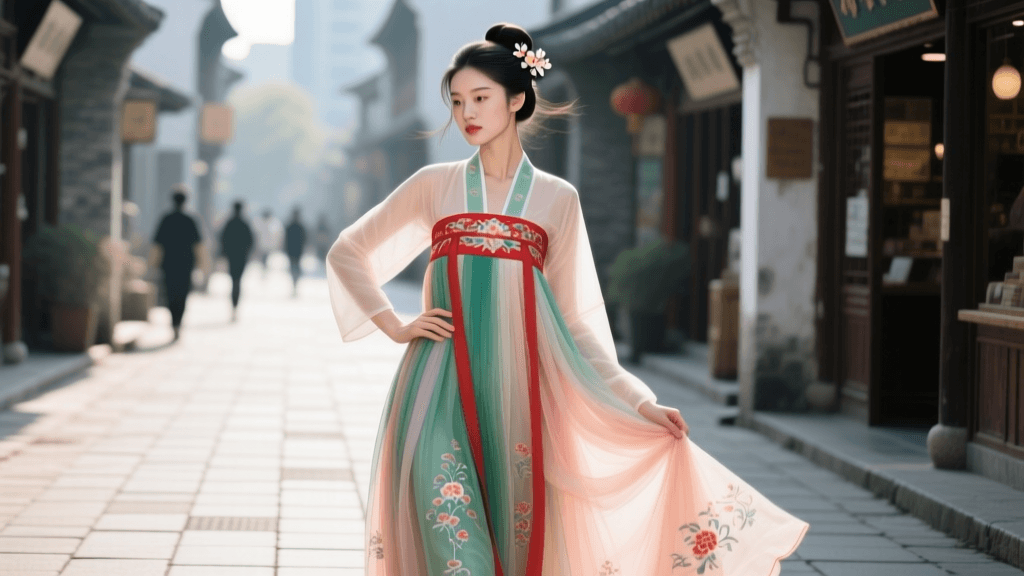
The landscape of Asian traditional garments has undergone a profound transformation as we navigate 2026. Modern wearers and bespoke tailors are no longer satisfied with the conventional, mass-produced mulberry silks that dominated the 20th century. Today, the focus has shifted decisively toward sustainable, ethical, and artisanal textiles. Among the most highly sought-after materials for crafting contemporary cheongsams (qipaos) and modern hanboks are lotus silk and peace silk (Ahimsa). Both fabrics offer a compelling narrative of ecological responsibility and cruelty-free production, but they behave vastly differently under the tailor’s shears and on the wearer’s body. In this comprehensive guide, we break down the structural properties, sourcing realities, and tailoring techniques required to master these two extraordinary fibers in 2026.
Understanding Lotus Silk: The Aquatic Marvel
Harvested from the stems of the Nelumbo nucifera plant, lotus silk is an aquatic marvel. The extraction process is painstakingly manual. Artisans must score the lotus stems and pull out the delicate, sticky filaments within a 24-hour window of harvesting before the sap dries. It takes roughly 32,000 lotus stems to produce a single yard of woven fabric. As of 2026, authentic lotus silk sourced from Myanmar and Vietnam’s Mekong Delta commands a premium price, typically ranging from $130 to $180 per yard.
Drape and Structural Integrity
From a tailoring perspective, lotus silk is unique. It possesses a matte finish and a slight slub texture that closely resembles a hybrid between raw silk and fine linen. It is highly breathable, naturally stain-resistant, and possesses a crisp, structured drape. This makes it exceptionally well-suited for summer cheongsams that require a rigid mandarin collar and precise, geometric darting without the need for heavy synthetic interfacings. According to the UN Alliance for Sustainable Fashion, plant-based alternative fibers like lotus are critical in reducing the microplastic pollution associated with modern synthetic brocades and blended textiles.
Peace Silk (Ahimsa): The Cruelty-Free Classic
Peace silk, widely known as Ahimsa silk, is produced without harming the silkworm. Unlike conventional mulberry silk production, where the cocoon is boiled with the pupa inside to preserve a single, continuous filament, peace silk allows the moth to naturally emerge. This breaks the continuous thread, resulting in a spun silk rather than a reeled silk. The most common varieties used in high-end Asian tailoring in 2026 are Eri silk and Tussah peace silk.
Best Applications in Traditional Garments
Eri peace silk is remarkably soft, wool-like, and possesses excellent thermal regulation, making it ideal for autumn and winter hanbok jeogori (jackets). Tussah peace silk is slightly more textured and holds natural dyes beautifully. Because the filaments are spun, peace silk has a softer, more subdued luster and a heavier, more fluid drape than lotus silk. It typically costs between $45 and $75 per yard in the 2026 wholesale market, making it a more accessible ethical luxury. When examining the historical drape and structural requirements of traditional Asian dress, as documented in the V&A Asia Collections, we see that spun silks mimic the heavier, matte-finish historical textiles used by commoners and scholars, offering an authentic, grounded aesthetic.
Head-to-Head Comparison: Lotus vs. Peace Silk
To help you select the right fabric for your 2026 bespoke project, consult the comparison matrix below.
| Feature | Lotus Silk | Peace Silk (Ahimsa) | Conventional Mulberry |
|---|---|---|---|
| 2026 Cost per Yard | $130 - $180 | $45 - $75 | $25 - $50 |
| Drape & Hand | Crisp, structured, linen-like | Fluid, soft, wool-like (Eri) | Slick, highly fluid, smooth |
| Luster | Completely matte | Subdued, soft glow | High shine, reflective |
| Best Garment Type | Summer Cheongsam, structured collars | Winter Hanbok, flowing skirts | Evening wear, bridal |
| Sustainability Rating | High (Plant-based, manual) | High (Cruelty-free, organic) | Low (High water/energy use) |
Practical Tailoring Guide for 2026
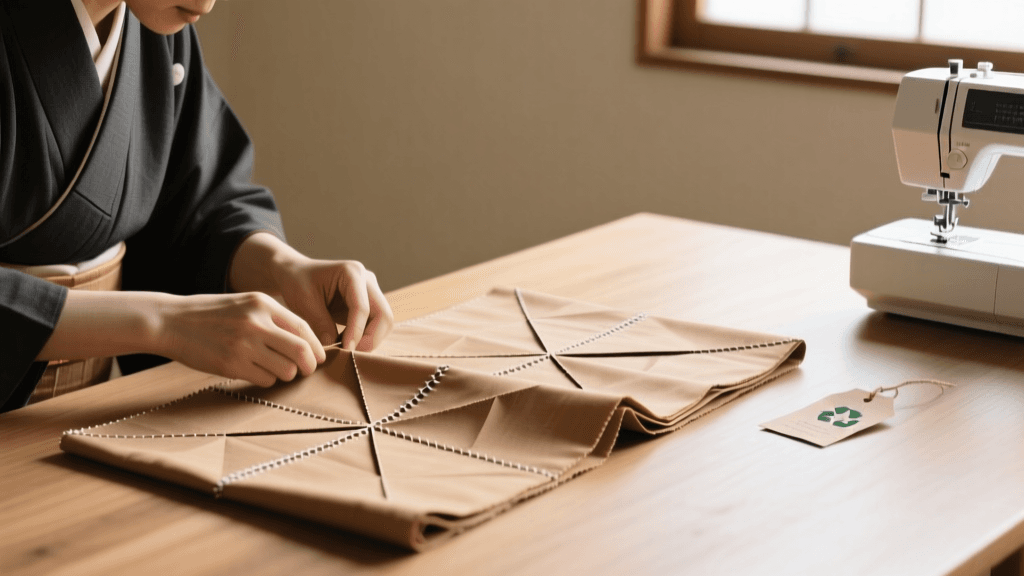
Working with these specialty fibers requires specific adjustments to your sewing methodology to ensure a professional, couture-level finish.
Needles and Thread Recommendations
For lotus silk, which is prone to fraying due to its short-staple spun nature, use a Microtex needle sized 60/8 or 70/10. Pair it with a high-quality, long-staple cotton thread or a fine silk thread to maintain the fabric's biodegradable integrity. For peace silk, a universal 70/10 needle works well, but always test on a swatch first to prevent snagging the uneven spun fibers. Avoid polyester threads, as they can cut through the delicate natural fibers over time due to friction.
Seam Finishes and Interfacing
Because both fabrics are luxury investments, raw edges are unacceptable. French seams are mandatory for lotus silk cheongsams to enclose the fraying edges completely while maintaining a lightweight, unbulky side seam. For heavier peace silk hanbok skirts (chima), bound seams using bias-cut silk organza provide a clean, historical finish that adds structural stability to the garment's interior.
Never use fusible, glue-based interfacings on either lotus or peace silk. The heat and adhesive will destroy the natural breathability and alter the fabric's hand. Instead, use hand-basted silk organza or hair canvas for mandarin collars, cuffs, and structural bodices. This traditional method preserves the organic movement of the textile.
Dyeing and Embellishment Techniques
If you are sourcing greige (undyed) fabric, both fibers react beautifully to natural dyes, a massive trend in 2026 artisanal fashion. Lotus silk absorbs botanical dyes like indigo, madder root, and pomegranate rind with a muted, vintage depth. Peace silk, being slightly more porous and protein-rich, yields incredibly vibrant, saturated colors when dyed with acid or natural mordant dyes.
When adding traditional embroidery—such as Suzhou silk embroidery to a lotus silk cheongsam—ensure you use a single strand of spun silk floss rather than heavily twisted threads, which can pucker the delicate lotus weave. For peace silk, couching techniques using metallic threads work exceptionally well, as the textured surface of the spun silk grips the embellishments securely.
Sourcing Authentic Fabrics and Certifications
The 2026 market has seen an influx of counterfeit 'vegan silks' that are actually just mercerized rayon, cupro, or bamboo viscose. To ensure you are purchasing genuine lotus or peace silk, look for certifications from organizations like the Textile Exchange. Genuine peace silk will often carry a Global Organic Textile Standard (GOTS) certification or a specific Ahimsa verification tag.
Authentic lotus silk will usually come with a certificate of origin from the weaving cooperatives in Inle Lake (Myanmar) or the Mekong Delta (Vietnam). Expect to pay the premium prices mentioned earlier; if a vendor is offering lotus silk for $30 a yard, it is undoubtedly a synthetic imitation. Always request a burn test swatch if purchasing from an unverified online marketplace—genuine lotus silk will burn slowly and smell like burning leaves, while peace silk will smell like burning hair and self-extinguish.
Care and Maintenance for Longevity
Proper care ensures these garments last for generations. Both lotus and peace silk must be hand-washed in cool water (below 30°C) using a pH-neutral, enzyme-free detergent. Never wring or twist the fabric, as this will permanently distort the spun fibers and cause the garment to lose its shape.
Instead, roll the garment in a clean, dry cotton towel to press out excess moisture, then lay it flat on a drying rack away from direct sunlight, which can degrade the natural proteins and plant fibers. When ironing, use the lowest heat setting and always employ a damp cotton press cloth to prevent scorching and unwanted shine marks on the matte surfaces. Store the finished garments in breathable cotton bags, never plastic, to prevent moisture buildup and mildew.
Conclusion
Choosing between lotus silk and peace silk ultimately depends on the structural needs of your garment and the climate in which it will be worn. Lotus silk offers unparalleled breathability and crisp structure for warm-weather cheongsams, while peace silk provides a luxurious, fluid drape and thermal warmth ideal for layered hanboks. By understanding the unique properties of these ethical textiles, you honor the deep traditions of Asian garment-making while actively participating in the sustainable fashion revolution of 2026. Whether you are a seasoned tailor or a passionate hobbyist, mastering these fabrics will elevate your traditional wardrobe to the pinnacle of modern, conscious luxury.