Kimono Silhouettes on 2026 Global Runways: Fashion Week Guide
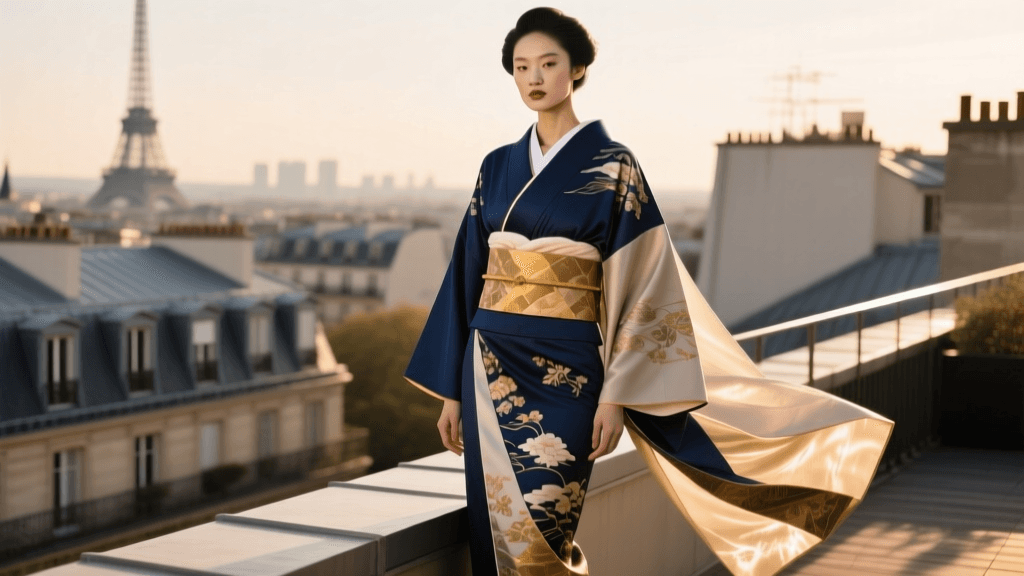
The Renaissance of the Kimono Silhouette in 2026 Haute Couture
The intersection of traditional Japanese garments and Western haute couture has reached a mesmerizing apex in 2026. As global fashion weeks in Paris, Milan, and Tokyo unfold their Spring/Summer and Fall/Winter collections, the kimono is no longer merely a source of exotic inspiration; it has become a foundational blueprint for modern, sustainable, and structurally innovative design. Designers are moving past superficial motifs, diving deeply into the architectural genius of the kimono's flat-pattern cutting, zero-waste textile utilization, and profound philosophy of space.
Historically, the kimono's influence on Western dress has been well-documented, tracing back to the early 20th century when visionaries like Paul Poiret and Madeleine Vionnet abandoned the corset in favor of the kimono's fluid, unrestrictive drape. According to historical analyses by The Metropolitan Museum of Art, this cross-cultural exchange fundamentally altered the trajectory of modern fashion. Today, in 2026, that exchange has evolved into a sophisticated dialogue centered on sustainability, artisanal preservation, and avant-garde silhouette manipulation.
Key Textile Innovations on the Paris and Milan Runways
Nishijin-ori Jacquard in Structured Outerwear
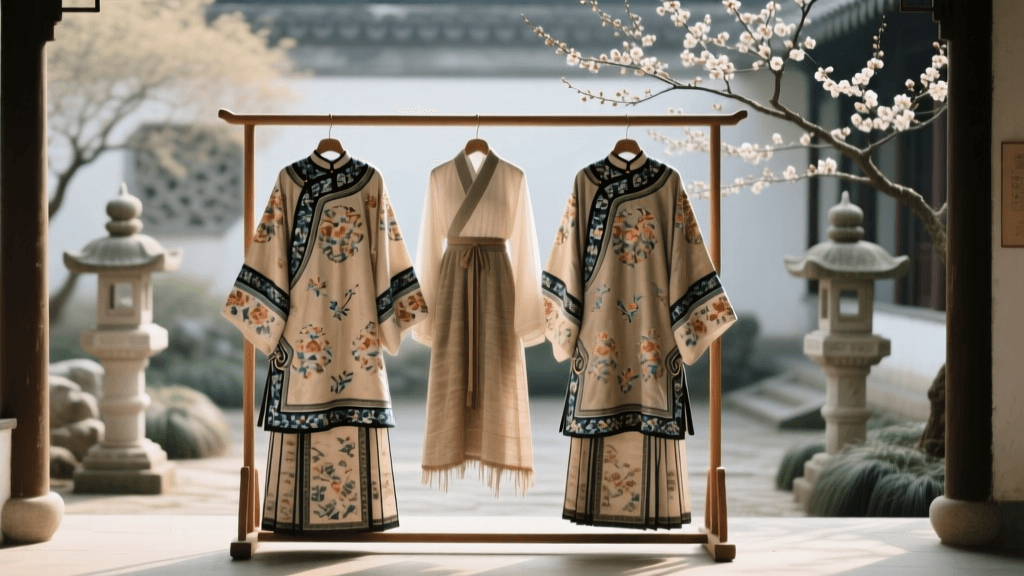
Originating in the Nishijin district of Kyoto, Nishijin-ori is a traditional jacquard weaving technique known for its dense, opulent patterns and metallic threads. For the 2026 Fall/Winter season, European fashion houses have partnered directly with Kyoto-based weaving collectives to source authentic Nishijin textiles. However, instead of using them for delicate evening wear, designers are engineering these heavy, structured brocades into sharp, oversized outerwear and tailored trench coats. The rigidity of the silk weave provides a natural scaffolding that eliminates the need for synthetic interfacings, aligning perfectly with the luxury sector's 2026 sustainability mandates.
Yuzen Dyeing Meets Bio-Pigments
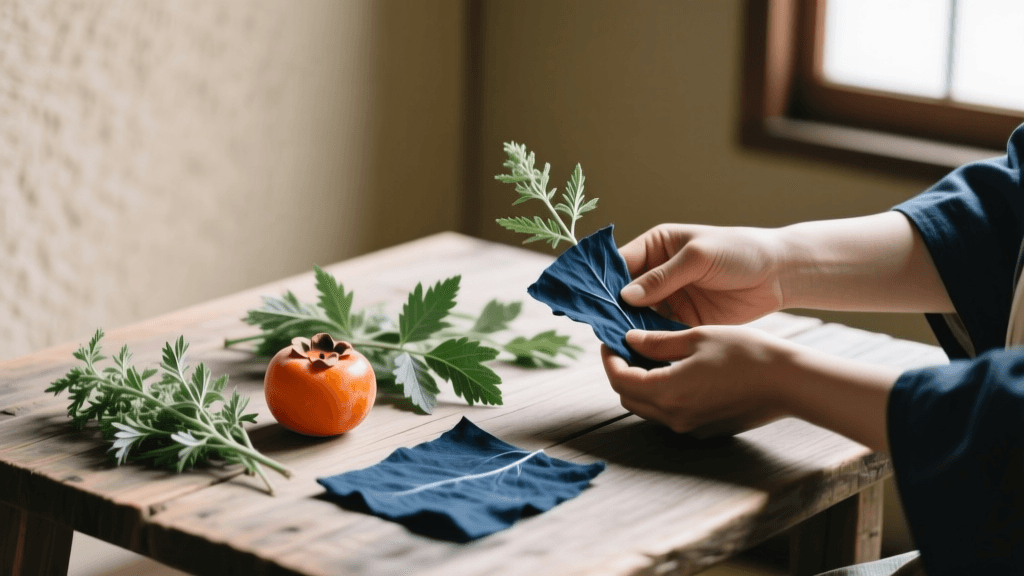
The intricate Yuzen resist-dyeing technique, famous for its pictorial and highly detailed designs, has been reimagined for the modern runway. This year, emerging Japanese designers showcased at Tokyo Fashion Week have merged traditional rice-paste resist methods with lab-grown bio-pigments. This innovation allows for the creation of vibrant, colorfast Yuzen patterns on organic hemp and peace silk without the use of toxic heavy metals or synthetic mordants. The result is a collection of garments that honor centuries-old artistry while pushing the boundaries of eco-conscious haute couture.
The Haori: 2026's Ultimate Layering Piece
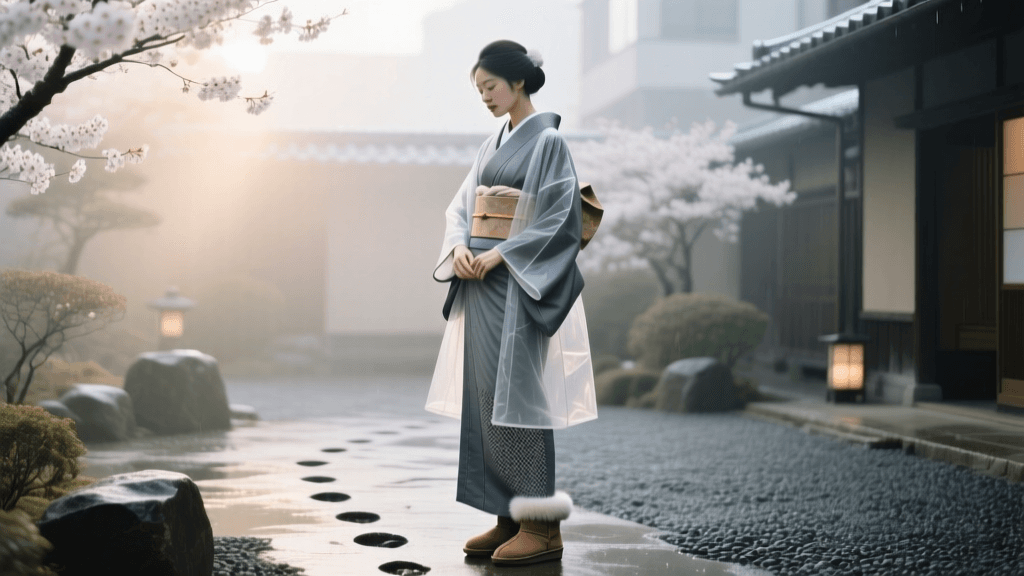
Moving beyond the main robe, the haori—a traditional hip- or thigh-length kimono-style jacket—has emerged as the undisputed layering staple of 2026. Originally worn over the kosode for warmth and formality, the haori's open front and straight lines make it an incredibly versatile piece for contemporary street style and high-fashion editorial looks alike. On the runways of Milan, we saw cropped, waist-length haori crafted from sheer organza, worn over minimalist slip dresses. In Paris, the trend leaned towards floor-length, heavily embroidered haori worn as dramatic duster coats over tailored trouser suits. The haori's inherent 'Ma' (negative space) allows for effortless layering without adding bulk to the wearer's frame.
Footwear and Accessories: The Tabi and Zori Evolution
No runway look is complete without its corresponding footwear, and 2026 has seen the total mainstreaming of traditional Japanese silhouettes in shoe design. The split-toe tabi, popularized in Western fashion decades ago, has evolved into ergonomic, 3D-knit split-toe sneakers and sustainable leather loafers that prioritize foot health and natural toe splay. Meanwhile, the zori and geta have inspired architectural, platform sandals featuring sustainable cork bases and woven recycled-fabric hanao (thongs). These designs elevate the traditional elevated sandal into a comfortable, high-fashion statement piece suitable for navigating the cobblestone streets of fashion capitals.
Runway to Real Life: Actionable Styling Guide
Translating avant-garde runway concepts into a functional, everyday wardrobe requires a keen eye for proportion and styling. The key to wearing kimono-inspired pieces in 2026 is juxtaposition: balancing the volume and historical weight of the traditional garment with sharp, contemporary basics.
| Runway Trend | Wearable Adaptation | Estimated 2026 Cost | Styling Advice |
|---|---|---|---|
| Deconstructed Silk Obi | Wide Leather Corset Belt | $250 - $450 | Cinch over a tailored wool blazer to mimic the obi silhouette without the bulk. |
| Floor-Sweeping Furisode | Midi Wrap Dress with Extended Sleeves | $300 - $600 | Pair with minimalist ankle boots to balance the dramatic sleeve volume. |
| Hakama Pleats | High-Waisted Wide-Leg Trousers | $180 - $350 | Tuck in a fitted turtleneck to highlight the structural pleating at the waist. |
| Heavy Nishijin Brocade | Structured Jacquard Vest | $400 - $800 | Layer over a crisp white poplin shirt for a striking textural contrast. |
Sourcing Authentic and Contemporary Pieces
For collectors and fashion enthusiasts looking to invest in these trends, the 2026 market offers distinct pathways. Authentic, vintage silk kimono and haori can be sourced from specialized dealers in Kyoto and Tokyo, with high-quality, unblemished mid-century pieces ranging from $150 to $500. These vintage garments can be styled as-is or carefully deconstructed by professional tailors to create bespoke jackets and skirts.
For those seeking contemporary, ready-to-wear interpretations, a new wave of sustainable fashion brands is bridging the gap between traditional craftsmanship and modern sizing. According to curators at the Victoria and Albert Museum, the global appreciation for the kimono has sparked a vital revival in domestic Japanese textile industries, encouraging international consumers to support authentic artisan cooperatives rather than fast-fashion imitations. When purchasing, always look for certifications of origin and transparent supply chains that ensure fair compensation for the weavers and dyers.
'The beauty of the kimono lies not just in its surface decoration, but in its relationship to the human body and the space it occupies. It is a garment that does not force the body into a shape, but rather creates a new architectural space around it.' — 2026 Paris Fashion Week Curatorial Notes.
Caring for High-Fashion and Traditional Textiles
Investment pieces require meticulous care, especially when dealing with traditional Japanese textiles and their modern haute couture counterparts. Silk jacquards and Yuzen-dyed fabrics should never be subjected to standard dry-cleaning chemicals, which can strip the silk of its natural luster and cause the resist-dye pigments to bleed. In 2026, the gold standard for maintenance is liquid carbon dioxide (CO2) cleaning, a waterless, non-toxic process that safely removes oils and stains without damaging delicate metallic threads or natural dyes.
For storage, avoid wire hangers which will distort the shoulder seams of haori and kimono jackets. Instead, use padded, wide-shouldered hangers or store the garments flat, folded along their natural seam lines with acid-free tissue paper inserted between the layers to prevent creasing and dye transfer. By treating these garments with the respect their history and craftsmanship demand, you ensure they remain a vital, wearable part of your wardrobe for decades to come.
Conclusion
The presence of the kimono on the 2026 global runways is a testament to its enduring brilliance. It is a garment that transcends time, geography, and trend cycles, offering endless possibilities for reinvention. Whether you are donning a vintage Nishijin-ori haori for an evening out or incorporating a modern, obi-inspired belt into your daily workwear, embracing these silhouettes is a celebration of structural elegance, artisanal heritage, and the future of sustainable fashion.