Hanfu Secondhand Market 2026: Vintage Collecting & Resale Guide
The Evolution of the Hanfu Secondhand Market in 2026
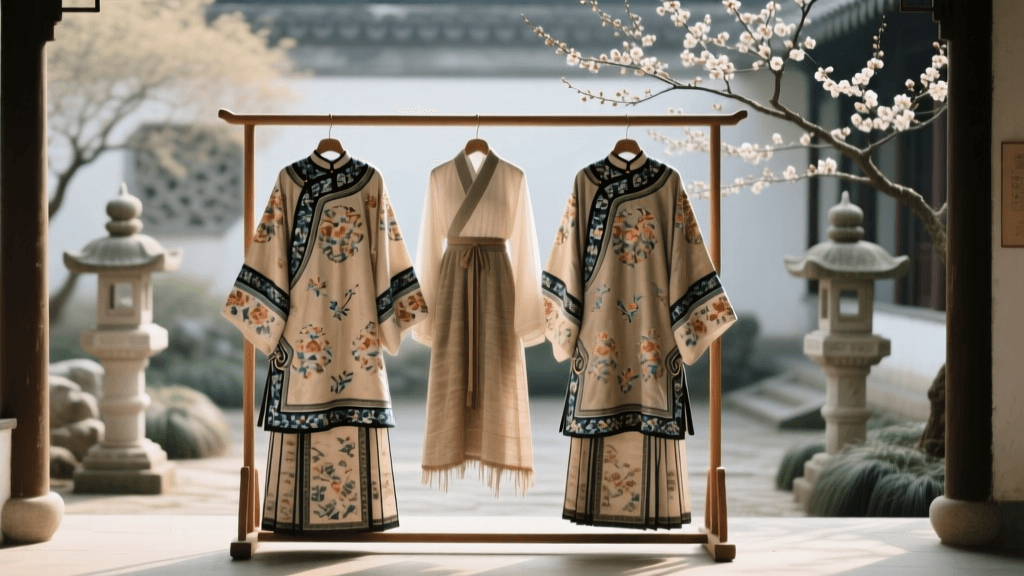
As we move deeper into 2026, the global appreciation for traditional Chinese clothing has shifted dramatically. The Hanfu movement, which began as a grassroots cultural revival, has matured into a sophisticated sartorial ecosystem. While fast-fashion Hanfu dominated the early 2020s, today's collectors and enthusiasts are increasingly pivoting toward the secondhand and vintage markets. This shift is driven by a desire for archival quality, sustainable fashion practices, and the pursuit of discontinued, limited-run pieces from prestigious heritage brands.
Navigating the secondary market for traditional Asian garments requires a keen eye for textile construction, an understanding of historical silhouettes, and familiarity with modern resale platforms. Whether you are hunting for a pristine Ming dynasty-style Mamianqun (horse-face skirt) or looking to offload your own collection, the 2026 resale landscape offers immense opportunities for those who know where to look.
Top Platforms for Hanfu Resale and Vintage Hunting
The digital storefronts for secondhand Hanfu have diversified significantly by 2026. While domestic Chinese platforms remain the most robust, international buyers have more accessible options than ever before.
Xianyu (Idle Fish)
Xianyu remains the undisputed king of the secondhand Hanfu market. In 2026, the platform introduced enhanced AI-driven textile verification badges, allowing top-tier sellers to authenticate silk blends and brocade weaves before listing. For international buyers, navigating Xianyu requires a reliable proxy shopping agent, but the inventory depth is unmatched. You can find everything from gently worn Taobao basics to unworn, archived pieces from elite studios like Ming Huatang and Shisanyu.
Global Communities and Depop
For Western buyers, specialized Reddit communities and dedicated Discord servers host monthly secondhand sales threads. These peer-to-peer networks are excellent for finding sellers willing to ship internationally without proxy fees. Additionally, Depop has seen a surge in 'vintage Hanfu' listings, particularly for early 2010s revival pieces that are now considered nostalgic collector's items within the community.
Authentication: Spotting Genuine Quality vs. Fast Fashion
With the secondary market flooded with mass-produced garments, distinguishing between high-end artisanal Hanfu and cheap theatrical replicas is a critical skill for the 2026 collector.
- Seam Construction: High-quality Hanfu utilizes traditional flat-felled seams and internal finishing. Fast-fashion alternatives often leave raw, serged edges inside the garment. Run your fingers along the interior seams; they should lie completely flat and feature tight, uniform stitching.
- Hardware and Embellishments: Archival Ming-style jackets (Ao) should feature solid metal closures, often brass or copper alloys, sometimes with intricate cloisonne or engraving. Plastic or lightweight alloy clasps that chip easily are immediate red flags for lower-tier production.
- Pattern Alignment: On premium woven jacquard or embroidered Mamianqun skirts, the motifs on the pleats must align perfectly when the skirt is laid flat. Mass-market factories often cut fabric without regard for pattern continuity, resulting in disjointed dragons, florals, or geometric borders across the pleat lines.
- The Burn Test (With Caution): If you are purchasing raw fabric or an unhemmed vintage piece, a microscopic burn test on a single thread can reveal the truth. Genuine mulberry silk will smell like burning hair and crush into a fine ash, whereas polyester blends will melt into a hard, plastic bead.
2026 Hanfu Secondhand Valuation Matrix
Understanding the current market value of specific silhouettes is vital for both buyers and sellers. The table below outlines the average resale metrics for highly sought-after styles in the 2026 secondary market.
| Garment Type | Dynasty Inspiration | Material | 2026 Avg Resale Value (USD) | Collector Demand |
|---|---|---|---|---|
| Mamianqun (Horse-Face Skirt) | Ming Dynasty | Silk Brocade / Jacquard | $180 - $450 | Extremely High |
| Beizi (Long Outer Jacket) | Song Dynasty | Crepe / Lightweight Silk | $90 - $220 | Moderate to High |
| Qixiong Ruqun (Chest-High Skirt) | Tang Dynasty | Chiffon / Organza | $40 - $120 | Low (Oversaturated) |
| Pipa Sleeve Ao (Jacket) | Ming Dynasty | Wool Blend / Heavy Silk | $150 - $380 | High (Winter Focus) |
| Bamboo Joint Sleeves | Wei / Jin Period | Linen / Ramie | $60 - $140 | Niche / Avant-Garde |
Note: Resale values fluctuate based on brand prestige, condition, and whether the original packaging and authenticity cards are included. Limited-edition collaboration pieces can fetch double or triple the listed averages.
Dynasty-Specific Construction Details to Look For
When collecting vintage or high-end secondhand Hanfu, historical accuracy in cut and drape is a major value driver. For Ming dynasty garments, look for the distinctive 'Pipa' sleeve, which curves elegantly and narrows at the wrist, often featuring a contrasting white silk cuff (Huling) that protects the outer fabric from skin oils. The collar should sit snugly against the neck, often fastened with metal buttons rather than ties.
Conversely, Song dynasty silhouettes favor a more slender, elongated aesthetic. The Beizi jacket should feature straight, narrow sleeves and side slits that extend high up the torso, allowing for fluid movement. The fabric should drape heavily and gracefully, avoiding the stiff, voluminous organza often incorrectly used in modern Tang dynasty reproductions.
Caring for Secondhand and Vintage Silk Garments
Acquiring a vintage or secondhand silk Hanfu is only the first step; preserving it requires meticulous care. The Victoria and Albert Museum conservation guidelines emphasize that protein-based fibers like silk are highly susceptible to light damage, moisture, and pests.
Storage Best Practices
Never hang heavy silk Mamianqun skirts or embroidered jackets on standard wire or wooden hangers, as the weight of the fabric will distort the shoulders and stress the pleats over time. Instead, fold the garments using acid-free, unbuffered tissue paper to prevent hard creases. Store them in breathable cotton garment bags or archival-quality cardboard boxes in a climate-controlled environment.
Cleaning and Pest Control
Avoid dry cleaning unless absolutely necessary, as the harsh chemicals can strip the natural sericin from the silk, leaving it brittle. For light odors or dust, air the garments out in a shaded, well-ventilated area. Never expose vintage silk to direct sunlight. To deter moths and silverfish, use natural cedar blocks or dried lavender sachets placed near the storage area, ensuring they do not directly touch the fabric to prevent oil transfer.
Negotiating and Finalizing Your Purchase
The culture of negotiation on platforms like Xianyu is alive and well in 2026. Sellers often price items with a 10% to 15% haggling buffer. When making an offer, be polite and reference specific details about the garment's condition, such as minor pilling on the cuffs or slight fading on the inner pleats, to justify your counteroffer. Always request high-resolution, unfiltered photos of the garment laid flat on the floor, as hanging photos can hide structural flaws or missing pleats.
By combining historical knowledge with modern market savvy, collectors can build extraordinary, museum-quality Hanfu wardrobes while participating in a sustainable, circular fashion economy. The secondhand market is not just a place to find a bargain; it is a vital space for preserving the artistry and cultural heritage of traditional Asian garments for future generations.