Sourcing Authentic Custom-Made Cheongsam Online: 2026 Buyer's Guide
The 2026 Shift: From Fast-Fashion Replicas to Bespoke Heritage
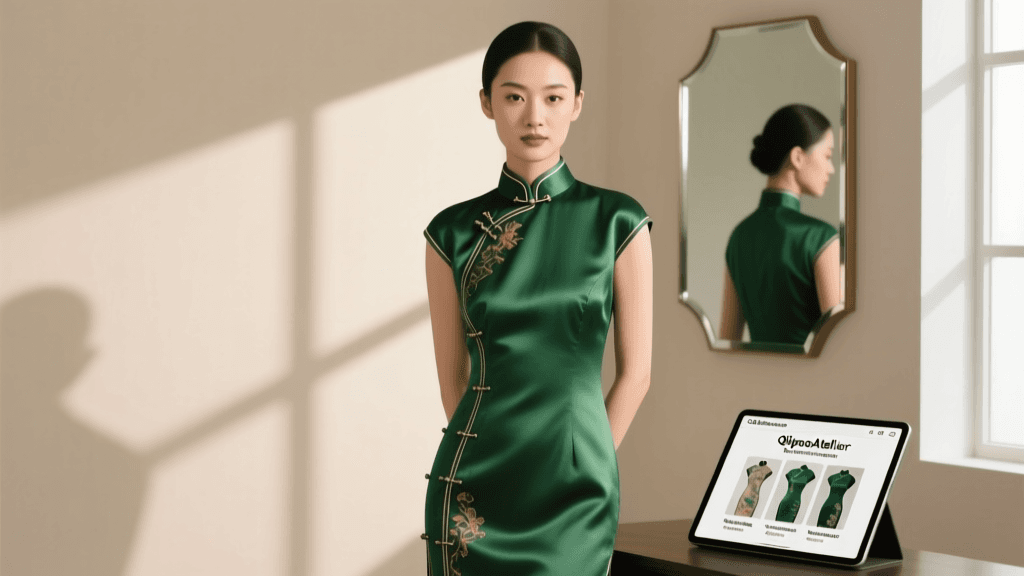
In 2026, the global appreciation for the cheongsam (also widely known as the qipao) has reached a sophisticated zenith. However, this surge in popularity has been accompanied by a flood of mass-produced, synthetic replicas on fast-fashion applications. For the discerning buyer, the challenge is no longer finding a cheongsam online, but rather sourcing an authentic, meticulously tailored garment that honors the rich sartorial heritage of East Asia. Today's digital landscape offers unprecedented access to master tailors in Shanghai, Hangzhou, and Suzhou, provided you know how to navigate the specialized online marketplaces.
According to Britannica's historical overview of the qipao, the garment evolved from a loose-fitting, modest dress in the early 20th century into the form-fitting, elegantly tailored silhouette recognized globally today. Capturing that precise, bespoke silhouette requires moving away from algorithmic fast-fashion feeds and engaging directly with heritage artisans and specialized e-commerce channels. This comprehensive 2026 guide will walk you through the best platforms, fabric authentication techniques, and remote measurement protocols required to commission a genuine silk cheongsam online.
Top Online Marketplaces for Authentic Cheongsam in 2026
The digital marketplace for traditional Asian garments has matured significantly. In 2026, buyers generally rely on three distinct online channels to acquire authentic qipaos, each offering varying degrees of customization, price points, and logistical complexity.
1. Direct-from-Artisan Platforms (Etsy & Specialized Boutiques)
Etsy remains a premier destination for connecting directly with independent tailors and heritage boutiques based in Asia and the global diaspora. In 2026, the platform's enhanced "Verified Artisan" badges help buyers distinguish between genuine hand-weavers and drop-shippers. When searching, use specific terminology such as "handmade Song brocade qipao," "Xiangyunsha silk cheongsam," or "custom Pan Kou knot dress." Expect to pay between $350 and $800 for a fully bespoke piece, with lead times ranging from three to five weeks. The primary advantage here is direct, English-language communication with the tailor regarding design modifications, such as adjusting the height of the Mandarin collar or the length of the side slits.
2. Cross-Border E-Commerce and Buying Agents (Taobao & Tmall Global)
For the most authentic and cost-effective bespoke experience, domestic Chinese marketplaces like Taobao and Tmall are unmatched. Cities like Suzhou and Hangzhou are home to thousands of multi-generational tailoring shops that operate exclusively on these domestic platforms. Because these sites do not natively support international shipping or foreign credit cards, buyers in 2026 rely on established proxy buying agents (such as Superbuy, CSSBuy, or Wegobuy). You provide the agent with the product link, they purchase the garment, receive it in their domestic warehouse, and provide you with quality control (QC) photos before shipping it internationally. This route requires more effort but yields incredible results, with custom silk qipaos often costing between $150 and $450, excluding international freight.
3. Heritage Brand Portals (Luxury Ready-to-Wear)
If bespoke tailoring feels too daunting, heritage luxury brands offer authenticated, high-end ready-to-wear options. Houses like Shanghai Tang and Blanc de Chine have heavily invested in their 2026 e-commerce infrastructures, offering virtual styling consultations and augmented reality (AR) fitting tools. While these garments lack the personalized fit of a bespoke commission, they guarantee premium materials, flawless construction, and authentic design lineage. Prices in this tier typically start at $1,200 and can exceed $5,000 for heavily embroidered ceremonial pieces.
Fabric Authentication: What to Look for in 2026
The soul of a traditional cheongsam lies in its textile. The craftsmanship of Chinese silk is so culturally significant that it is recognized by the UNESCO Intangible Cultural Heritage list. When shopping online, you must be able to read fabric descriptions and spot synthetic imitations.
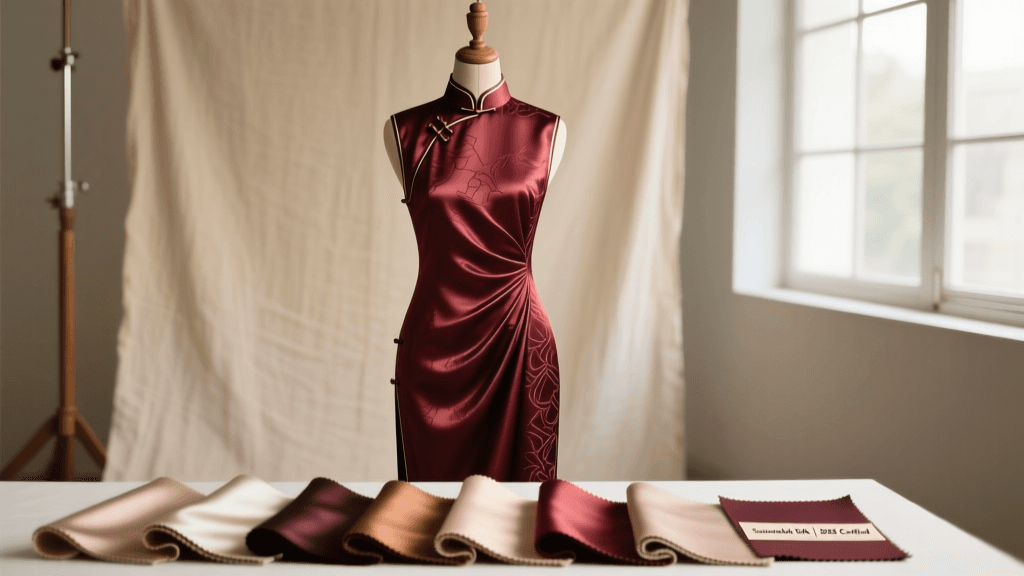
- Mulberry Silk (Sang蚕丝): The gold standard for qipaos. Look for a weight of at least 19-momme to 22-momme. Anything lighter will cling to the body and wear out quickly; heavier weights provide the structural drape necessary for the garment's clean lines.
- Xiangyunsha (Gambiered Silk): A highly prized, heritage fabric from Guangdong province, dyed with yam juice and river mud. It has a distinct, slightly stiff texture, a dark earthy color palette, and a subtle crackling sound when moved. Authentic Xiangyunsha is expensive and rarely found on fast-fashion sites.
- Song Brocade (Song Jin): Characterized by intricate, woven geometric and floral patterns. True brocade is woven with silk threads and sometimes metallic yarns, giving it a heavy, luxurious feel. Avoid "printed brocade," which is merely a digital pattern stamped onto cheap polyester.
For deeper insights into identifying historical weaving techniques and textile conservation, the Victoria and Albert Museum's Asian textile collections offer excellent visual references for authentic brocade and embroidery patterns.
The Remote Measurement Guide for Custom Tailoring
Ordering a bespoke cheongsam online requires submitting a precise set of measurements. Unlike Western dresses, which often allow for stretch or forgiving cuts, a traditional qipao is engineered to skim the body perfectly. In 2026, most online tailors will provide a digital measurement form. You will need a soft measuring tape and a friend to assist you. Ensure you are wearing the undergarments you intend to wear with the dress.
- Bust: Measure around the fullest part of your chest, keeping the tape level across your back.
- Waist: Measure at your natural waistline (the narrowest point, usually just above the navel).
- Hips: Measure around the fullest part of your hips and buttocks.
- Shoulder Width: Measure from the edge of one shoulder bone to the other across the upper back.
- Armhole (Scye): Loop the tape measure from the top of the shoulder, down through the armpit, and back up.
- Neck Circumference: Measure around the base of the neck where the Mandarin collar will sit. Add half an inch for breathing room.
- Qipao Length: Measure from the base of the neck (or the shoulder seam) down to your desired hemline (traditionally mid-calf or just below the knee).
- Slit Height: Measure from the hemline upward to determine where the side slits should begin (usually mid-thigh).
2026 Marketplace Comparison Chart
To help you decide which online sourcing method aligns with your budget and timeline, review the comparison table below.
| Platform Type | 2026 Price Range (USD) | Lead Time | Customization Level | Authenticity Risk |
|---|---|---|---|---|
| Etsy Verified Artisans | $350 - $800 | 3 - 5 Weeks | High (Full Bespoke) | Low (Check Reviews) |
| Taobao via Buying Agent | $150 - $450 | 2 - 4 Weeks | High (Domestic Tailors) | Medium (Requires Vetting) |
| Heritage Brand Portals | $1,200 - $5,000+ | 1 - 2 Weeks | Low (Ready-to-Wear) | None (Direct Retail) |
| Fast Fashion Apps | $20 - $60 | 1 - 2 Weeks | None (Standard Sizing) | High (Synthetic Blends) |
Navigating Shipping, Customs, and Garment Care
When importing bespoke garments in 2026, be mindful of international customs thresholds. Many countries have lowered their de minimis values, meaning you may be subject to import duties on a $400 silk qipao. Always ask your tailor or buying agent to provide an accurate commercial invoice detailing the garment as "100% Silk Custom Dress" to avoid customs delays.
Once your authentic cheongsam arrives, proper care is paramount. Genuine mulberry silk and metallic brocades should never be machine washed or submerged in water. Seek out a dry cleaner who specializes in delicate, traditional Asian textiles. When storing the garment, avoid wire hangers, which will distort the shoulder structure. Instead, use padded, wide-shoulder hangers, and store the qipao in a breathable, unbleached cotton garment bag away from direct sunlight to prevent the silk fibers from degrading and the natural dyes from fading.
Conclusion
Sourcing an authentic, custom-made cheongsam online in 2026 is a highly rewarding endeavor that connects you directly with centuries of textile mastery. By bypassing the noise of fast-fashion algorithms and engaging with specialized marketplaces, domestic artisans via proxy agents, and verified heritage boutiques, you ensure that your garment is not just a piece of clothing, but a wearable work of art. Take the time to understand silk weights, master your remote measurements, and invest in the craftsmanship that keeps this iconic Asian tradition beautifully alive.