Best Wasai Kimono Sewing Workshops in 2026: Full Guide
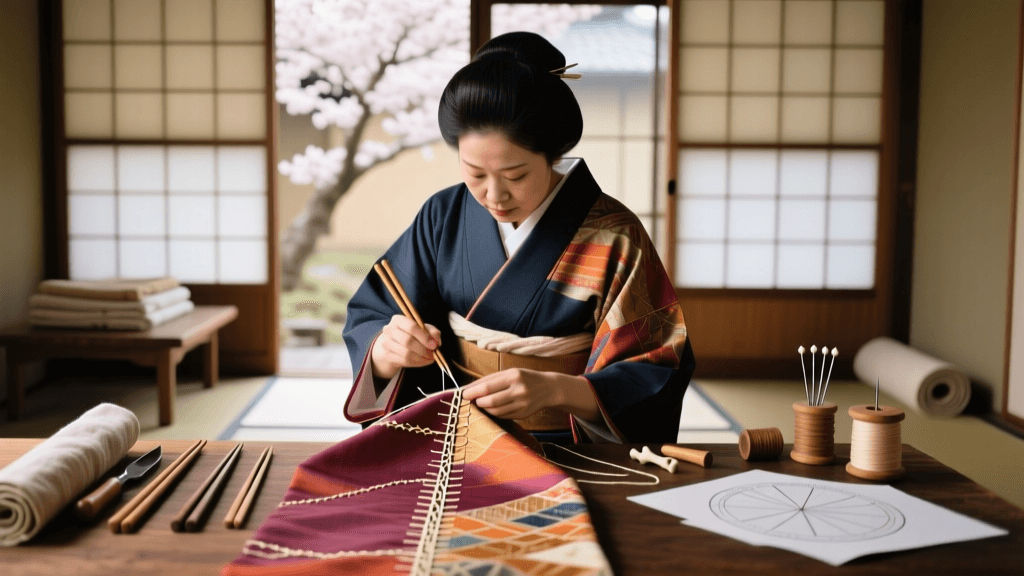
The Resurgence of Wasai: Traditional Japanese Sewing in 2026
The art of Wasai (traditional Japanese sewing) is experiencing a remarkable global renaissance in 2026. As the sustainable fashion movement matures, modern makers and designers are increasingly drawn to the zero-waste, modular construction methods inherent in traditional Asian garments. Unlike Western tailoring, which relies on complex curved pattern cutting and generates significant textile waste, Wasai utilizes straight-line sewing and modular rectangular panels. This approach not only preserves the integrity of the fabric but also allows garments to be entirely disassembled, cleaned, and re-sewn—a centuries-old practice that perfectly aligns with today's circular fashion economy.
Whether you are a seasoned seamstress looking to expand your technical repertoire or a cultural enthusiast eager to connect with Japanese heritage, enrolling in a dedicated Wasai workshop is the most effective way to master these techniques. According to the Traditional Crafts of Japan portal, government and private initiatives in 2026 have heavily subsidized hybrid learning models, making authentic Kyoto-based instruction accessible to international students through live-translated virtual seminars and physical material kits.
Understanding the Tanmono: The Foundation of Wasai
Before diving into workshop curricula, it is crucial to understand the primary material used in Wasai: the tanmono. A standard kimono bolt is woven to a very specific dimension—typically 38 centimeters (about 15 inches) in width and 12 meters (about 13 yards) in length. Because the fabric is narrow, the kimono is constructed from long, uncut rectangular panels.
In a 2026 Wasai seminar, you will learn how to fold, mark, and sew these panels without ever cutting the fabric's width. The sleeves (sode), body panels (migoro), and collar (eri) are all derived from these continuous strips. This modular construction means that if a person's body shape changes, or if the garment is passed down to a taller or shorter heir, the kimono can be completely taken apart and re-sewn with different seam allowances. Mastering the spatial awareness required to manipulate a 12-meter bolt of silk crepe (chirimen) or cotton (kasuri) is the core focus of any reputable Wasai workshop.
Essential Tools for the Modern Wasai Student
Traditional Japanese sewing requires a specialized toolkit that differs significantly from Western sewing notions. In 2026, most premium workshops will ship a foundational toolkit to remote learners or provide them upon arrival at in-person seminars. Below is a breakdown of the essential tools you will use, along with their current market costs.
| Tool Name | Japanese Term | Purpose in Wasai | Estimated 2026 Cost |
|---|---|---|---|
| Thimble Ring | Yubinuki | A padded leather or cloth ring worn on the middle finger to push the needle through thick silk layers. | $25 - $40 |
| Bamboo Spatula | Heram | Used to crease fabric and mark sewing lines without leaving permanent ink or chalk residue on delicate silk. | $15 - $22 |
| Traditional Needles | Wasai Bari | Longer, thicker needles with larger eyes designed for heavy silk threads and straight running stitches. | $18 - $30 |
| Silk Thread | Kinu-ito | 100% silk thread that matches the fabric, ensuring the seams drape and age identically to the garment. | $12 - $20 |
| Pattern Weights | Omori | Heavy ceramic or brass weights used to hold the slippery tanmono in place during the marking phase. | $35 - $60 |
Core Techniques Taught in 2026 Seminars
A standard Wasai certification or intensive workshop will guide you through several foundational stitches. The philosophy of Japanese sewing is that the inside of the garment should be as beautiful and functional as the outside. Seams are rarely finished with sergers or zig-zag stitches; instead, they are folded and enclosed using precise hand-stitching.
1. The Hon-Nui (Basic Running Stitch)
The hon-nui is the backbone of kimono construction. Unlike Western running stitches, the hon-nui requires a specific rhythm and tension. Students are taught to stitch 3 to 4 millimeters in length, maintaining absolute consistency. The tension must be loose enough to allow the silk to drape naturally but tight enough to hold the structural weight of the garment. Instructors in 2026 often use digital macro-cameras in hybrid seminars to demonstrate the exact wrist flick required to pull the silk thread without puckering the fabric.
2. The Kuke (Blind Hemming)
Used for hems and collars, the kuke stitch is a blind stitch that catches only a single thread of the face fabric, rendering the hem nearly invisible from the outside. This technique is heavily emphasized in advanced seminars, particularly when working with highly textured fabrics like tsumugi (pongee silk).
3. The Chikara-Nui (Reinforcement Stitch)
Kimonos experience significant stress at the underarm and hip seams. The chikara-nui is a specialized reinforcement stitch applied to these junctions. Learning to execute this stitch cleanly is a major milestone in any Wasai curriculum and is a key requirement for passing intermediate-level seminar assessments.
Comparing 2026 Workshop Tiers and Formats
The landscape of cultural education has evolved, offering multiple pathways to learn Wasai depending on your budget, location, and time commitment. The Victoria and Albert Museum's comprehensive guide to the kimono highlights how traditional garment construction is deeply tied to regional craftsmanship, making the choice of where and how you study highly impactful.
| Workshop Tier | Format & Duration | Curriculum Focus | 2026 Average Tuition |
|---|---|---|---|
| Virtual Hybrid Seminar | 6 Weeks (Online + Kit) | Basic stitches, yukata assembly, fabric marking, and care. | $350 - $500 |
| Weekend Intensive | 2 Days (Local Cultural Center) | Haori (jacket) construction, advanced hemming, and lining. | $450 - $650 |
| Kyoto Immersion | 14 Days (In-Person, Japan) | Full lined kimono, silk handling, custom fitting, and certification. | $3,200 - $4,500 |
Virtual Hybrid Seminars: The 2026 Standard
For international students, the Virtual Hybrid model has become the gold standard in 2026. Upon enrollment, students receive a physical kit containing a pre-measured cotton tanmono, a yubinuki, and specialized needles. Weekly live sessions are hosted by masters in Kyoto or Tokyo, with real-time translation and multi-angle camera setups. This format allows students to practice the physical handling of the fabric while receiving direct feedback from certified Wasai-shi (licensed kimono seamstresses).
Kyoto Immersion Programs
For those seeking mastery, traveling to Japan remains unparalleled. Immersion programs in Kyoto offer access to historic textile districts like Nishijin. Students spend their mornings in the workshop sewing and their afternoons visiting artisan dyers and weavers. These programs are highly competitive in 2026, often requiring applicants to submit a portfolio of basic hand-sewing samples to ensure they are prepared for the rigorous pace of the 14-day silk kimono build.
How to Prepare for Your First Wasai Seminar
Entering a Wasai workshop requires a shift in mindset. Western sewing often prioritizes speed and machine efficiency, while Wasai prioritizes mindfulness, precision, and respect for the textile. To get the most out of your 2026 seminar enrollment, consider the following preparatory steps:
- Practice Hand-Stitching Rhythm: Before your seminar begins, practice sewing long, perfectly straight lines by hand on scrap cotton. Focus on maintaining a consistent 3mm stitch length without using a ruler.
- Understand Fabric Grain: Wasai relies entirely on the straight grain of the fabric. Spend time studying how woven textiles behave when pulled on the bias versus the straight grain, as Japanese sewing almost exclusively utilizes the straight grain for structural seams.
- Study the Cultural Context: Familiarize yourself with the terminology and the cultural significance of the garment. Reviewing resources like the UNESCO Intangible Cultural Heritage lists can provide profound context regarding the preservation of traditional Asian textile crafts and the artisans who dedicate their lives to these techniques.
- Prepare Your Workspace: Because a tanmono is 12 meters long, you will need a large, clean, and smooth floor space or an extra-long cutting table to unroll, fold, and mark the fabric. Ensure your workspace is free of snags that could catch delicate silk.
Conclusion: Stitching the Future of Heritage
Learning traditional Japanese garment making through a Wasai workshop is more than just acquiring a new sewing skill; it is an act of cultural preservation and a commitment to sustainable, mindful creation. The 2026 curriculum offerings, ranging from accessible virtual hybrid kits to rigorous Kyoto immersions, ensure that this ancient zero-waste technology is available to a global audience. By mastering the hon-nui stitch and understanding the elegant geometry of the tanmono, you are not only learning how to construct a kimono—you are learning a philosophy of design that values longevity, adaptability, and profound respect for the materials we wear.