Hanfu Education Workshops & Certification Programs in 2026
The Rise of Formal Hanfu Education in 2026
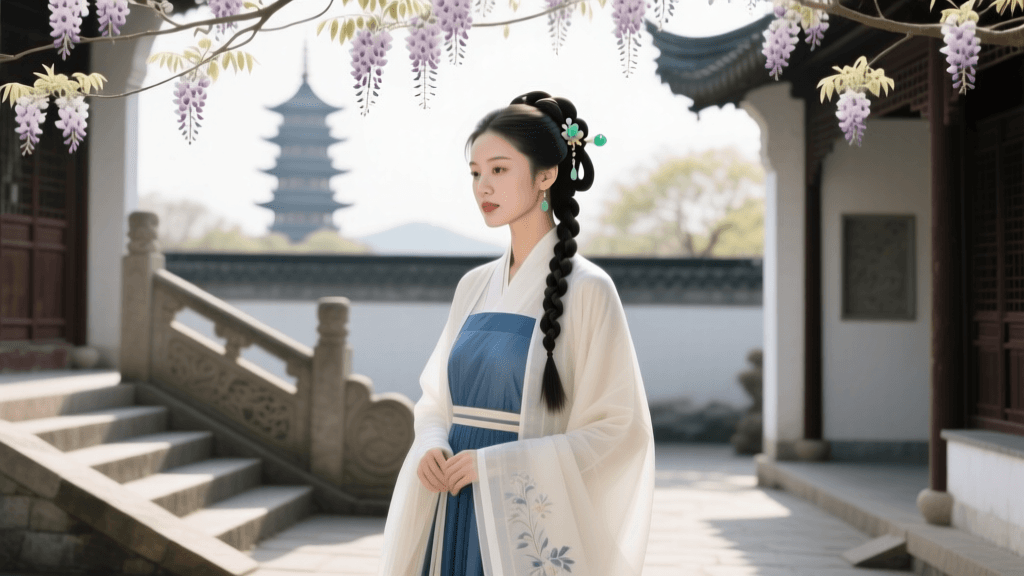
The global resurgence of traditional Chinese clothing has evolved from a niche internet subculture into a multi-billion-dollar heritage industry. As we navigate 2026, the demand for authentic, historically accurate Hanfu has created a pressing need for formal education. Enthusiasts, fashion designers, and cultural historians are no longer relying solely on forum tutorials; they are enrolling in accredited Hanfu education workshops and certification programs. These structured courses bridge the gap between ancient textile traditions and modern sartorial applications, ensuring that the profound cultural significance of garments like the Mamianqun (horse-face skirt) and Qixiong Ruqun (chest-high skirt) is preserved and respected.
In 2026, certification programs have become the gold standard for professional Hanfu stylists, boutique owners, and museum consultants. Institutions now integrate advanced 3D digital draping software alongside centuries-old loom-weaving techniques, creating a comprehensive curriculum that honors the past while embracing modern technological efficiencies.
Top Hanfu Certification Programs and Workshops
Choosing the right educational path depends on your career goals, whether you aim to become a master pattern-maker, a cultural educator, or a boutique stylist. Below are the premier certification tracks dominating the landscape in 2026.
1. The Traditional Textile and Draping Certificate
Offered primarily through heritage hubs in Beijing, Hangzhou, and Shanghai, this intensive in-person certification focuses on the structural integrity of historical garments. Students learn the complex mathematics behind the knife-pleats of the Ming Dynasty Mamianqun and the precise flat-cutting techniques that define the cross-collar Shenyi. In 2026, the curriculum has been updated to include sustainable sourcing of Xiangyunsha (gambiered Guangdong silk), teaching students how to work with this highly prized, mud-dyed intangible heritage fabric without wasting a single centimeter of textile.
2. Global Hanfu Stylist Certification (Online and Hybrid)
For international students and working professionals, the Global Hanfu Stylist Certification offers a flexible hybrid model. The 2026 syllabus places a heavy emphasis on historical accuracy in media and commercial styling. Students learn how to properly layer garments according to strict historical dress codes, ensuring that inner collars, waist sashes, and outer robes are matched correctly to their respective dynasties. This program is highly sought after by costume designers for film, television, and high-fashion editorial shoots.
3. Intangible Cultural Heritage (ICH) Dyeing Masterclasses
True Hanfu mastery extends beyond the cut of the cloth to its very creation. ICH Masterclasses focus on natural, eco-friendly dyeing methods, such as indigo vat dyeing, pomegranate bark mordanting, and the intricate tie-dye techniques of the Bai ethnic minority that have historically influenced Han textiles. Programs aligned with the UNESCO Intangible Cultural Heritage frameworks emphasize the preservation of these vulnerable artisan skills, teaching students the chemistry of natural dyes and the seasonal timing required for harvesting botanical colorants.
Curriculum Breakdown: What You Will Learn
A comprehensive 2026 Hanfu certification program goes far beyond basic sewing. The modern curriculum is a rigorous blend of history, material science, and practical craftsmanship. Students can expect to master the following core competencies:
- Dynasty-Specific Pattern Drafting: Understanding the shift from the flowing, wide-sleeved aesthetics of the Wei-Jin period to the structured, heavily pleated, and ornamented silhouettes of the Ming Dynasty.
- Textile Identification and Sourcing: Learning to differentiate between modern synthetic brocades and authentic Song-style Kesi (silk tapestry) weaves. Curriculums often draw upon the structural research found in the Metropolitan Museum of Art's Asian Art Department to ensure students understand historical thread counts and weave structures.
- Digital Prototyping: Utilizing advanced 2026 versions of CLO 3D and Browzwear to simulate the drape of heavy silk brocades versus lightweight chiffon before cutting into expensive heritage fabrics.
- Accessory Coordination: Mastering the art of pairing garments with historically appropriate headwear (such as the Damao or floral hairpins), jade pendants, and traditional cloud-shoulder capes (Yunjian).
- Museum Conservation Standards: According to preservation standards highlighted by the Victoria and Albert Museum's Asian textile collections, understanding how to properly store, clean, and display antique and replica Hanfu is now a mandatory module for high-level certifications.
2026 Hanfu Certification Comparison Chart
To help prospective students navigate their options, we have compiled a comparison of the most prominent Hanfu education tracks available this year.
| Program Name | Format | 2026 Cost (USD) | Duration | Best For |
|---|---|---|---|---|
| Master Draping & Textile Certificate | In-Person (China) | $4,200 | 6 Months | Pattern-makers, Boutique Founders |
| Global Commercial Stylist Cert | Hybrid (Online + 2 Weeks Practical) | $1,850 | 3 Months | Film/TV Costume Designers, Stylists |
| ICH Natural Dyeing Masterclass | Intensive Retreat (Guangdong/Zhejiang) | $2,500 | 4 Weeks | Textile Artists, Eco-Fashion Designers |
| Hanfu History & Curation Diploma | 100% Online | $950 | 2 Months | Museum Curators, Cultural Educators |
Career Paths After Certification
Graduating from a recognized Hanfu certification program in 2026 opens doors to a variety of lucrative and culturally significant career paths. The explosion of Hanfu tourism in cities like Xi'an, Luoyang, and Hangzhou has created a massive demand for Hanfu Experience Stylists. These professionals work in high-end rental studios, helping tourists select historically accurate outfits, applying traditional makeup, and styling intricate hairdos for photography sessions.
Additionally, Heritage Brand Consultants are increasingly hired by modern fashion houses looking to incorporate traditional Chinese elements into their collections without falling into the trap of cultural appropriation or historical inaccuracy. Certified experts serve as the vital bridge between ancient aesthetics and contemporary runway demands. For those with a passion for academia, Cultural Heritage Educators lead workshops in international schools, museums, and cultural centers, teaching the next generation about the philosophy, etiquette, and craftsmanship embedded in traditional Chinese dress.
How to Choose the Right Program
When selecting a Hanfu education workshop in 2026, accreditation and instructor lineage are paramount. Look for programs that are endorsed by recognized cultural heritage boards or affiliated with major textile museums. Review the instructor's portfolio: have they worked on historical dramas, museum restorations, or published academic papers on Chinese dress history?
Furthermore, consider the material costs. High-quality programs will include the cost of premium silks, natural dyes, and specialized tools (like traditional bamboo measuring sticks and silk-weighted pins) in their tuition. Finally, ensure the program offers post-graduation support, such as access to an alumni network of wholesale fabric suppliers in Suzhou and Hangzhou, which is invaluable if you plan to launch your own Hanfu brand. By investing in a rigorous, historically grounded education, you position yourself at the forefront of the global traditional garment renaissance.