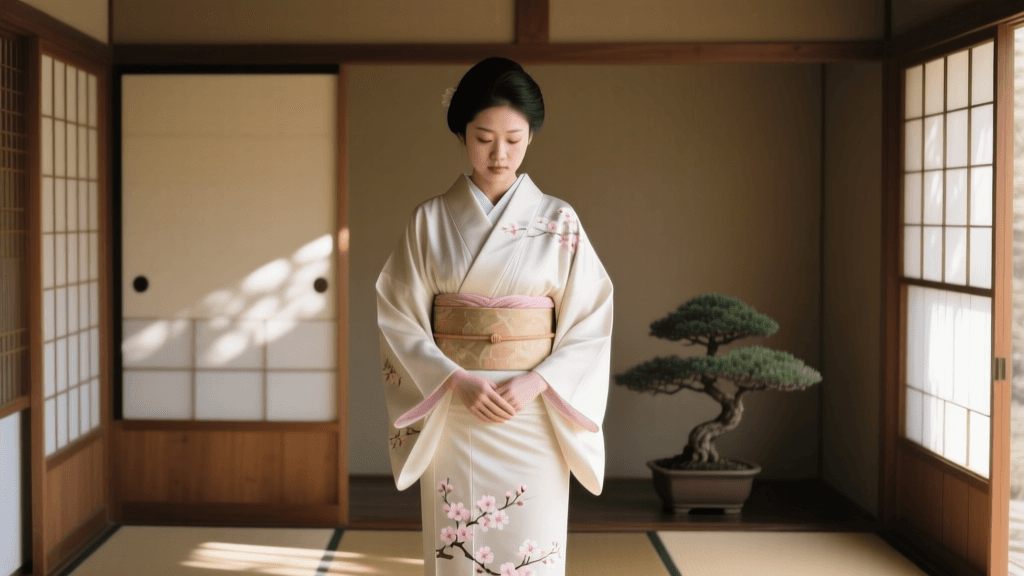
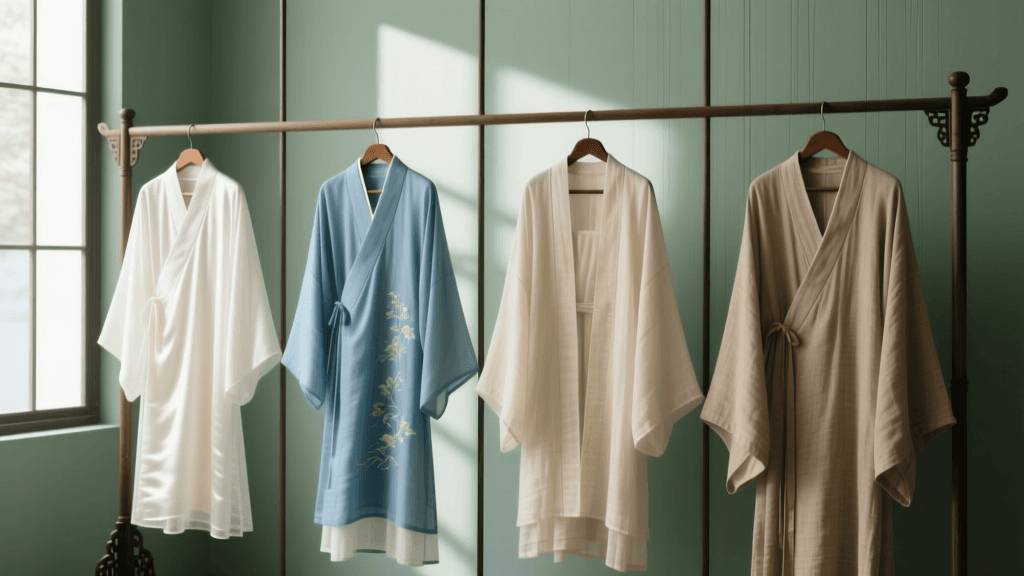
Formal Japanese Kimono Types And Styling Guide 2026
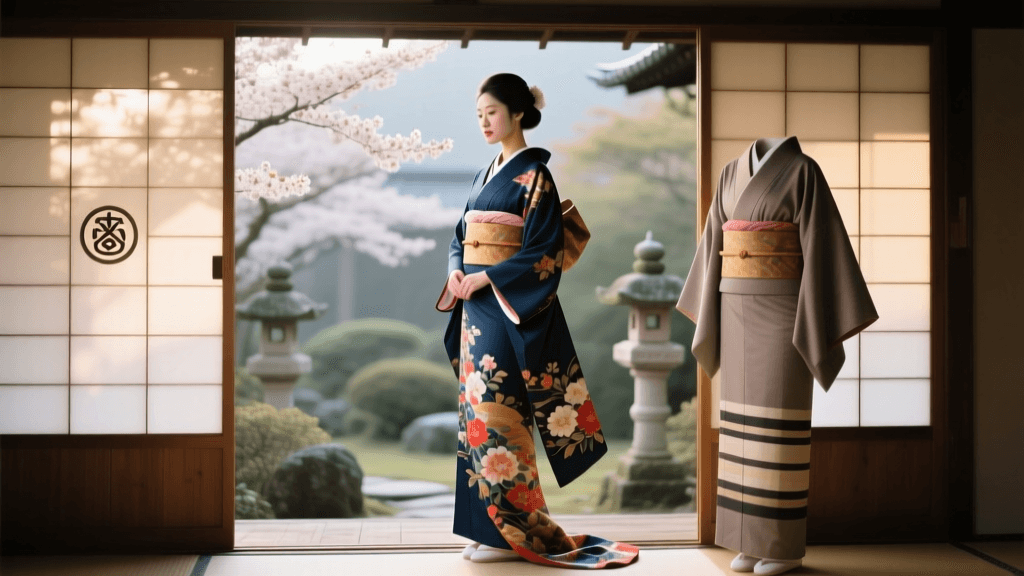
The Resurgence of Formal Japanese Kimono in 2026
As we navigate the global fashion landscape of 2026, the Japanese kimono continues to command profound respect, seamlessly blending centuries of heritage with contemporary cultural pride. Far from being a static relic of the past, traditional Japanese garments are experiencing a vibrant renaissance. Driven by a renewed interest in sustainable fashion, artisanal craftsmanship, and cultural preservation, formal kimono types are being worn with pride at weddings, coming-of-age ceremonies, and high-society gatherings across Japan and the international diaspora.
However, the intricate rules of kitsuke (the art of dressing in a kimono) can be daunting for both newcomers and seasoned enthusiasts. Understanding the strict hierarchy of formality, the appropriate garment for specific life stages, and the precise layering techniques is essential. In this comprehensive 2026 guide, we decode the 'Big Three' formal Japanese kimono types—Furisode, Houmongi, and Tomesode—providing you with actionable styling advice, current market pricing, and essential layering protocols.
The Big Three: Formal Japanese Kimono Types Explained
Furisode (振袖) - The Unmarried Woman's Formal Wear
The Furisode is the most formal kimono for unmarried women, instantly recognizable by its dramatically long, swinging sleeves. Historically, the swinging motion of the sleeves was believed to ward off evil spirits and attract good fortune. Today, it remains the undisputed garment of choice for Seijin Shiki (Coming of Age Day) and formal university graduation ceremonies.
In 2026, Furisode sleeves are categorized into three distinct lengths:
- Oh-furisode (大振袖): The longest sleeve, measuring over 114 cm. This is the most formal and dramatic, often seen on brides during wedding reception changes or high-profile Coming of Age ceremonies.
- Chu-furisode (中振袖): The mid-length sleeve, measuring around 100 cm. This is the most common and versatile choice for formal parties and ceremonies.
- Ko-furisode (小振袖): The shortest formal sleeve, measuring around 85 cm. Frequently paired with hakama for graduation ceremonies, offering greater mobility.
Modern 2026 styling trends for Furisode lean toward bold, contemporary yuzen dyeing techniques, incorporating metallic leafing and 3D embroidery that catch the light beautifully in modern event photography.
Houmongi (訪問着) - The Versatile Semi-Formal to Formal Choice
Translating to 'visiting wear,' the Houmongi is a highly versatile garment that bridges the gap between semi-formal and formal occasions. Unlike the Furisode, it can be worn by both married and unmarried women. Its defining characteristic is the eba pattern—a continuous, picturesque design that flows seamlessly across the seams of the shoulders, sleeves, and lower hem when the kimono is laid flat.
The Houmongi is the standard attire for attending weddings (as a guest), formal tea ceremonies, and high-end cultural galas. In 2026, there is a distinct trend toward minimalist Houmongi designs, featuring subtle, tone-on-tone woven patterns and muted pastel palettes that appeal to modern aesthetic sensibilities while maintaining strict traditional formality.
Kurotomesode & Irotomesode (黒留袖・色留袖) - The Pinnacle of Formality
The Tomesode represents the absolute highest tier of formality for married women. The Kurotomesode (black Tomesode) is strictly reserved for the closest relatives of the bride and groom at a wedding, typically the mothers. It features a solid black background with a continuous, highly ornate pattern restricted only to the lower hem below the obi. Crucially, it must bear five kamon (family crests) placed on the back of the neck, both sleeves, and both sides of the chest.
The Irotomesode (colored Tomesode) follows the same structural rules but features a colored background. It is slightly less formal than the black version and can be worn by unmarried close relatives or married women attending imperial or highly formal state events. Depending on the number of crests (five, three, or one), the Irotomesode's formality can be adjusted.
2026 Comparison Chart: Formality, Pricing, and Specifications
Understanding the financial and structural commitment of formal kimono is vital. The 2026 market has seen a surge in high-quality vintage restorations and eco-friendly rental packages. Below is a comparative breakdown of the primary formal types.
| Kimono Type | Target Wearer | Formality Level | Avg. 2026 Rental Price (JPY) | Avg. 2026 Purchase Price (JPY) |
|---|---|---|---|---|
| Furisode | Unmarried Women | Highest (Unmarried) | ¥15,000 - ¥35,000 | ¥250,000 - ¥800,000+ |
| Houmongi | Married / Unmarried | High / Versatile | ¥10,000 - ¥25,000 | ¥150,000 - ¥500,000 |
| Kurotomesode | Married Women | Highest (Married) | ¥15,000 - ¥30,000 | ¥200,000 - ¥600,000 |
| Irotomesode | Married / Unmarried | Very High | ¥12,000 - ¥28,000 | ¥180,000 - ¥550,000 |
Note: Rental prices reflect comprehensive 2026 boutique packages including undergarments, obi, accessories, and professional dressing services in major hubs like Kyoto and Tokyo.
Essential Layering and Undergarments (Kitsuke)
The silhouette of a formal kimono is not achieved by the outer garment alone, but through a meticulous layering process known as kitsuke. In 2026, modern dressing aids have made this process more accessible, though the traditional layers remain non-negotiable for formal wear.
- Hadajuban & Susoyoke: The foundational layer. This two-piece cotton or silk undergarment set absorbs sweat and protects the expensive outer silk from skin oils. Modern 2026 variants often feature moisture-wicking synthetic blends for summer wear.
- Nagajuban: The inner kimono. Only the collar (han-eri) and the lower hem are visible once fully dressed. For formal wear, a silk Nagajuban in white or subtle pastels is required.
- Koshihimo: Long, narrow cotton or silk ties used to secure the various layers at the waist and chest. A minimum of four is usually required for formal dressing.
- Date-jime: A wider, stiffer sash tied over the koshihimo to flatten the waist and provide a smooth, cylindrical base for the obi.
- Obi-ita: A stiff board inserted between the obi layers to prevent wrinkling and ensure a crisp, flat appearance at the front of the waist.
- Tabi: Traditional split-toe socks. For all formal kimono types, pure white cotton Tabi are mandatory.
- Zori: Formal slip-on sandals. For Furisode and Tomesode, these are typically covered in brocade or gold/silver leaf, featuring a thick, padded sole.
Modern Styling and Accessories for 2026
The Fukuro Obi is the standard formal sash for all three kimono types discussed. Measuring approximately 30 cm in width and 4.2 meters in length, it is woven with intricate metallic threads. In 2026, the Otaiko Musubi (drum knot) remains the standard tie for Houmongi and Tomesode, projecting maturity and elegance, while the Fukura Suzume (sparrow knot) or elaborate floral knots are preferred for the youthful Furisode.
Accessories provide the final polish. The Obi-jime (a braided cord tied over the obi) and Obi-age (a silk scarf peeking above the obi) are critical for color coordination. Current 2026 styling trends favor high-contrast Obi-jime cords in deep jewel tones to anchor lighter pastel kimono fabrics. Furthermore, hair accessories (Kanzashi) have evolved; while traditional lacquered and tortoiseshell pieces remain popular for weddings, modern artisans are creating lightweight, minimalist metal and acrylic Kanzashi that complement contemporary updos without causing hair damage.
Caring for Silk Kimono in 2026
Formal kimono are almost exclusively crafted from high-grade silk, requiring specialized care. The traditional method of Maru-arai involves a master artisan completely unpicking the kimono's seams, washing the individual fabric bolts, stretching them on a frame to dry, and re-sewing the garment. While this remains the gold standard for deep cleaning, it is highly expensive and time-consuming.
Fortunately, 2026 has seen the widespread adoption of advanced, non-aqueous spot-cleaning technologies and climate-controlled storage solutions. Many specialized kimono boutiques now offer eco-friendly solvent cleaning that removes localized stains without dismantling the garment. When storing formal kimono at home, it is imperative to use acid-free tatou-shi (wrapping paper) and avoid plastic covers, which trap humidity and cause devastating mold or yellowing. Regular airing out during dry, autumn weeks is still the most effective preventative maintenance.
Authoritative Resources and Further Reading
To deepen your understanding of the historical evolution and structural nuances of these garments, consulting museum archives and cultural institutions is highly recommended. According to The Metropolitan Museum of Art's Heilbrunn Timeline of Art History, the structural foundation of the kimono as a T-shaped, straight-lined robe was solidified during the Edo period, establishing the strict sartorial codes that still influence formal wear today.
For further exploration of Asian textile heritage, dyeing techniques, and the global impact of Japanese garments, the Smithsonian National Museum of Asian Art offers extensive digital archives and exhibition catalogs that detail the painstaking yuzen and shibori techniques used to create the masterpieces worn in contemporary formal settings.