Modern Kimono Styling Guide: Sustainable Silks and Layering 2026
The Japanese kimono is experiencing a profound renaissance in 2026, evolving far beyond its reputation as a static historical artifact or mere ceremonial costume. Today, the kimono represents a dynamic intersection of ancestral craftsmanship, contemporary street fashion, and urgent eco-consciousness. As global and domestic consumers demand greater transparency in textile production, Japan's traditional garment industry has responded with groundbreaking innovations in sustainable sericulture, botanical dyeing, and modern styling techniques. Whether you are navigating the bustling streets of Tokyo's Daikanyama district or attending a formal tea ceremony in Kyoto, understanding the modern kimono landscape is essential for any enthusiast of Asian traditions.
In this comprehensive guide, we explore the defining kimono trends of 2026, focusing on sustainable silk alternatives, the intricate art of kasane (layering), and the practical economics of acquiring and maintaining these exquisite garments in the modern era.
The Renaissance of Sustainable Silk and Botanical Dyes
Historically, silk production was a resource-intensive process, but 2026 has ushered in a new era of eco-friendly sericulture. Regions famous for their textile heritage, such as Gunma and Nagano, are now pioneering traceable, low-impact silk farming. According to research and exhibitions highlighted by the Kyoto Costume Institute, contemporary weavers are increasingly blending traditional Tsumugi (pongee) silk with recycled fibers and Washi (Japanese paper) threads to create textiles that are both durable and biodegradable.
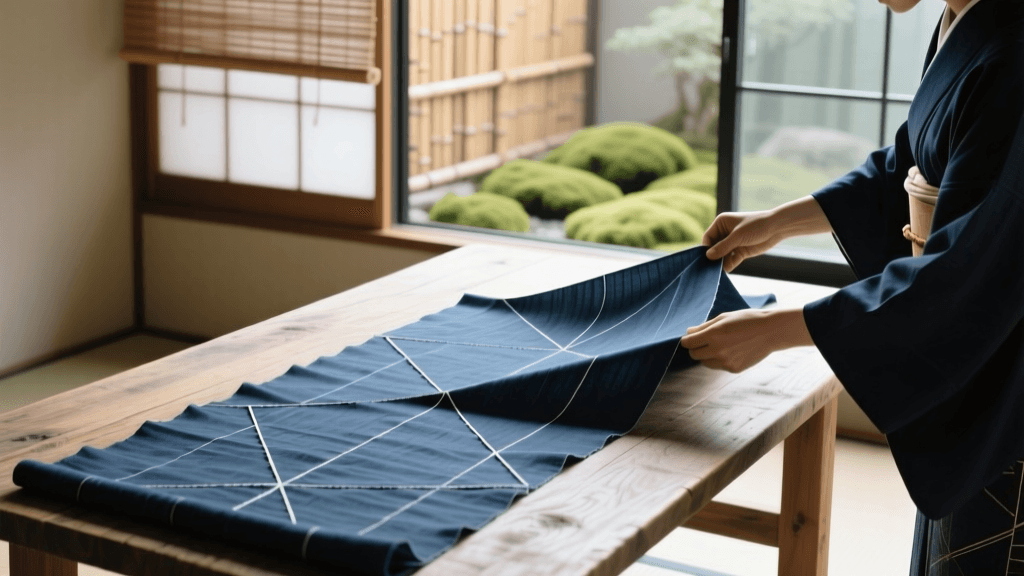
Furthermore, the chemical-heavy dyeing processes of the late 20th century have been largely replaced by a return to botanical dyes, elevated by modern mordanting techniques that ensure colorfastness. Artisans are utilizing kakishibu (persimmon tannin) for rich, earthy browns that naturally repel water and insects, and aizome (natural indigo) for deep blues that possess inherent antibacterial properties. These sustainable textiles are not just environmentally responsible; they offer a unique, living patina that evolves with the wearer, a concept deeply rooted in the Japanese aesthetic of wabi-sabi.
The Art of Kasane: Modern Layering Techniques
Layering, or kasane, is the foundational principle of kimono styling. In 2026, the rigid rules of the past have been relaxed, allowing for personalized expressions of style while maintaining the garment's structural elegance. Proper layering ensures the kimono drapes correctly, protects the expensive outer silk from body oils, and provides seasonal temperature regulation.
1. The Foundation: Nagajuban and Hadajuban
The layering process begins with the hadajuban (undergarment) and the nagajuban (under-kimono). While traditional cotton remains popular, 2026 has seen a surge in nagajuban crafted from advanced bamboo-charcoal blends. These modern fabrics offer superior moisture-wicking and temperature control, making the kimono viable even during Japan's notoriously humid summers. The collar of the nagajuban, known as the haneri, is a prime canvas for personal expression. Contemporary stylists are pairing vintage, heavily embroidered haneri with minimalist, solid-colored outer kimonos to create a striking visual contrast at the neckline.
2. The Outer Layer: Kimono and Obi Integration
The outer kimono is wrapped left over right (right over left is strictly reserved for dressing the deceased) and secured with a koshihimo (tying cord). In 2026, elasticized, silicone-grip koshihimo have become the industry standard, replacing traditional cotton cords. These modern ties prevent the kimono from slipping during active movement without requiring the painful, overly tight binding of the past.
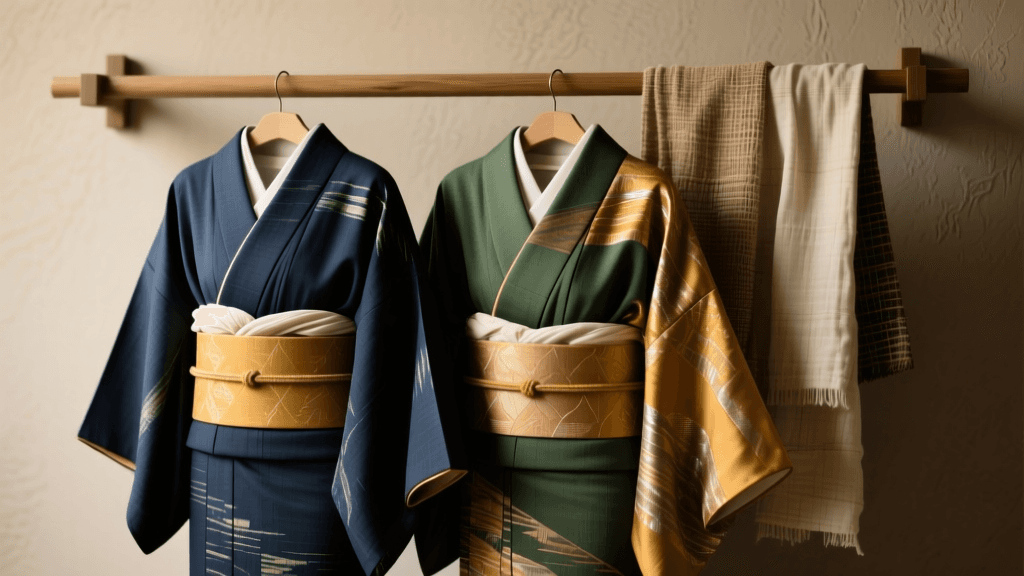
The obi (sash) is the centerpiece of the ensemble. While the elaborate, stiff maru obi is reserved for brides and highly formal occasions, the modern wardrobe favors the Nagoya obi and the hanhaba obi (half-width sash). The 2026 trend leans toward 'upcycled obi', where vintage brocades are carefully disassembled, cleaned, and re-tailored into lighter, more flexible sashes that are easier to tie into modern, architectural knots like the structured bunko (bow) or the sleek taiko (drum) knot.
Outerwear and Footwear: Adapting to Urban Environments
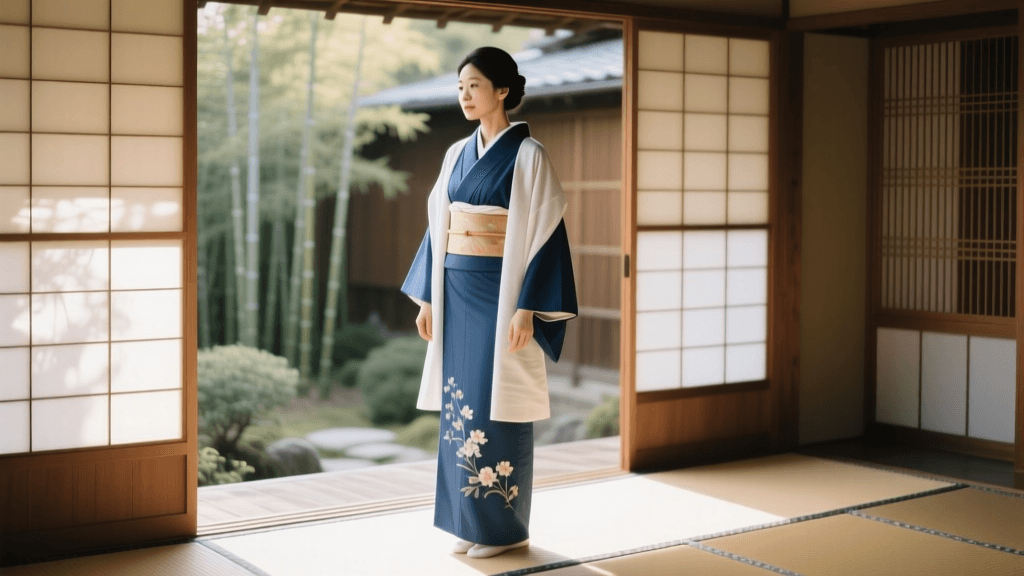
As the kimono integrates further into daily urban life, outerwear and footwear have adapted to meet the demands of modern transit and concrete landscapes. The haori (hip-length jacket) is currently enjoying massive popularity in 2026 as a versatile layering piece. Often worn open over a simple kimono, or even over Western dresses and tailored trousers, the haori bridges the gap between traditional attire and contemporary streetwear.
Footwear has also undergone a necessary evolution. Traditional zori (sandals) with woven rush or cloth covers are beautiful but impractical for wet city streets. Today's market offers zori with advanced polyurethane soles that mimic the texture of traditional tatami but provide the grip and shock absorption of a modern sneaker. Similarly, tabi (split-toe socks) are now widely available in stretch-knit fabrics with reinforced toe caps, accommodating the modern wearer's need for comfort during long days of walking. For those interested in broader cultural immersion, the Japan National Tourism Organization provides excellent resources on where to experience traditional crafts and modern adaptations firsthand.
2026 Kimono Market: Rental, Vintage, and Bespoke Pricing
Acquiring a kimono in 2026 offers a spectrum of choices, from highly accessible rental services to investment-grade bespoke tailoring. The market has shifted heavily toward the circular economy, with upcycled vintage garments dominating everyday fashion. Below is a comparative breakdown of the current market landscape.
| Acquisition Method | Average Cost (JPY) | Average Cost (USD) | Eco-Impact | Best Use Case |
|---|---|---|---|---|
| Upcycled Vintage Set | ¥15,000 - ¥45,000 | $100 - $300 | Very Low (Circular) | Daily wear, casual outings, street fashion |
| Modern Artisan Rental | ¥5,000 - ¥12,000 (per day) | $35 - $80 (per day) | Low (Shared use) | Festivals, tourism, seasonal events |
| Washable 'Daily' Kimono | ¥30,000 - ¥60,000 | $200 - $400 | Moderate (New production) | Frequent wear, travel, beginners |
| Bespoke Sustainable Silk | ¥300,000 - ¥800,000+ | $2,000 - $5,300+ | Moderate (Ethical farming) | Formal ceremonies, heirloom investment |
As noted by the Agency for Cultural Affairs in Japan, the preservation of traditional techniques is increasingly supported by consumers willing to invest in bespoke, ethically made garments, ensuring that master weavers and dyers can sustain their livelihoods in a modern economy.
Garment Care and Preservation in the Modern Era
Proper care is vital to maintaining the longevity and value of a kimono. The traditional practice of mushiboshi (airing out garments in the dry autumn breeze) remains highly recommended in 2026 to prevent mold and moisture damage. However, modern storage solutions have improved significantly. Breathable, non-woven fabric storage bags infused with natural hinoki (cypress) wood chips are now the standard, replacing the airtight plastic boxes that historically trapped humidity and caused silk to rot.
For everyday maintenance, the invention of high-quality 'washable silk' has been a game-changer. Utilizing a specialized degumming and re-treatment process, these modern silks can be gently hand-washed using pH-neutral detergents, eliminating the need for expensive and chemically harsh professional dry cleaning. For vintage or heavily embroidered pieces, however, professional arai-hari (a traditional service where the kimono is taken apart, washed as flat fabric bolts, and re-sewn) remains the gold standard for restoration.
Conclusion
The kimono of 2026 is a testament to the resilience and adaptability of Japanese culture. By embracing sustainable textiles, modernizing the layering process for contemporary comfort, and fostering a robust circular economy through vintage and rental markets, the kimono has secured its place not just as a symbol of Japan's past, but as a vital, breathing component of its fashion future. Whether you are tying your first hanhaba obi or investing in a bespoke, botanically dyed heirloom, participating in this tradition connects you to a lineage of artistry that continues to beautifully evolve.