Kimono, Yukata & Haori: 2026 Japanese Garment Guide
The Renaissance of Wafuku in 2026
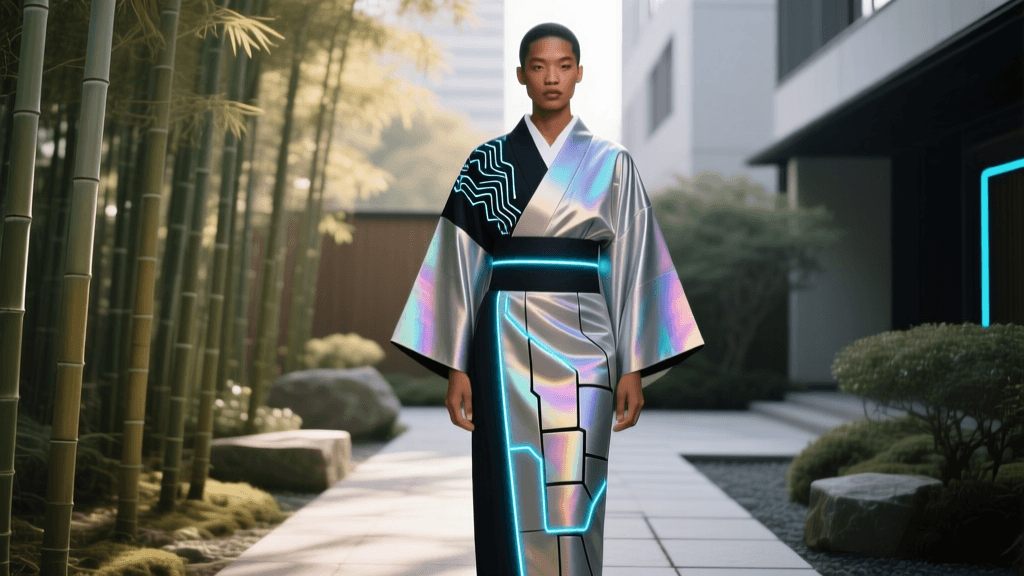
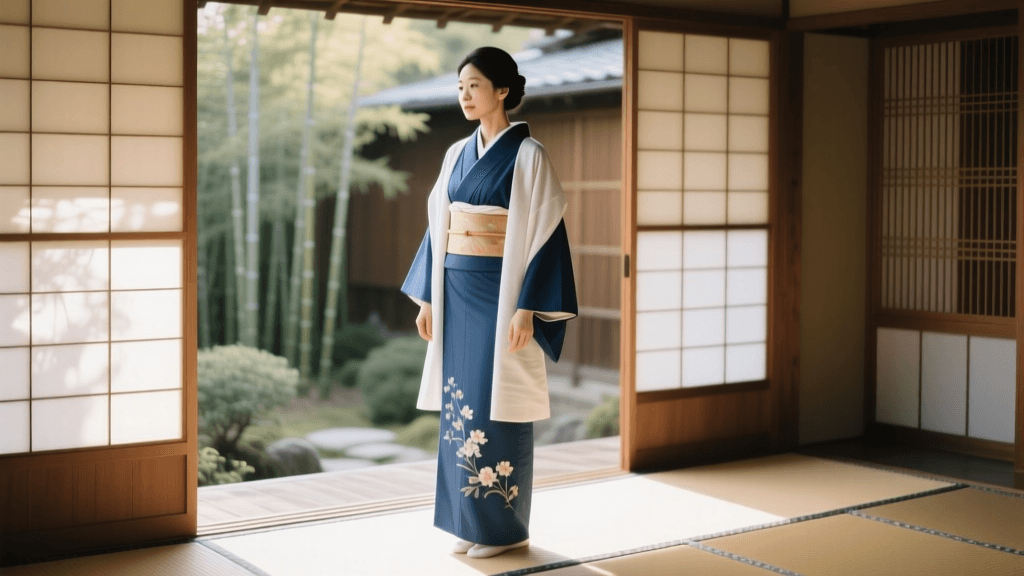
The landscape of traditional Japanese clothing, collectively known as wafuku, has experienced a profound renaissance in 2026. No longer confined to ceremonial occasions or historical reenactments, garments like the kimono, yukata, and haori are being embraced by a global audience seeking sustainable, artisan-crafted, and deeply meaningful fashion. According to the Metropolitan Museum of Art's extensive archives on Japanese dress, the T-shaped silhouette of the kimono has remained remarkably consistent for centuries, yet the way it is styled, sourced, and integrated into contemporary wardrobes continues to evolve. Today's enthusiasts are blending heritage textiles with modern eco-conscious sensibilities, driving a surge in demand for both meticulously preserved vintage pieces and innovative, sustainable neo-wafuku.
Deconstructing the Core Trio: Kimono, Yukata, and Haori
To navigate the 2026 market, one must first understand the distinct roles, constructions, and formalities of the three most prominent Japanese garments.
The Kimono: The Formal Standard
The kimono is the quintessential Japanese garment. Translating literally to 'thing to wear,' it is a T-shaped, straight-lined robe with attached collars and wide, long sleeves. In 2026, authentic silk kimono remain the gold standard for formal events such as weddings, tea ceremonies, and coming-of-age celebrations. The formality of a kimono is dictated by its fabric, the number of family crests (mon), and the dyeing technique. For instance, a Kurotomesode (black kimono with patterns only below the waist and five crests) is the most formal attire for married women, while a Furisode (featuring swinging, floor-length sleeves) is worn by unmarried women. The construction relies on straight cuts of fabric, minimizing waste and allowing the garment to be entirely disassembled, washed, and resewn—a practice that aligns perfectly with 2026's zero-waste fashion movements.
The Yukata: The Summer Staple
Originally designed as a bathrobe for the nobility during the Heian period, the yukata has evolved into the ultimate casual summer garment. Unlike the multi-layered silk kimono, the yukata is unlined and traditionally made from breathable cotton or hemp. In 2026, we are seeing a massive trend in yukata made from advanced, moisture-wicking organic cotton blends and upcycled textiles. It is the garment of choice for summer matsuri (festivals), fireworks displays, and onsen (hot spring) resorts. Because it lacks the complex inner layers of a formal kimono, the yukata is the most accessible entry point for international buyers and beginners in the art of kitsuke (dressing).
The Haori: The Versatile Jacket
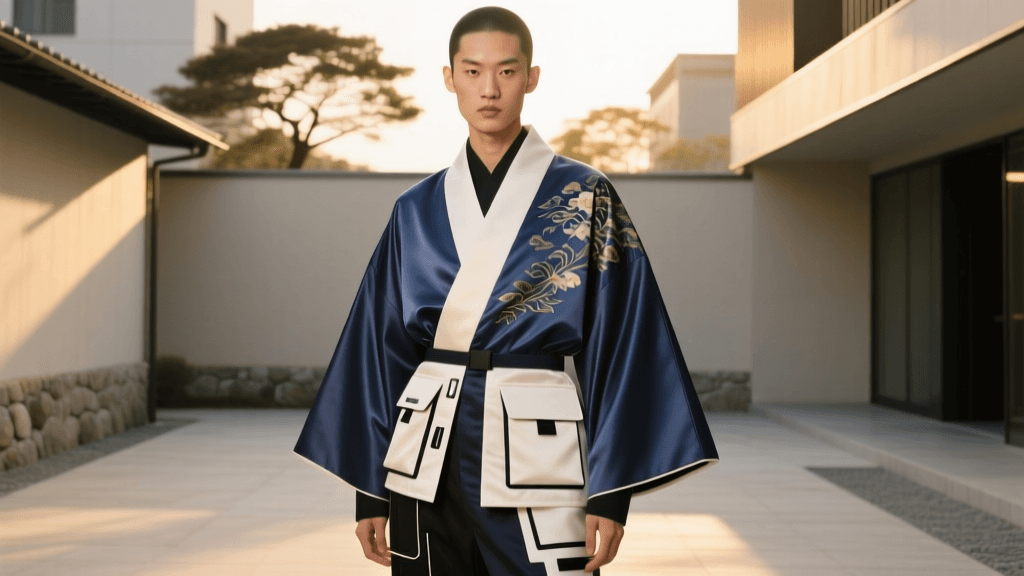
The haori is a hip- or thigh-length jacket worn over a kimono. Historically worn by men and later adopted by women during the Edo period, the haori has become the darling of modern global fashion in 2026. Its open front and forgiving silhouette make it incredibly versatile. While traditionally paired with formal kimono, contemporary styling frequently sees vintage silk haori worn open over turtlenecks, denim, and wide-leg linen trousers. The haori requires no complex tying or folding, making it a highly practical way to incorporate Japanese heritage textiles into a daily, modern wardrobe.
2026 Fabric Innovations and Traditional Textiles
The soul of any Japanese garment lies in its textile. The 2026 market honors ancient techniques while embracing modern necessities.
- Nishijin-ori: Originating from Kyoto, this intricate brocade weaving technique uses pre-dyed threads to create lavish, multi-dimensional patterns. A newly commissioned Nishijin-ori obi (sash) remains a luxury investment in 2026, often costing upwards of 300,000 JPY.
- Yuzen Dyeing: A resist-dyeing technique that allows for painterly, highly detailed designs directly on the silk. Kyo-Yuzen (Kyoto style) is known for its elegant, classical motifs, while Kaga-Yuzen (Kanazawa style) features realistic, nature-inspired botanicals.
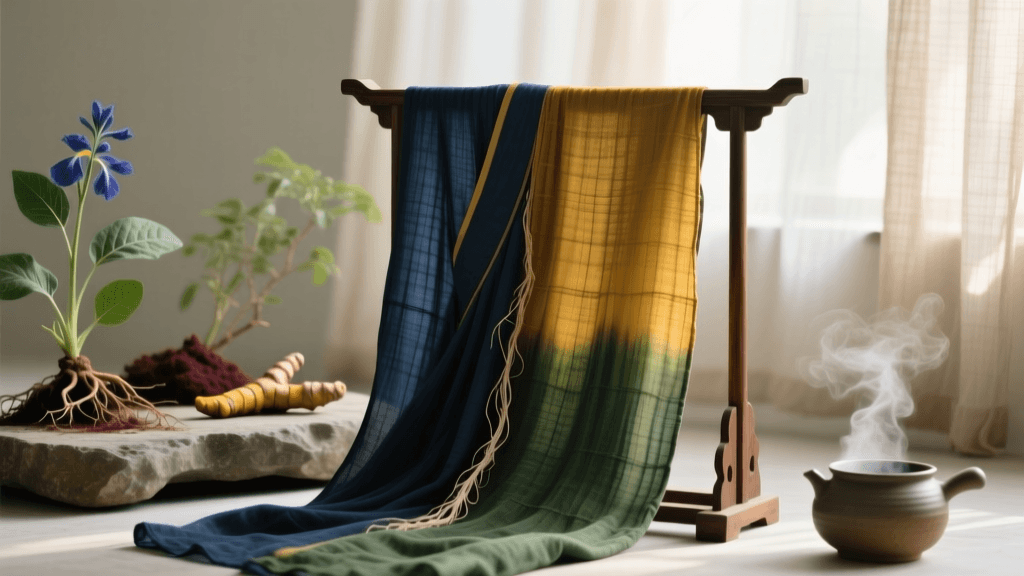
- Washable Silk & Eco-Blends: Addressing the high maintenance of traditional silk, 2026 has seen the widespread adoption of treated 'washable silks' and high-tech recycled polyesters that perfectly mimic the drape and luster of habutae silk. These innovations have made daily kimono wearing practical for modern urbanites.
Sizing, Proportions, and the Art of Kitsuke
Unlike Western clothing, traditional Japanese garments do not rely on tailored curves or strict sizing charts (S, M, L). Instead, they are tailored to specific vertical measurements and adjusted during the dressing process. The most critical measurement is the mitake (back length), which should ideally match the wearer's height from the nape of the neck to the ankle.
| Garment Type | Standard Length (Mitake) | Sleeve Drop (Sodetake) | Formality Level | Best 2026 Use Case |
|---|---|---|---|---|
| Furisode Kimono | 155cm - 170cm | 100cm - 114cm | Ultra-Formal | Coming-of-Age, Weddings |
| Komon Kimono | 150cm - 165cm | 49cm - 52cm | Casual/Semi-Formal | Dining, Theater, Daily Wear |
| Yukata | 155cm - 165cm | 49cm - 52cm | Informal | Summer Festivals, Lounging |
| Haori | 75cm - 90cm | 49cm - 52cm | Variable | Layering, Modern Streetwear |
The magic of kitsuke lies in the ohashori—the horizontal fold created at the waist to adjust the kimono's length to the wearer's exact height. In 2026, pre-tied tsuke-obi (clip-on sashes) and elastic koshi-himo (tying cords) have revolutionized the dressing process, allowing individuals to achieve a flawless, traditional silhouette in under ten minutes without the need for a professional dresser.
The Obi: The Anchor of the Silhouette
No kimono or yukata is complete without the obi, the wide sash that secures the garment. The obi is often more expensive and intricate than the kimono itself. In 2026, collectors and stylists focus heavily on the following types:
- Fukuro Obi: The most common formal obi, woven with intricate patterns on one side and lined with plain silk. It is versatile enough for most ceremonial occasions.
- Nagoya Obi: Invented in the 1920s for ease of wear, it is pre-folded and stitched at one end, making it the preferred choice for semi-formal and casual daily kimono wear.
- Hanhaba Obi: A 'half-width' obi used exclusively with yukata and casual wool or cotton kimono. The 2026 trend favors vintage Hanhaba obi featuring playful, retro Showa-era pop motifs.
Pricing, Acquisition, and the Vintage Market
The 2026 acquisition landscape for Japanese garments is bifurcated into the artisan/new market and the thriving vintage sector. Due to the aging population of traditional weavers and dyers, newly commissioned, handcrafted silk kimono are considered luxury investments, with full ensembles (kimono, obi, and accessories) frequently exceeding 500,000 JPY ($3,500 USD).
Conversely, the vintage market is booming. High-quality Showa-era (1926–1989) silk kimono can be found in excellent condition at specialty recyclers and online auction houses for between 5,000 and 30,000 JPY ($35 to $210 USD). This accessibility has fueled the 'upcycling' movement, where damaged vintage kimono are carefully deconstructed to create modern accessories, patchwork jackets, and interior textiles. For those seeking an authentic cultural immersion and direct access to multi-generational ateliers, traveling to Kyoto remains the ultimate pilgrimage. The Japan National Tourism Organization (JNTO) continues to promote specialized craft tours in Kyoto's Nishijin district, allowing buyers to commission bespoke pieces directly from master weavers.
Modern Care and Preservation
Preserving these garments requires an understanding of both traditional methods and modern conveniences. Silk kimono should never be washed at home. Historically, they underwent arai-hari, a process where the garment is completely unstitched, washed as flat panels of fabric, stretched on bamboo frames, and resewn. In 2026, specialized mail-in arai-hari services and advanced ozone-cleaning technologies have made maintaining vintage silk safer and more accessible than ever.
For storage, the traditional tansu (chest of drawers) made from camphor or paulownia wood remains the gold standard, as the wood naturally regulates humidity and repels insects. However, modern collectors often use acid-free tissue paper and breathable cotton storage sleeves in climate-controlled environments. As noted by the Victoria and Albert Museum's extensive research on kimono preservation, protecting these textiles from direct UV light and fluctuating humidity is paramount to ensuring their survival for future generations.
Footwear: Zori and Geta in the Modern Era
The silhouette is finalized with traditional footwear. Zori are flat, sandal-like shoes made of vinyl, leather, or brocade, worn with split-toe tabi socks for formal occasions. Geta are elevated wooden clogs that keep the hem of the garment clear of the ground, typically paired with yukata. In 2026, ergonomic advancements in tabi manufacturing, including the integration of memory foam insoles and moisture-wicking bamboo fibers, have vastly improved the comfort of traditional footwear for all-day wear at festivals and weddings.
Conclusion: Embracing the Heritage
The Japanese traditional garment ecosystem in 2026 is a vibrant intersection of history, artistry, and modern lifestyle. Whether you are draping a casual cotton yukata for a summer evening, layering a vintage silk haori over contemporary streetwear, or investing in a bespoke Nishijin-ori kimono for a milestone celebration, you are participating in a living tradition. By understanding the distinct types, mastering the basics of proportion, and supporting both sustainable innovations and heritage artisans, enthusiasts can ensure that the profound beauty of wafuku continues to thrive on the global stage.