Hanfu Family Ceremonies 2026: Birth, Wedding & Ancestral Rites
The Renaissance of Hanfu in Modern Family Milestones
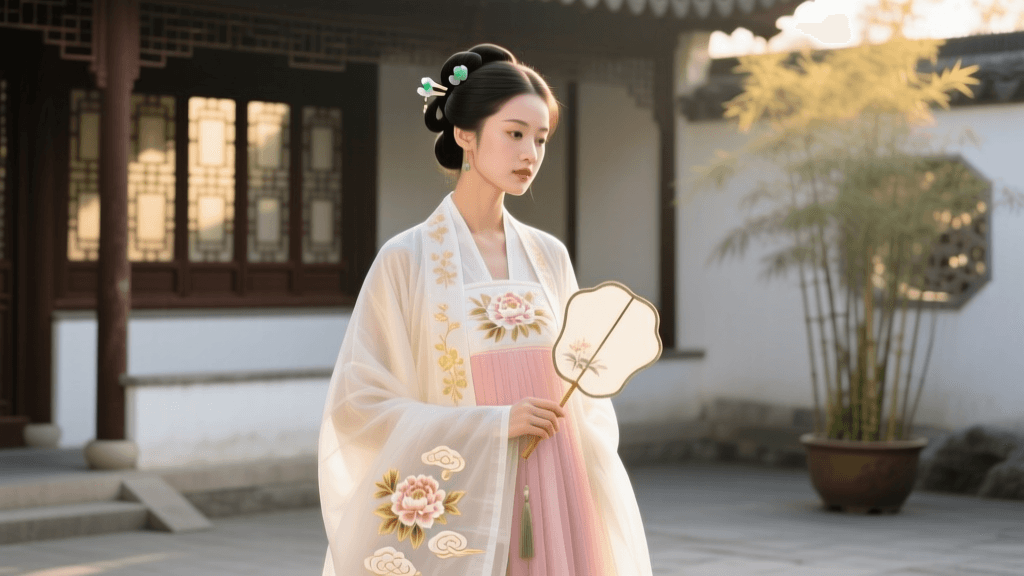
As we navigate through 2026, the Hanfu movement has matured far beyond a niche internet subculture or casual streetwear trend. Today, traditional Chinese clothing is deeply embedded in the fabric of major family milestones. From the joyful chaos of a child's first birthday to the solemn reverence of ancestral memorials, Hanfu provides a profound sartorial link to Chinese heritage. Modern families are increasingly seeking authenticity, turning to historically accurate silhouettes, sustainable textiles, and bespoke tailoring to honor their roots. This comprehensive guide explores the etiquette, styling, and practical considerations for wearing Hanfu at birth celebrations, weddings, and ancestral rites in 2026.
Birth Celebrations and Coming of Age Rites
Zhuazhou (The First Birthday)
The Zhuazhou ceremony, held on a child's first birthday, is a beloved tradition where the infant is presented with various objects symbolizing potential career paths and life fortunes. For this joyous occasion in 2026, parents are favoring Ming-style Aoqun (jacket and skirt sets) tailored specifically for toddlers. The focus is on comfort and safety: premium brands like Shisanyu and independent artisans are utilizing GOTS-certified organic cotton and peace silk (Ahimsa silk) to ensure the garments are hypoallergenic and breathable. Colors are typically vibrant—think peach pink, soft jade, and auspicious red—embroidered with motifs of tigers or lotuses to ward off evil spirits and bless the child with purity.
Guan Li and Ji Li (Coming of Age)
The transition into adulthood is marked by the Guan Li (capping ceremony for men) and Ji Li (hair-pinning ceremony for women), typically celebrated around the age of twenty. These rites require a more structured and dignified aesthetic. For young men, the Shenyi (deep robe) remains the gold standard, featuring the iconic cross-collar right lapel (Jiaoling Youren) that symbolizes the harmony of yin and yang. Young women often don the elegant Song-style Beizi paired with a pleated Baidi skirt. In 2026, it is customary to gift the celebrant a bespoke jade or sandalwood hairpin, elevating the historical accuracy of the ensemble while serving as a cherished family heirloom.
Wedding Attire: The Pinnacle of Ceremonial Hanfu
Ming-Style Fengguan Xiapei
The Ming dynasty aesthetic continues to dominate the Hanfu wedding market in 2026. The Fengguan Xiapei (phoenix crown and cloud scarf) ensemble is widely considered the ultimate expression of marital grandeur. Brides typically wear a richly embroidered red or deep crimson Mamianqun (horse-face skirt) paired with a heavily brocaded Yuanlingpao (round-collar robe) or a formal Dahu. The craftsmanship required for these pieces is staggering; authentic gold-woven Zhijin techniques are highly sought after. According to historical textile analyses preserved by institutions like The Metropolitan Museum of Art, Ming court dress was characterized by its imposing silhouettes and intricate badge systems, elements that modern bridal Hanfu adapts into auspicious dragon and phoenix motifs.
Tang and Song-Style Alternatives
While Ming styles are regal, some couples in 2026 are opting for the romantic flair of Tang dynasty weddings, characterized by the striking contrast of a green bridal robe and a red groom's robe, or the minimalist, refined elegance of Song dynasty formalwear. The Tang-style Qixiong Ruqun (chest-high skirt) offers a glamorous, sweeping silhouette, though it requires meticulous tailoring to ensure security and comfort throughout a long wedding day.
Ancestral Rites and Memorials (Ji Ri)
Ancestral worship and memorial rites (Ji Ri or Qingming Festival observances) demand an entirely different sartorial approach. Rooted deeply in filial piety, these ceremonies require modesty, restraint, and respect. As detailed in cultural studies of ancestor worship traditions, the physical presentation of the living reflects their reverence for the departed. In 2026, the preferred attire for these solemn occasions includes the Song-style Beizi or the Ming-style Daopao for men.
Color palettes are strictly muted: navy blue, charcoal, dark olive, and unbleached linen tones are standard. Flashy embroidery, metallic threads, and bright reds are strictly avoided. The focus shifts to the quality of the fabric and the purity of the cut. Many families are turning to raw, un-dyed hemp or heavy matte silk, honoring the ancient tradition of mourning garments while maintaining a dignified, modern aesthetic suitable for temple visits and family altar ceremonies.
2026 Hanfu Ceremony Cost and Fabric Guide
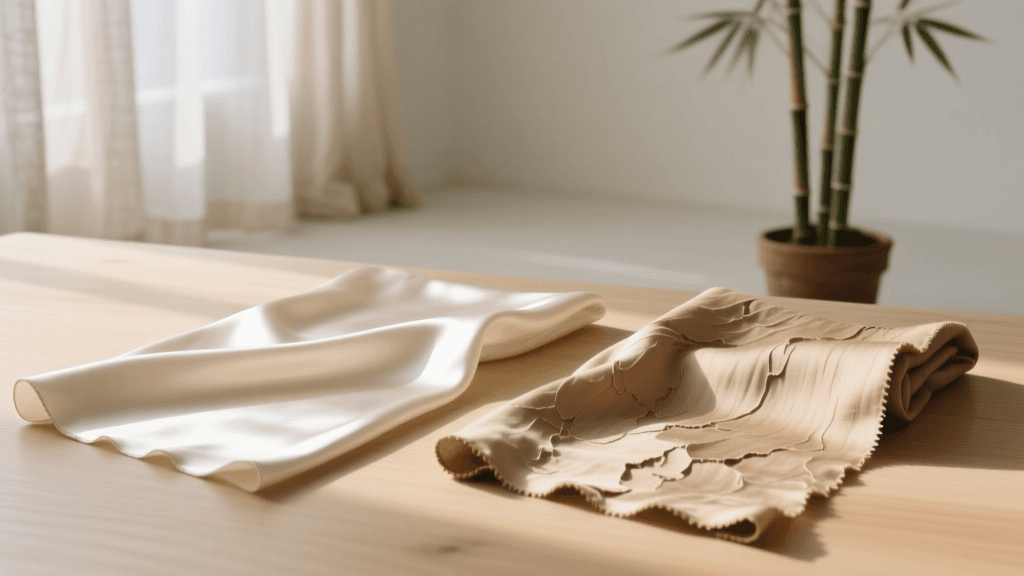
Navigating the market for ceremonial Hanfu requires an understanding of fabric grades and pricing tiers. The integration of sustainable textiles has shifted the market in 2026, with eco-friendly dyes and ethically sourced silks becoming standard for mid-to-high-tier brands. The global recognition of Chinese sericulture and silk craftsmanship has also driven a premium on authentic, heritage-method fabrics like Xiangyunsha (gambiered silk).
| Ceremony Type | Recommended Style | Primary Fabric (2026 Trends) | Average Cost (USD) | Key Accessories |
|---|---|---|---|---|
| Zhuazhou (1st Birthday) | Ming-style Aoqun | Organic Cotton / Ahimsa Silk | $80 - $250 | Tiger-head shoes, soft caps |
| Ji Li / Guan Li (Coming of Age) | Shenyi / Song Beizi | Crepe Silk / Linen Blends | $200 - $600 | Jade hairpins, Guan (caps) |
| Wedding (Bride) | Ming Fengguan Xiapei | Heavy Brocade / Xiangyunsha | $800 - $3,500+ | Phoenix crown, cloud scarf |
| Wedding (Groom) | Ming Yuanlingpao | Silk Twill / Damask | $500 - $1,800 | Wusha hat, leather boots |
| Ancestral Rites (Ji Ri) | Song Beizi / Ming Daopao | Raw Hemp / Matte Silk | $150 - $450 | Minimalist jade pendants |
Tailoring, Sizing, and Modern 2026 Innovations
One of the most significant advancements in the 2026 Hanfu market is the democratization of bespoke tailoring. Historically, achieving the perfect drape for wide-sleeved robes and pleated Mamianqun required multiple in-person fittings. Today, leading ateliers utilize AI-driven 3D body scanning apps that allow customers to capture precise measurements via their smartphones. This technology ensures that critical structural elements—such as the placement of the shoulder seam and the exact length of the Pipa sleeves—align perfectly with the wearer's proportions.
When ordering or tailoring your ceremonial Hanfu, always remember the foundational rule of Jiaoling Youren: the left side of the collar must always cross over the right side. Reversing this (right over left) is historically reserved for the deceased and is considered highly inauspicious for joyous ceremonies. Furthermore, for wedding skirts, ensure the pleats are heat-set using modern eco-resins, a 2026 innovation that prevents the heavy silk skirts from losing their sharp, architectural folds during hours of kneeling and bowing.
Preserving the Garments for Future Generations
Ceremonial Hanfu is rarely a one-time purchase; it is an investment meant to be passed down. Proper storage is crucial. Avoid wire hangers, which distort the delicate shoulder lines of robes. Instead, use padded, wide-shouldered hangers for heavy brocades, and store folded silk skirts in acid-free tissue paper within cedar chests to naturally repel moths without the use of harsh chemical mothballs. By treating these garments with the same reverence as the ceremonies they represent, families ensure that their cultural heritage remains vibrant, tangible, and beautifully preserved for the generations to come.