Mulberry vs Tussah Silk for Hanbok & Kimono Making 2026
The Foundation of East Asian Elegance in 2026
As we navigate the global textile market in 2026, the renaissance of traditional East Asian garment making continues to inspire both heritage artisans and modern fashion designers. At the heart of this movement is the careful selection of fabrics, particularly silk, which remains the undisputed queen of fibers for constructing authentic Kimono and Hanbok. However, not all silk is created equal. The choice between Mulberry silk and Tussah (wild) silk fundamentally alters the drape, sheen, durability, and ceremonial appropriateness of the final garment. Understanding the nuanced differences between these two fibers is essential for anyone looking to source, design, or construct traditional Asian garments today.
Historically, the cultivation of silk has been a closely guarded secret and a cornerstone of Asian economies. According to Encyclopædia Britannica, sericulture—the breeding and management of silkworms for silk production—has evolved significantly over the centuries, yet the fundamental biological differences between domesticated and wild silkworms remain the defining factors in textile quality. In 2026, with sustainability and ethical sourcing at the forefront of the textile industry, knowing exactly what you are buying and how it will behave during the construction of a Furisode or a Hwarot is more critical than ever.
Mulberry Silk: The Gold Standard for Formal Wear
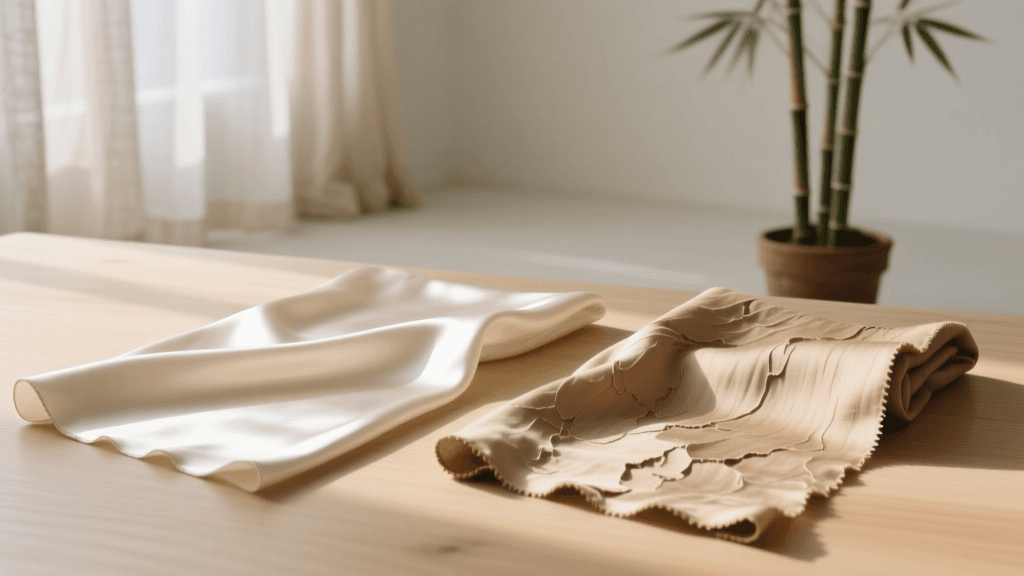
Mulberry silk is produced by the domesticated silkworm, Bombyx mori, which is fed an exclusive diet of fresh mulberry leaves. This controlled environment results in a fiber that is exceptionally uniform, smooth, and brilliant white before dyeing. The continuous filament can be unreeled in a single, unbroken thread that can measure over a mile in length. This structural integrity gives Mulberry silk its characteristic high sheen, luxurious drape, and buttery soft hand-feel.
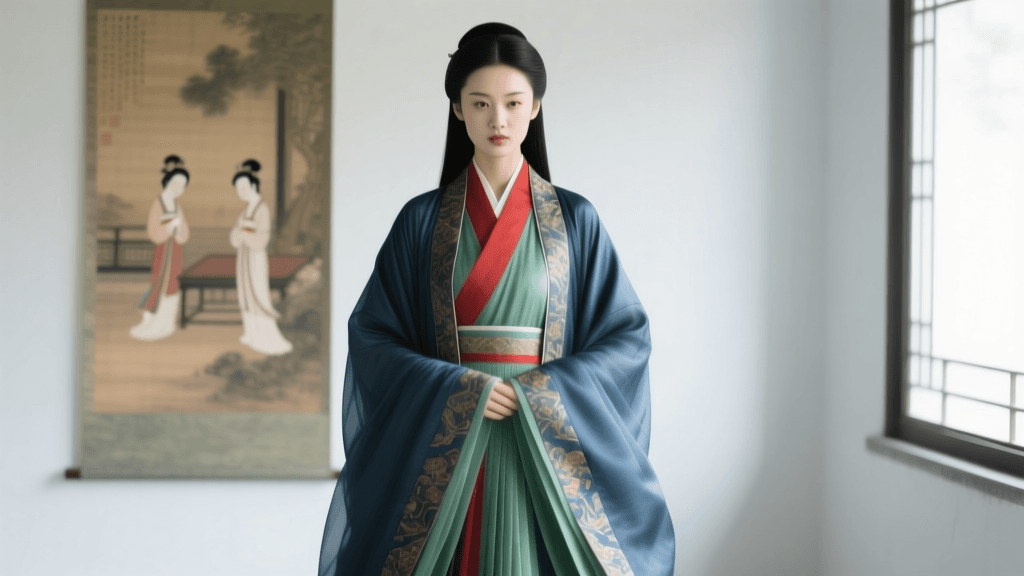
In the context of traditional Japanese Kimono, Mulberry silk is the mandatory choice for formal wear. Varieties such as Habutai (a soft, plain-weave silk), Chirimen (a highly textured crepe silk), and Rinzu (a glossy damask silk) are all woven from Mulberry threads. These fabrics take brilliantly to complex dyeing techniques like Yuzen and Shibori, allowing for the vivid, intricate patterns required on formal garments like the Kurotomesode (married women's formal kimono) or Furisode (unmarried women's formal kimono). The Metropolitan Museum of Art notes that the historical prestige of East Asian silk garments is intrinsically linked to the luminous quality of cultivated Mulberry silk, which catches the light in a way that synthetic or wild fibers simply cannot replicate.
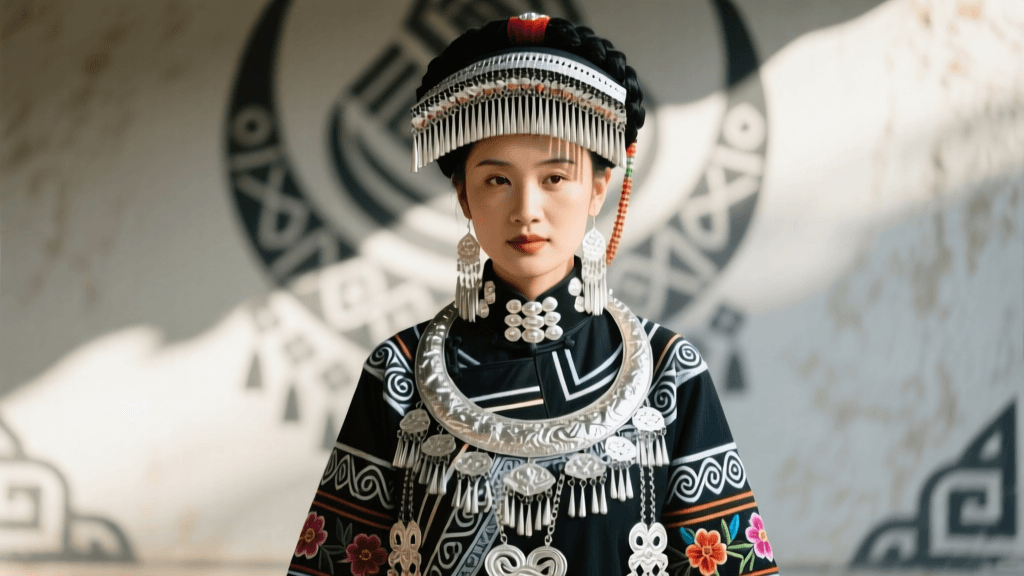
For Korean Hanbok, high-grade Mulberry silk is traditionally used for the Dangui (a formal jacket worn by royalty and nobility) and the Hwarot (a traditional bridal robe). The crisp yet fluid drape of Mulberry silk allows the Hanbok's characteristic bell-shaped skirt (Chima) to hold its voluminous structure while maintaining an elegant, sweeping movement.
Tussah Silk: The Rustic Charm of Wild Silk
Tussah silk, often referred to as wild silk, is produced by various species of wild silkworms, most notably Antheraea mylitta and Antheraea pernyi. Unlike their domesticated counterparts, these moths feed on oak, juniper, and other wild forest leaves. Because the moths are allowed to mature and break out of their cocoons naturally, the silk fibers are shorter, staple-length, and must be spun rather than reeled. This results in a fabric with a distinctly uneven, slubbed texture, a matte finish, and a natural tan or beige color.
While it lacks the blinding sheen of Mulberry silk, Tussah silk is highly prized for its rustic elegance, breathability, and exceptional durability. In Japanese textile traditions, Tussah and similar wild silks are woven into Tsumugi (pongee), a fabric celebrated for its understated, earthy beauty. Tsumugi kimono are considered everyday or casual wear, perfect for tea ceremonies, gallery visits, or casual travel. The fabric's inherent texture provides a beautiful, subtle backdrop for Kasuri (ikat) weaving and understated geometric patterns.
In modern 2026 Hanbok design, Tussah silk and silk-blend textiles are increasingly popular for everyday and contemporary interpretations of the garment. The matte finish and structured hand of Tussah silk offer a more grounded, modern aesthetic that appeals to younger generations looking to incorporate traditional silhouettes into their daily wardrobes without the overwhelming formality and high maintenance of pure Mulberry silk.
2026 Fabric Comparison Chart: Mulberry vs. Tussah
To help makers and buyers make informed decisions, the following table outlines the key differences between Mulberry and Tussah silk as observed in the 2026 textile market.
| Feature | Mulberry Silk (Cultivated) | Tussah Silk (Wild) |
|---|---|---|
| Fiber Source | Bombyx mori (Mulberry leaves) | Antheraea species (Oak/wild leaves) |
| Texture & Hand | Smooth, uniform, buttery soft | Slubbed, textured, slightly crisp |
| Sheen | High, luminous, reflective | Low, matte, earthy |
| Drape | Fluid, heavy, sweeping | Structured, buoyant, holds shape |
| Dye Affinity | Excellent; yields bright, vivid colors | Moderate; yields muted, heathered tones |
| 2026 Avg. Cost (per yard) | $45.00 - $95.00 USD | $25.00 - $50.00 USD |
| Best Garment Use | Formal Kimono, Bridal Hanbok, Obi | Casual Kimono, Daily Hanbok, Haori |
Sourcing Authentic Silk and 2026 Certifications
Sourcing authentic silk in 2026 requires vigilance. The market is flooded with high-quality synthetic alternatives like mercerized cotton and advanced polyester blends that mimic the drape of silk. When purchasing Mulberry silk for a formal Kimono or Hanbok, always request a burn test sample or look for established heritage weavers in regions like Kyoto, Japan, or Gyeongju, South Korea.
Furthermore, the 2026 textile market places a heavy emphasis on chemical safety and environmental stewardship. Traditional silk dyeing can sometimes involve heavy metal mordants. To ensure your garments are safe for prolonged skin contact, look for fabrics certified by the OEKO-TEX® Standard 100. This certification guarantees that the silk has been rigorously tested for harmful substances, which is especially vital for Hanbok and Kimono undergarments (Juban and Sokgot) that sit directly against the skin.
Garment Construction: Understanding Momme Weight
When buying silk for traditional garments, thread count is less relevant than the momme (mm) weight, which measures the density and heaviness of the fabric. One momme equals 4.340 grams per square meter. Choosing the correct momme weight is critical for the structural integrity of Asian traditional garments.
- 8mm to 12mm (Lightweight): Ideal for inner linings, Juban (kimono undergarments), and sheer summer fabrics like Ro or Sha. It is too fragile for outer garments.
- 16mm to 19mm (Medium Weight): The standard weight for most everyday Kimono, Yukata (if silk-blend), and standard Hanbok skirts (Chima). It offers a beautiful balance of drape and durability.
- 22mm to 30mm+ (Heavyweight): Reserved for formal outerwear, heavy winter garments, and the stiff, ornate sashes like the Japanese Obi or the structural bodices of ceremonial Hanbok. Heavy Rinzu damask often falls into this category.
Tussah silk naturally lends itself to the 16mm-22mm range, providing excellent body for garments that require structural volume without the need for excessive synthetic interfacing.
Care, Maintenance, and Longevity
The care requirements for Mulberry and Tussah silk differ significantly, a factor that must be considered before cutting the fabric. Mulberry silk is highly susceptible to water spotting, UV degradation, and friction. Formal Mulberry Kimono and Hanbok should rarely be washed at home. In 2026, the traditional Japanese method of Arai-hari—where the garment is completely unsewn, washed in specialized vats, stretched on bamboo frames to dry, and then resewn—remains the gold standard for preserving the pristine sheen and tension of Mulberry silk, though it is a costly and time-consuming investment.
Tussah silk, conversely, is much more forgiving. Its staple-fiber construction and natural sericin remnants make it more resilient to water and minor friction. Many modern Tussah Tsumugi Kimono and casual Hanbok pieces can be gently hand-washed using pH-neutral, enzyme-free silk detergents. However, they must never be wrung or machine-dried, as this will permanently distort the slubbed texture and cause severe shrinkage.
Conclusion
Choosing between Mulberry and Tussah silk is not merely a matter of budget; it is a decision that dictates the entire lifecycle, aesthetic, and cultural appropriateness of a traditional garment. As the 2026 market continues to blend ancient weaving techniques with modern ethical standards, understanding these fibers empowers creators to honor the rich heritage of East Asian dress. Whether you are crafting a luminous Mulberry bridal Hanbok or a grounded, earthy Tussah tea-ceremony Kimono, respecting the unique properties of the silk will ensure your garment stands the test of time.