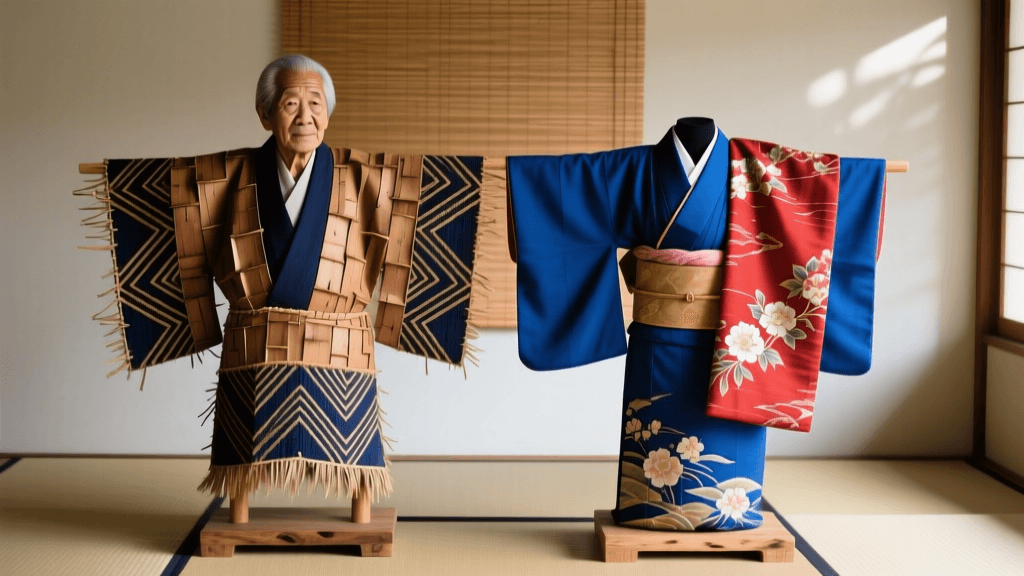
Decoding Kimono Fabrics: Silk, Cotton, and Synthetics Guide
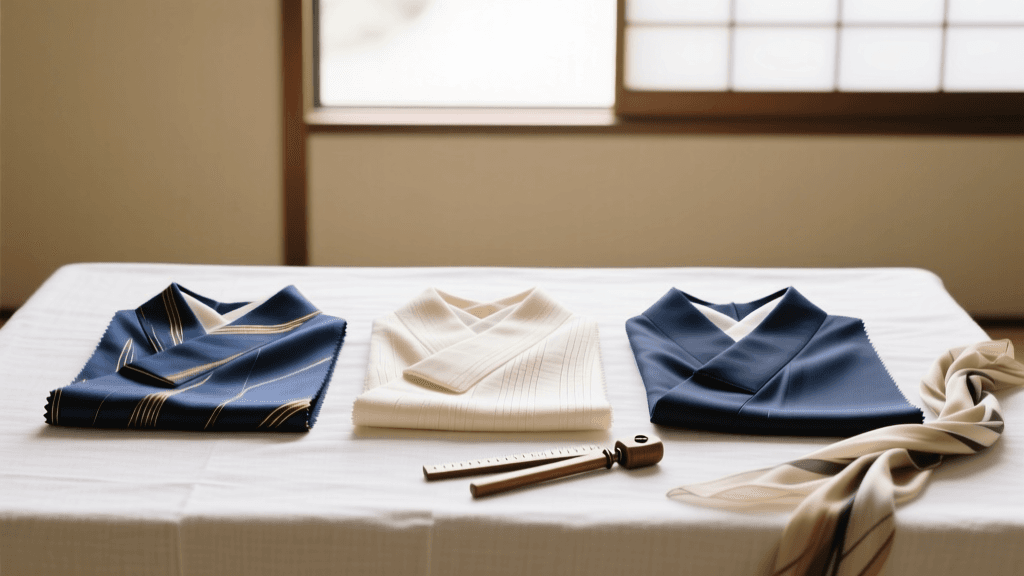
The Pinnacle of Craftsmanship: Silk Kimono Fabrics
Silk has been the undisputed monarch of Japanese textile craftsmanship for centuries. When exploring the history of the kimono, it becomes evident that silk is not merely a fabric, but a canvas for regional artistry. For collectors and wearers, understanding the specific type of silk is crucial for determining formality, seasonal appropriateness, and garment care.
Tango Chirimen (Crepe Silk)
Originating from the Tango region in Kyoto Prefecture, Tango Chirimen is a highly prized crepe silk characterized by its subtle, pebbled texture. This texture is achieved by tightly twisting the weft threads before weaving, then boiling the fabric to relax the threads, creating a three-dimensional puckering effect. Actionable Advice: Because of this high-twist weaving, Tango Chirimen can shrink by up to 30% if exposed to water improperly. Never attempt to hand-wash a vintage Chirimen kimono at home. Expect to pay between $300 and $800 for a high-quality, unlined Chirimen kimono suitable for autumn and spring wear.
Nishijin-ori (Brocade Weave)
For the most formal occasions, such as weddings or imperial court gatherings, Nishijin-ori is the gold standard. Woven in Kyoto using pre-dyed threads and often incorporating gold or silver leaf, this heavy brocade is structurally rigid and visually opulent. A single bolt of authentic Nishijin-ori can take artisans up to three months to complete, pushing retail prices for a finished garment well past $2,500.
Masterful Dyeing Techniques: Yuzen and Shibori
The fabric is only the beginning; the application of color and pattern defines the garment's soul. According to experts at the Victoria and Albert Museum, Japanese dyeing techniques represent some of the most complex textile arts in the world.
- Kyo-Yuzen (Resist Dyeing): Artisans use a rice-paste resist to draw intricate outlines before applying vibrant dyes. Buyer's Tip: Authentic Yuzen features crisp, white outlines where the paste resisted the dye. If the lines are blurry or printed uniformly, it is likely a modern screen-printed replica.
- Kanoko Shibori (Tie-Dye): This painstaking method involves tying thousands of microscopic knots by hand before dyeing. Buyer's Tip: Run your fingers over the fabric. Genuine Shibori will have a distinct, tactile 3D puckering. Furthermore, the inside of the garment will show the exact same pattern intensity as the outside, unlike printed fakes where the inside remains blank.
Everyday Elegance: Cotton and Linen Textiles
While silk dominates formal wear, cotton and linen are the lifeblood of everyday Japanese fashion, particularly during the sweltering summer months. These fabrics offer breathability, ease of care, and a relaxed aesthetic that aligns with modern minimalist sensibilities.
Kurume Kasuri (Cotton Ikat)
Designated as a traditional craft by the Japanese government, Kurume Kasuri is a cotton ikat textile from Fukuoka Prefecture. The threads are tie-dyed before weaving, resulting in soft, slightly blurred geometric or floral patterns. Actionable Advice: Cotton Kasuri is highly durable and machine-washable (use a mesh laundry bag on a delicate, cold cycle). It is the ideal fabric for casual outings, tea ceremonies, or modern streetwear styling. Prices are highly accessible, typically ranging from $80 to $250 for a complete, ready-to-wear garment.
Ojiya Chijimi (Linen/Ramie Crepe)
For peak summer humidity, nothing surpasses Ojiya Chijimi, a ramie (a nettle-family plant similar to linen) crepe from Niigata Prefecture. The fabric is woven with highly twisted threads and then massaged in warm water to create a cooling, textured surface that sits off the skin, promoting airflow. Timing & Cost: Because it is strictly a summer textile, you will find the best selection in boutiques from May through July. Expect to invest $200 to $500 for a genuine, hand-woven bolt.
Modern Practicality: Synthetic and Blended Fabrics
The contemporary kimono market has embraced synthetic fibers, primarily polyester, to combat the high maintenance costs of silk. Modern washable kimono (often marketed as sentaku-ki de arueru kimono) are treated with advanced water-repellent coatings and woven to mimic the drape and luster of silk crepe.
Practical Application: If you are traveling to Japan or attending an outdoor festival where rain or spills are a risk, a polyester kimono is your best investment. They can be safely washed in a home washing machine using a neutral detergent and air-dried on a wide hanger. While they lack the temperature-regulating properties of natural fibers, high-end polyester blends from brands like Washiable Kyoto offer exceptional drape and cost between $150 and $400.
Kimono Fabric Comparison Chart
Use the following chart to select the appropriate fabric based on your event, budget, and maintenance preferences.
| Fabric Type | Best Season | Formality Level | Care & Maintenance | Avg. Price Range (USD) |
|---|---|---|---|---|
| Nishijin-ori (Silk Brocade) | Winter / Year-round | Highest (Weddings, Court) | Specialist Dry Clean Only | $2,500 - $10,000+ |
| Tango Chirimen (Silk Crepe) | Spring / Autumn | High to Medium (Tea, Parties) | Specialist Dry Clean Only | $300 - $1,500 |
| Kurume Kasuri (Cotton) | Spring / Autumn / Winter | Casual (Daily wear, Festivals) | Machine Wash (Delicate) | $80 - $300 |
| Ojiya Chijimi (Ramie/Linen) | Summer Only | Smart Casual (Dining, Outings) | Hand Wash or Dry Clean | $200 - $600 |
| Polyester Blend | Year-round (Climate controlled) | Medium to Casual | Machine Washable | $150 - $400 |
Understanding the Tanmono: Measurements and Sizing
Unlike Western tailoring, which cuts fabric from wide bolts, traditional kimono are constructed from a tanmono—a narrow, continuous bolt of fabric. Understanding these measurements is critical if you are buying vintage fabric or commissioning a bespoke piece.
- Standard Width: A traditional silk tanmono is exactly 36 to 38 centimeters (approx. 14.2 to 15 inches) wide. Cotton bolts are slightly wider, often reaching 40 centimeters.
- Standard Length: A single bolt contains approximately 12 to 13 meters (13 to 14.2 yards) of fabric, which is precisely enough to construct one adult-sized kimono with matching sleeves and overlapping front panels.
- Sizing Actionable Advice: Because the fabric width is fixed, the maximum hip and shoulder measurement for a traditional kimono is restricted. If your hip measurement exceeds 100 cm (39 inches), you must seek out modern wide-bolt kimono or have a tailor use a technique called haba-hiro (adding hidden interior panels) to accommodate wider frames.
Garment Care: Preserving Your Textile Investment
Proper maintenance ensures that natural fiber garments can be passed down through generations. The Japanese have developed highly specific care methodologies based on the fabric type.
Maru-arai vs. Arai-hari
For modern cotton and synthetic kimono, standard washing is sufficient. However, for silk, you must understand the difference between modern and traditional cleaning:
- Maru-arai (Modern Full Wash): A specialized dry-cleaning process using petroleum-based solvents that clean the garment without unsewing it. This costs roughly $50 to $80 and takes about two weeks. Use this for routine maintenance of modern silk garments.
- Arai-hari (Traditional Unsew and Wash): For valuable antique silk or heavily soiled vintage pieces, the kimono is completely taken apart into its original rectangular tanmono pieces, washed in water, stretched on bamboo frames to dry and remove wrinkles, and then entirely resewn by hand. Cost & Timing: This meticulous process costs between $300 and $600 and can take up to three months to complete. It is highly recommended for heirloom pieces to reset the fabric's tension and remove decades of hidden starch and sweat.
Conclusion: Choosing Your Perfect Garment
Whether you are investing in a hand-woven Ojiya Chijimi for a summer festival, a regal Nishijin-ori for a wedding, or a practical polyester blend for daily practice, understanding the craftsmanship behind kimono fabrics transforms the way you wear and appreciate the garment. By respecting the origins of the textiles, adhering to proper sizing parameters, and utilizing the correct cleaning methodologies, you become not just a wearer, but a custodian of Asian textile heritage.