Xin Zhongshi 2026: Styling Modern Song Beizi & Mamianqun
The Maturation of Xin Zhongshi in 2026
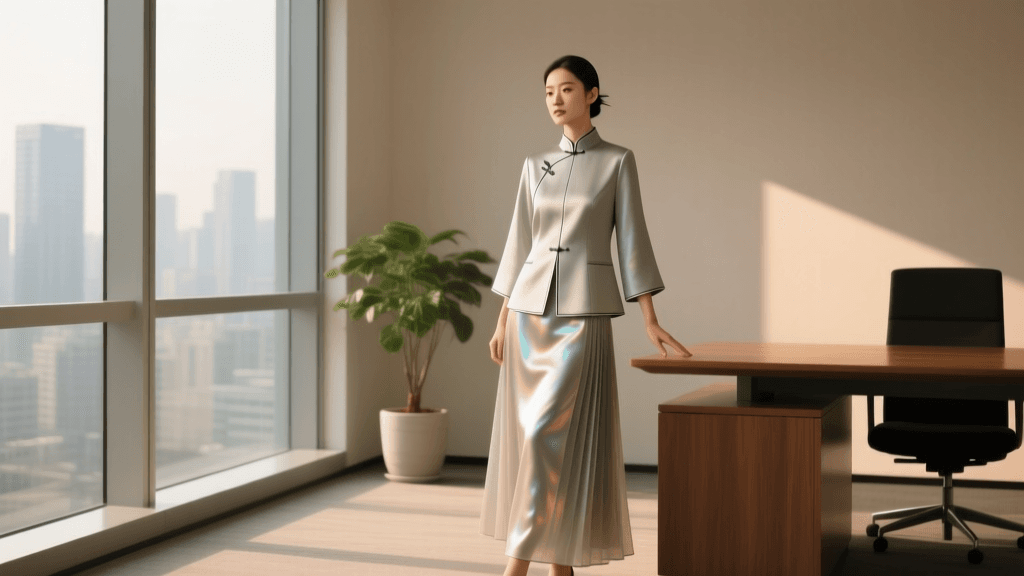
The Xin Zhongshi (新中式), or 'New Chinese Style,' has transcended its origins as a fleeting social media trend to become a foundational pillar of contemporary Asian fashion. In the 2026 fashion landscape, this movement is no longer about superficial motifs or costume-like replicas; it is a sophisticated sartorial philosophy that seamlessly integrates historical garment architecture with the rigorous demands of modern urban life. As global consumers and Asian diaspora communities increasingly seek clothing that reflects cultural heritage without sacrificing daily utility, the market has responded with highly refined, office-appropriate iterations of traditional silhouettes.
This deep dive explores the 2026 evolution of two iconic garments: the Song Dynasty Beizi (褙子) and the Mamianqun (马面裙), commonly known as the horse-face skirt. By examining the structural adaptations, textile innovations, and styling methodologies that define the current era of Xin Zhongshi, we can understand how ancient weaving and tailoring techniques are being preserved and propelled into the future.
Deconstructing the Modern Song Dynasty Beizi
The Beizi originated during the Song Dynasty (960–1279), an era celebrated for its aesthetic minimalism, intellectualism, and refined elegance. Historically, the Beizi is a long, open-front jacket characterized by its straight collar (zhi ling), side slits (kai qi) that extend from the armpit to the hem, and a loose, flowing silhouette. According to The Metropolitan Museum of Art's Asian Art collection, Song Dynasty textiles and garments favored understated luxury, focusing on the drape of the fabric and subtle, monochromatic color palettes rather than ostentatious embroidery.
In 2026, the modern Beizi has been re-engineered for the contemporary workspace. Designers have retained the iconic straight collar and side slits but have introduced subtle structural reinforcements. The shoulders are often slightly dropped and padded with ultra-thin, breathable cotton batting to provide a tailored shape that prevents the garment from looking overly informal. Furthermore, the traditional silk ties have been largely replaced by hidden magnetic closures or minimalist matte-finish snap buttons, allowing for a clean, uninterrupted vertical line that is highly flattering and practical for fast-paced environments.
The length of the 2026 office Beizi typically falls just below the knee or mid-calf, providing excellent coverage while allowing for unrestricted movement. The side slits have been calibrated to sit precisely at the hip bone, ensuring that the jacket drapes elegantly over modern tailored trousers or midi skirts without catching on office chairs or bag straps.
The Commuter Mamianqun: Heritage Meets Utility
The Mamianqun, or horse-face skirt, is perhaps the most recognizable garment in the modern Hanfu and Xin Zhongshi movements. Characterized by its overlapping flat front and back panels (guang mian) and heavily pleated sides (zhe jian), the Mamianqun offers a striking architectural silhouette. As noted by the South China Morning Post's fashion and lifestyle desk, the Mamianqun has become a staple for young professionals who wish to incorporate traditional Chinese aesthetics into their daily corporate wardrobes, driving a massive surge in demand for 'commuter-friendly' heritage wear.
The 2026 iterations of the Mamianqun address the historical pain points of wearing heavily pleated garments in modern settings. Traditional Mamianqun skirts can be bulky at the waist and prone to losing their pleat structure when sat upon for extended periods. To combat this, contemporary pattern makers have introduced the 'gradient pleat' technique. The pleats at the waistband are stitched flat for the first four inches, eliminating bulk and creating a smooth, streamlined fit that sits comfortably beneath tailored blazers or tucked-in blouses. The pleats only begin to flare out from the upper thigh, preserving the dramatic, sweeping movement of the skirt while ensuring comfort during long hours at a desk.
Additionally, the waistbands of 2026 Mamianqun skirts frequently feature hidden elasticated panels at the back and adjustable side-ties, accommodating natural fluctuations in body shape throughout the day without compromising the garment's traditional appearance. The flat front panels are often treated with a subtle, stain-resistant bio-coating, a crucial innovation for protecting the delicate jacquard weaves from accidental spills during lunch meetings.
Fabric Innovation: The 2026 Xiangyunsha Renaissance
No discussion of Xin Zhongshi in 2026 is complete without addressing the textile revolution surrounding Xiangyunsha (香云纱), also known as gambiered Guangdong gauze. Recognized by UNESCO's Representative List of the Intangible Cultural Heritage of Humanity, the traditional production of Xiangyunsha involves a labor-intensive process of dyeing silk with the juice of the gambier plant and coating it with iron-rich river mud, resulting in a fabric that is naturally antibacterial, UV-resistant, and incredibly durable.
Historically, Xiangyunsha was known for its stiff, almost paper-like texture and its distinctive crackling sound when worn. While this structural rigidity was prized in the past, it posed challenges for modern, close-fitting office wear. The 2026 textile market has seen the rise of 'Soft-Xiangyunsha' and 'Crepe-Xiangyunsha.' By altering the base silk weave from a plain weave to a crepe de chine or a heavy twill before the gambier dyeing process, manufacturers have created a fabric that retains the rich, earthy coloration and natural cooling properties of traditional Xiangyunsha but possesses a fluid, buttery drape. This innovation has made Xiangyunsha the premier fabric choice for high-end 2026 Beizi jackets, offering a luxurious, understated sheen that perfectly aligns with modern corporate dress codes.
Comparison Table: Traditional vs. 2026 Xin Zhongshi Office Wear
| Garment Feature | Traditional Historical Design | 2026 Xin Zhongshi Adaptation |
|---|---|---|
| Beizi Closure | External silk knot buttons and loops (Pankou) | Hidden magnetic snaps or minimalist matte toggles |
| Beizi Silhouette | Completely unstructured, loose, and boxy | Subtle shoulder padding, tailored back darts for shape |
| Mamianqun Waist | Flat, rigid waistband requiring tight tying | Hidden rear elastic, adjustable side-ties, hook-and-bar |
| Mamianqun Pleats | Sharp pleats starting directly at the waistband | Gradient pleats (stitched flat at top, flaring at thigh) |
| Primary Textiles | Heavy brocades, stiff Xiangyunsha, raw silks | Soft-Xiangyunsha, tech-silk blends, stain-resistant crepe |
Building Your 2026 Xin Zhongshi Capsule Wardrobe
Integrating these heritage garments into a modern wardrobe requires a balanced approach to styling. The key to mastering the 2026 Xin Zhongshi aesthetic is juxtaposition—pairing historical silhouettes with crisp, contemporary basics.
- The Executive Beizi Look: Pair a mid-calf, charcoal-grey Soft-Xiangyunsha Beizi with a fine-gauge merino wool turtleneck and tailored, wide-leg wool trousers. The Beizi acts as a sophisticated alternative to a traditional blazer, providing movement and cultural resonance while maintaining a sharp, professional profile.
- The Commuter Mamianqun: Opt for a midi-length Mamianqun in a muted, monochromatic jacquard weave (such as navy or deep forest green). Tuck in a crisp, white poplin button-down shirt, and cinch the waist with a thin, modern leather belt over the skirt's waistband to bridge the gap between traditional and contemporary accessories.
- Footwear Pairings: Avoid overly ornate or costume-like shoes. The 2026 trend favors minimalist leather loafers, sleek pointed-toe ankle boots, or modernized 'cloud-toe' flats crafted from matte leather rather than traditional embroidered silk.
- Layering for Climate Control: The open-front nature of the Beizi makes it an exceptional layering piece. In cooler months, layer it over a structured vest or a lightweight cashmere cardigan. In the summer, wear it unbuttoned over a simple silk camisole to maximize airflow while adhering to office modesty standards.
Care and Maintenance for Tech-Infused Heritage Fabrics
While 2026 textiles are more resilient than their historical counterparts, they still require mindful maintenance to preserve their structural integrity and natural dye properties.
- Washing Xiangyunsha: Despite its durability, Xiangyunsha should never be machine washed. The alkaline environment of standard detergents can neutralize the acidic gambier dye. Hand wash in cool water using a pH-neutral silk detergent, and avoid wringing the fabric. Roll it in a clean towel to absorb excess moisture before hanging it to dry in the shade.
- Preserving Mamianqun Pleats: To maintain the sharp gradient pleats of a modern Mamianqun, avoid hanging the skirt by the waistband for long periods, as the weight of the fabric can stretch the pleats. Instead, fold the skirt along its natural pleat lines and store it flat, or hang it using a multi-clip hanger that supports the weight evenly across the hem.
- Stain Management: For tech-silk blends with stain-resistant coatings, blot spills immediately with a microfiber cloth. Avoid rubbing, which can push the liquid into the fibers and damage the bio-coating. For stubborn stains, seek a dry cleaner who specializes in heritage textiles and natural dyes.
The 2026 Xin Zhongshi movement represents a triumphant synthesis of ancestral craftsmanship and modern pragmatism. By thoughtfully adapting the Song Dynasty Beizi and the Mamianqun, today's designers are ensuring that these magnificent garments are not relegated to museum archives, but are instead worn, lived in, and celebrated in the everyday lives of a new generation.