2026 Kimono Guide: Dressing for Japanese Life Milestones
The Kimono as a Wearable Calendar
In Japan, the kimono is far more than a traditional garment; it is a wearable calendar that visually chronicles a person’s journey through life. While Western fashion dominates daily life in 2026, the kimono remains the undisputed garment of record for major life milestones. From the first shrine visits of toddlerhood to the vibrant celebrations of a 60th birthday, the cut, color, sleeve length, and family crests (kamon) of a kimono communicate age, marital status, and social standing with precise elegance.
Understanding these sartorial rules is essential for anyone participating in Japanese cultural events, studying Asian traditions, or navigating the bustling 2026 kimono rental and vintage markets. As noted by the Victoria and Albert Museum's authoritative archive on kimono history, the structural evolution of the garment is deeply intertwined with the societal roles of the wearer. Here is your comprehensive guide to dressing for Japanese life stages in 2026.
Childhood Milestones: Shichi-Go-San (Ages 3, 5, and 7)
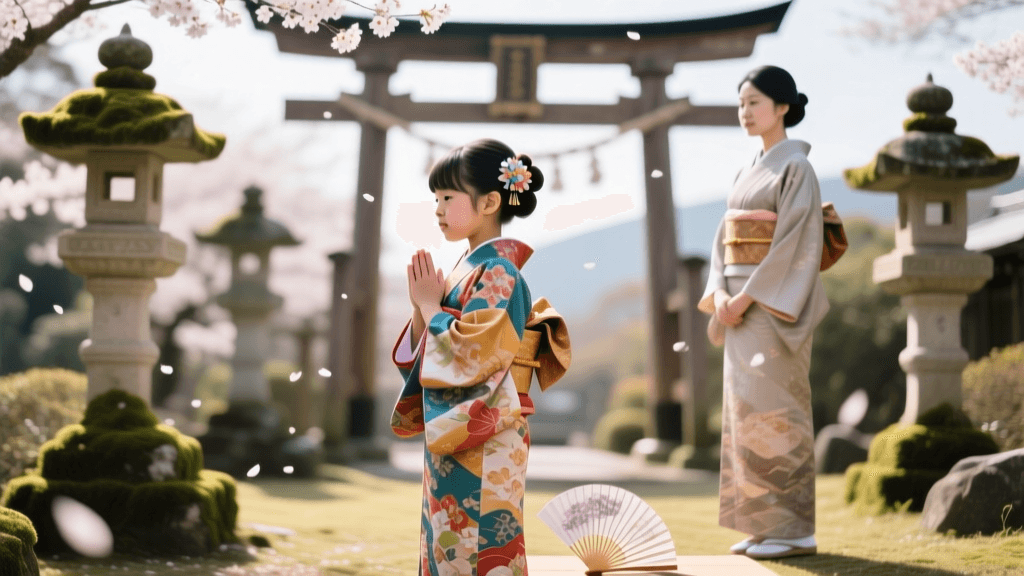
Held annually on November 15th, Shichi-Go-San (literally "Seven-Five-Three") is a rite of passage celebrating the growth and health of young children. The ages of three, five, and seven are considered highly auspicious in Japanese numerology. In 2026, families continue to flock to Shinto shrines like Meiji Jingu in Tokyo or Heian Jingu in Kyoto, dressed in vibrant, age-specific garments.
Age 3: The Hifu and First Kimono
At age three, both boys and girls traditionally wear kimono, though modern 2026 trends see girls participating much more frequently. Three-year-old girls wear a standard kimono paired with a hifu—a padded, sleeveless silk vest worn over the obi. The hifu is designed to hide the stiff obi knot, providing comfort for toddlers while maintaining a festive, floral aesthetic. Boys of this age may wear a simple kimono with a haori (jacket), though many modern parents opt for Western suits for boys at this young age.
Age 5: The First Hakama
Five-year-old boys celebrate by wearing their first hakama (pleated, divided trousers) over a kimono, topped with a haori bearing the family crest. The ensemble is completed with white tabi socks and zori sandals. The hakama symbolizes the boy's first step into the samurai-inspired traditions of manhood and formal public presentation.
Age 7: The First Obi
For seven-year-old girls, the milestone marks the transition from the childlike hifu to a formal, adult-style obi (sash). The kimono features bold, auspicious motifs like cranes, pine trees, or treasure ships. The obi is tied in a fukura-suzume (puffed sparrow) knot, requiring the expertise of a professional kitsuke (kimono dresser). In 2026, renting a complete Shichi-Go-San package for a 7-year-old averages between ¥15,000 and ¥25,000, a slight increase from previous years due to the rising cost of artisanal silk maintenance.
Coming of Age: Seijin-no-Hi (Age 20)
Although Japan officially lowered the legal age of adulthood to 18 in 2022, the cultural and sartorial celebration of Seijin-no-Hi (Coming of Age Day) in 2026 remains firmly anchored to the 20th birthday. Held on the second Monday of January, this is the most visually spectacular kimono event of the year.
The Furisode Hierarchy
Unmarried young women celebrate their 20th year by wearing the furisode, characterized by its dramatically long, swinging sleeves. The furisode is the most formal kimono for unmarried women, and according to Japan Guide's comprehensive overview of traditional Japanese clothing, the sleeve length denotes the wearer's specific age and the formality of the event:
- Ofurisode (Large Furisode): Sleeves measuring roughly 114 cm. This is the most formal tier, frequently worn by brides as an alternative to the traditional wedding robe, or for highly formal coming-of-age ceremonies.
- Chufurisode (Medium Furisode): Sleeves measuring around 100 cm. This is the standard and most popular choice for 20-year-olds attending Seijin-no-Hi in 2026.
- Kofurisode (Small Furisode): Sleeves measuring about 85 cm. Often worn for graduation ceremonies (sotsugyoshiki) paired with a hakama.
The 2026 rental market for furisode is highly competitive. Premium rentals featuring hand-painted yuzen silk, gold leaf accents, and a full dressing service range from ¥180,000 to ¥350,000. Young women often book their appointments up to a year in advance to secure trending color palettes, which in 2026 lean heavily toward vintage-inspired jewel tones and retro Taisho-era geometric patterns.
Marriage and Matrimony: Wedding Kimono
The transition from unmarried to married status triggers the most dramatic shift in a Japanese woman's kimono wardrobe. Traditional Shinto weddings in 2026 still heavily feature the shiromuku, an entirely white ensemble symbolizing purity and the bride's willingness to be "dyed" in the colors of her new family. The shiromuku includes a white uchikake (outer robe), a white obi, and a wataboshi (white silk hood) or tsunokakushi (horn-hiding cap).
For the reception, brides typically change into an iro-uchikake—a heavily brocaded, brightly colored outer robe. Crimson, gold, and deep purple are popular choices, adorned with auspicious embroidery of cranes, peonies, and pine trees. Unlike the furisode, the sleeves of a married woman's formal garments are significantly shorter, signaling her new marital status to the world.
Married Life and Adulthood: Tomesode and Homongi
Once a woman marries, the long-sleeved furisode is retired (often repurposed into a cushion or a shorter-sleeved garment by specialized tailors). Her formal wardrobe shifts to the tomesode and homongi.
Kurotomesode and Irotomesode
The kurotomesode (black tomesode) is the absolute pinnacle of formality for a married woman. It is always black, features five family crests, and boasts intricate, continuous hem patterns (eba) that flow across the seams. It is strictly reserved for the weddings of one's own children or closest relatives. The iro-tomesode (colored tomesode) follows the same structural rules but comes in pastel or deep jewel tones, suitable for the weddings of nieces, nephews, or distant relatives.
Homongi (Visiting Wear)
For tea ceremonies, formal parties, and cultural gatherings, married and unmarried women alike may wear the homongi. Distinguished by its elegant, continuous patterns that flow over the shoulders and hem, the homongi is versatile. In 2026, sustainable fashion movements have popularized the upcycling of vintage Showa-era homongi, with younger generations pairing them with modern, woven fukuro obi for a contemporary yet traditional aesthetic.
The 60th Birthday: Kanreki no Choji
The 60th birthday, or Kanreki, marks the completion of the 60-year zodiac cycle, symbolizing a rebirth. Traditionally, the celebrant wears a red chanchanko (padded vest) and a red hood. However, the 2026 demographic of Japanese 60-year-olds is highly active, fashion-conscious, and often rejects the stereotypical "elderly" vest.
Instead, modern seniors celebrate Kanreki by wearing sophisticated, subtle crimson or burgundy kimonos, such as an Edo Komon (fine micro-patterns) or an Omeshi silk crepe. The red theme is maintained through the obi, the obi-jime (cord), or the haneri (collar), allowing for a dignified, age-appropriate celebration of longevity that aligns with contemporary tastes.
Quick Reference: Kimono Types by Age and Milestone
| Life Stage / Milestone | Primary Garment | Key Features & Rules | 2026 Est. Rental Cost |
|---|---|---|---|
| Age 3 (Shichi-Go-San) | Kimono with Hifu | Padded vest over obi; bright floral motifs. | ¥10,000 - ¥18,000 |
| Age 5 (Shichi-Go-San) | Hakama & Haori | Pleated trousers; family crests on jacket. | ¥12,000 - ¥20,000 |
| Age 7 (Shichi-Go-San) | Standard Kimono | First adult-style obi; auspicious hem patterns. | ¥15,000 - ¥25,000 |
| Age 20 (Seijin-no-Hi) | Chufurisode | 100cm sleeves; vibrant, all-over patterns. | ¥180,000 - ¥350,000 |
| Wedding (Bride) | Shiromuku / Iro-uchikake | Pure white or heavily brocaded color; short sleeves. | ¥250,000 - ¥500,000+ |
| Married (Formal) | Kurotomesode | Black silk; 5 crests; continuous hem pattern. | ¥80,000 - ¥150,000 |
| 60th Birthday (Kanreki) | Edo Komon / Omeshi | Subtle crimson accents; sophisticated micro-patterns. | ¥30,000 - ¥60,000 |
Sourcing, Renting, and Preservation in 2026
The kimono industry in 2026 is a fascinating blend of ancient preservation and modern pragmatism. With the artisan population aging, the cost of brand-new, hand-woven silk kimono has reached luxury-tier pricing, often exceeding ¥1,000,000 for a single bespoke furisode. Consequently, the rental market and the vintage recycling sector (recycle-ya) have exploded in popularity.
Organizations and cultural bodies, such as the Japan National Tourism Organization's cultural heritage initiatives, continue to promote the accessibility of traditional garments for both locals and international visitors. For those looking to purchase, vintage markets in Kyoto and Tokyo offer meticulously maintained Showa and Heisei-era garments at a fraction of the cost of new silk. When caring for these garments, the 2026 standard involves professional maru-arai (whole garment washing) and storing the silk in specialized tatou paper to prevent moisture damage and yellowing.
Ultimately, the kimono remains a profound visual language. Whether it is the swinging sleeves of a 20-year-old stepping into adulthood or the dignified black silk of a mother at her child's wedding, the garment ensures that every major milestone in Japanese life is met with unparalleled grace and historical continuity.