Best Silk Fabrics for Custom Cheongsam Tailoring 2026
The Evolution of Cheongsam Textiles in 2026
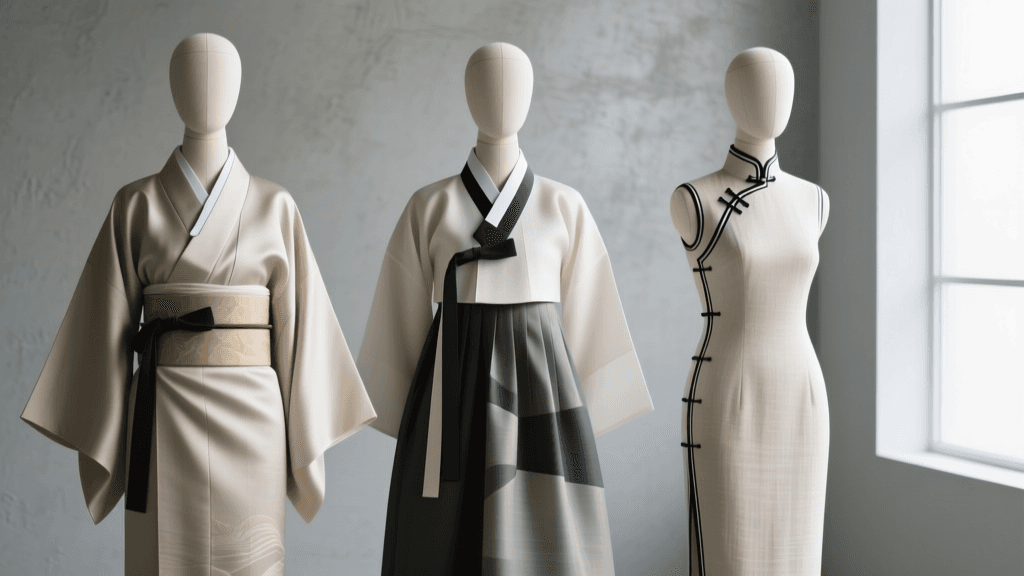
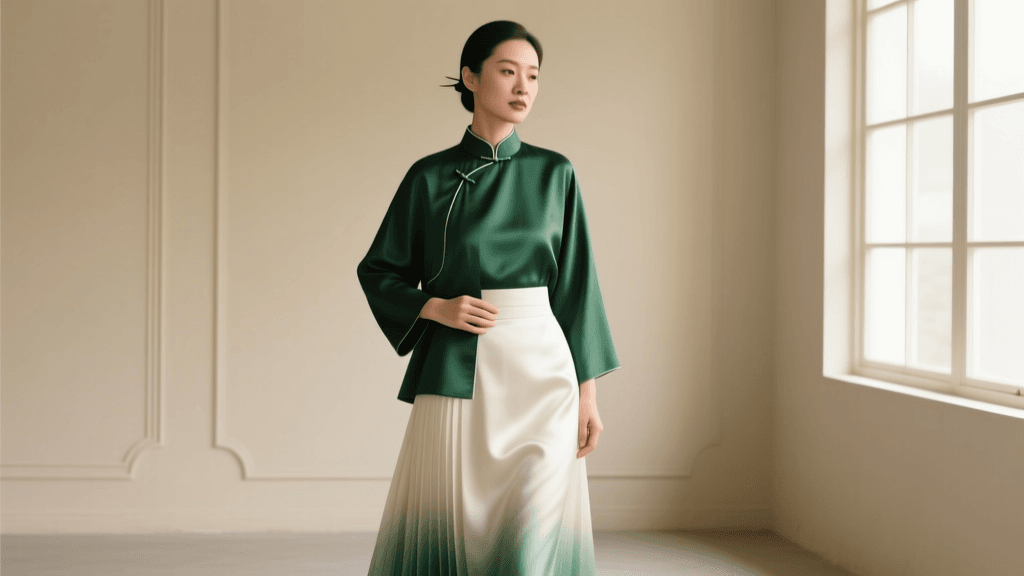
The cheongsam, also widely known as the qipao, remains one of the most elegant, structurally complex, and culturally significant garments in Asian traditional fashion. As we navigate the fashion landscape of 2026, the art of custom cheongsam tailoring has evolved to blend heritage techniques with modern textile innovations. While the silhouette—characterized by its high Mandarin collar, form-fitting bodice, and asymmetrical side slits (kai gao)—remains iconic, the foundation of a flawless cheongsam lies entirely in its fabric.
Choosing the right silk is no longer just about selecting a beautiful color; it is about understanding drape, structural integrity, breathability, and sustainability. In 2026, discerning clients and master tailors are prioritizing traceable supply chains, digital fabric passports, and advanced weaving techniques that honor the garment's rich history while meeting contemporary lifestyle demands. According to historical textile archives documented by The Metropolitan Museum of Art, silk has been the cornerstone of East Asian luxury garments for millennia, and today's innovations are simply the next chapter in this ancient legacy.
Understanding Silk Grades: The Momme Weight System
When commissioning a custom cheongsam in 2026, the most critical metric you must understand is the "momme" (abbreviated as mm). Momme is the traditional Japanese unit used to measure the weight and density of silk fabric. One momme equals 4.340 grams per square meter. The higher the momme weight, the heavier, more durable, and more opaque the silk will be.
For a structured garment like the cheongsam, which requires fabric to hold its shape around the collar and hips while draping elegantly over the body, selecting the correct momme weight is non-negotiable. A fabric that is too light will cling to undergarments and tear at the stress points of the side slits, while a fabric that is too heavy will look stiff and boxy.
2026 Cheongsam Momme Weight Guide
| Momme Weight | Silk Classification | Drape & Opacity | Best Cheongsam Application |
|---|---|---|---|
| 12mm - 16mm | Lightweight | Sheer, highly fluid, delicate | Not recommended for main structure; use only for sheer overlays panels or linings. |
| 19mm | Medium Weight | Good drape, semi-opaque | Summer daywear, A-line cheongsam, relaxed-fit modern qipao. |
| 22mm - 25mm | Heavyweight | Excellent drape, fully opaque | The gold standard for bespoke, form-fitting evening cheongsam and wedding qipao. |
| 30mm+ | Ultra-Heavy | Stiff, structured, luxurious | Winter cheongsam, heavy brocades, structured outerwear-style qipao. |
Top Silk Weaves for Custom Cheongsam Construction
Beyond weight, the weave of the silk dictates how the fabric interacts with light, how it feels against the skin, and how it responds to the intricate frog button (pankou) closures. Here are the premier silk weaves dominating the 2026 custom tailoring market.
1. Silk Charmeuse (Satin Weave)
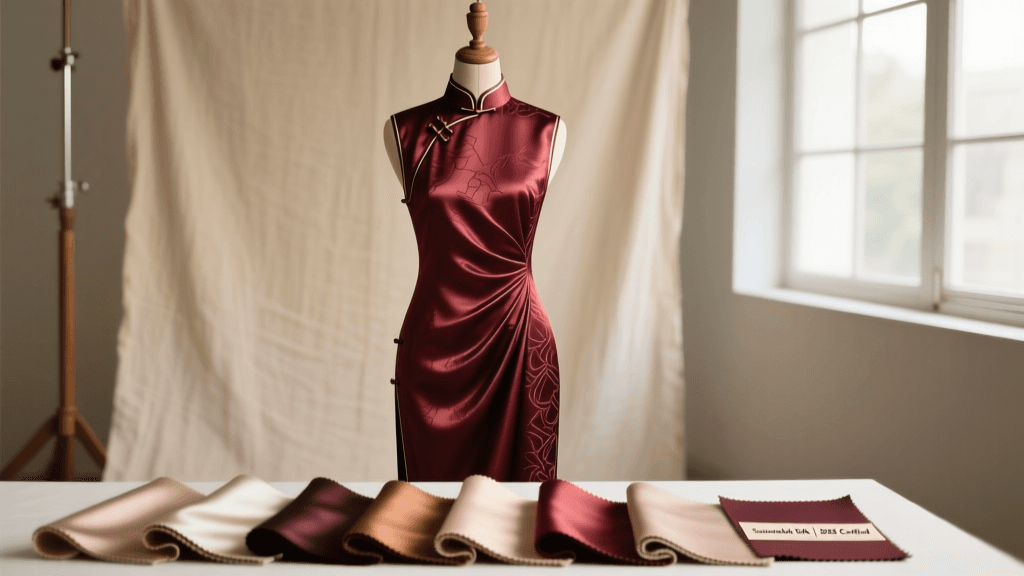
Silk charmeuse is the quintessential cheongsam fabric. Featuring a glossy, reflective front and a dull, matte back, charmeuse offers a liquid-like drape that beautifully accentuates the body's natural curves. In 2026, master tailors recommend a 22mm to 25mm charmeuse for evening wear and weddings. The high sheen of charmeuse catches the light brilliantly, making it the ideal canvas for intricate, hand-embroidered motifs like phoenixes, peonies, and dragons.
2. Crepe de Chine (Matte Pebbled Weave)
For clients seeking a more understated, sophisticated look, Crepe de Chine is the premier choice. The yarns are twisted tightly before weaving, giving the fabric a subtle, pebbled texture and a matte finish. It is highly breathable, resists wrinkling better than charmeuse, and offers a slightly more structured drape. A 19mm or 22mm Crepe de Chine is perfect for professional daywear, tea-length cheongsams, and warm-weather events.
3. Silk Brocade (Zhi Jin)
Silk brocade is a heavy, jacquard-woven fabric featuring raised, intricate patterns woven directly into the textile using supplementary weft threads. Historically reserved for royalty, modern 2026 brocades often incorporate subtle metallic threads or tonal weaving for a contemporary edge. Because brocade is stiff and heavy (often 30mm+), it is best suited for winter cheongsams, bridal wear, and garments with a slightly looser, more architectural silhouette.
4. Silk Shantung (Slubbed Weave)
Shantung is characterized by its "slubs"—slight, natural irregularities in the yarn that give the fabric a crisp, textured feel. It holds its shape exceptionally well, making it a favorite for cheongsams with dramatic, structured elements like exaggerated cap sleeves or stiff, high collars. It provides a beautiful, rustic elegance that contrasts wonderfully with polished jade or pearl jewelry.
2026 Sustainable and Peace Silk Innovations
The most significant shift in the 2026 Asian traditional garment market is the widespread adoption of sustainable and ethical textiles. Modern consumers are increasingly asking where their silk comes from and how it is produced.
Ahimsa (Peace) Silk: Traditional silk production involves boiling the silkworm cocoon with the moth inside. Ahimsa silk, however, allows the moth to emerge naturally before the cocoon is harvested. While historically difficult to spin into fine, uniform yarns, 2026 textile innovations have yielded Ahimsa silks that rival traditional charmeuse in softness and luster, making it a highly sought-after choice for eco-conscious brides.
Certified Organic Silk: When sourcing sustainable fabrics, look for certifications that guarantee environmental and social responsibility. The Global Organic Textile Standard (GOTS) is the leading benchmark, ensuring that the mulberry trees are grown without synthetic pesticides and that the dyeing processes meet strict ecological criteria.
Lotus-Silk Blends: Originating from Southeast Asia, lotus silk is extracted from the stems of the lotus flower. In 2026, luxury mills are blending lotus silk with traditional mulberry silk to create cheongsam fabrics that are exceptionally breathable, naturally stain-resistant, and possess a unique, earthy luster that synthetic dyes cannot replicate.
Sourcing Authentic Silk and Digital Traceability
Authenticity is paramount when investing in a custom cheongsam. The historic silk hubs of Suzhou and Hangzhou in China remain the global epicenters for premium qipao textiles. However, the market has historically been flooded with synthetic imitations.
In 2026, the luxury textile industry has largely adopted Digital Product Passports (DPPs). When purchasing high-grade silk from reputable tailors or textile merchants, you should expect a scannable QR code or NFC tag on the fabric bolt. This digital passport provides the complete provenance of the silk—from the specific mulberry farm and the reeling facility to the dye house and the final weave. Furthermore, ensuring the fabric carries an OEKO-TEX® Standard 100 certification guarantees that the vibrant reds, golds, and indigos used in traditional cheongsam dyeing are free from harmful chemicals and safe for prolonged skin contact.
Expert Care and Maintenance for High-Grade Silk
A custom-tailored cheongsam is an investment piece meant to be passed down through generations. Proper care is essential to maintain the fabric's structural integrity and vibrant color.
- Washing: Avoid dry cleaning unless the garment features heavy metallic embroidery or delicate brocade. For standard 22mm charmeuse or crepe, hand wash in cold water using a pH-neutral, silk-specific detergent. Never wring or twist the fabric.
- Drying: Roll the wet cheongsam in a clean, dry, white cotton towel to gently press out excess moisture. Lay it flat on a drying rack away from direct sunlight, which will rapidly degrade the silk proteins and fade the dye.
- Ironing: Always iron on the reverse side using the lowest heat setting (silk mode). Place a clean cotton pressing cloth between the iron and the fabric to prevent water spots and heat shine.
- Storage: Never hang a heavy silk cheongsam on a wire or thin plastic hanger, as the weight of the fabric will distort the shoulders. Use wide, padded hangers. For long-term storage, fold the garment with acid-free tissue paper and place it in a breathable cotton garment bag. Avoid plastic bags, which trap moisture and cause yellowing.
"The true beauty of a cheongsam is not just in its cut, but in the whisper of the silk as it moves. In 2026, choosing a fabric that respects both the heritage of the weave and the future of our planet is the ultimate expression of elegance." — Master Tailor Lin, Suzhou Textile Guild.
Conclusion
Selecting the perfect silk for a custom cheongsam in 2026 requires a balance of aesthetic preference, structural understanding, and ethical consideration. By mastering the momme weight system, choosing the appropriate weave for your specific occasion, and insisting on digitally traceable, certified sustainable textiles, you ensure that your garment is not only a stunning reflection of Asian cultural heritage but also a responsible addition to your modern wardrobe. Whether you opt for the liquid shine of 25mm charmeuse or the crisp elegance of slubbed shantung, the right fabric will elevate your cheongsam from a simple piece of clothing to a timeless work of art.