Buying Authentic Ming Hanfu Online 2026: Taobao Agents vs Boutiques
The Global Rise of Historically Accurate Ming Hanfu
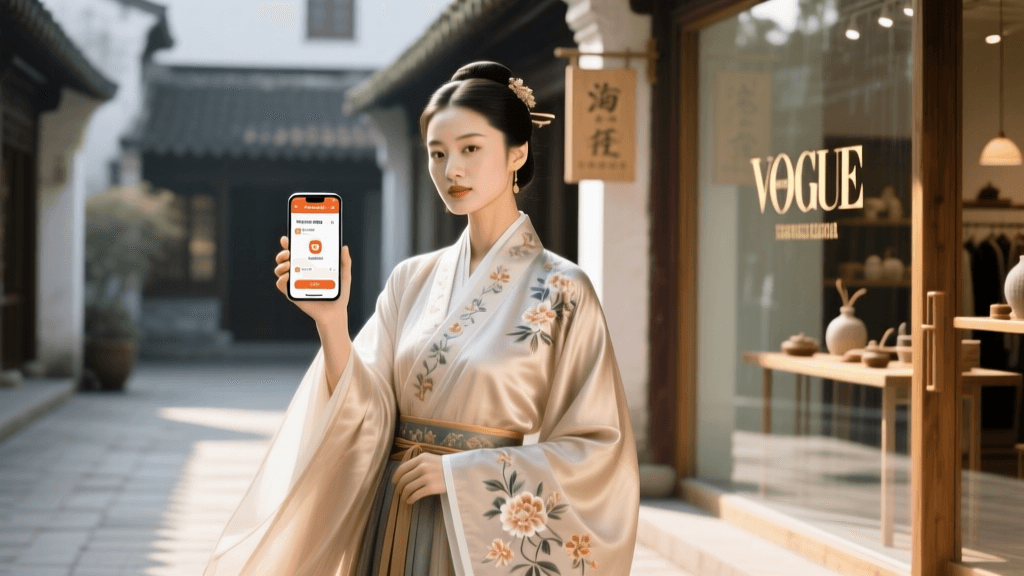
As we navigate the fashion landscape of 2026, the Hanfu movement has matured far beyond its early days of theatrical costumes and fantasy-inspired designs. Today, global enthusiasts and cultural historians alike are demanding rigorous historical accuracy, with the Ming dynasty (1368–1644) emerging as the undisputed favorite for both daily wear and formal occasions. The structured elegance, sophisticated weaving techniques, and layered silhouettes of Ming-era garments make them highly coveted. However, for international buyers, sourcing authentic Ming Hanfu online in 2026 presents a unique logistical challenge. Do you navigate the vast, untranslated depths of Taobao using shopping agents, or do you pay a premium for Western-facing boutique retailers? This comprehensive guide breaks down exactly how to source authentic Ming dynasty garments this year, comparing costs, authenticity, and shipping logistics.
Understanding the Ming Dynasty Silhouette: Ao and Mamianqun
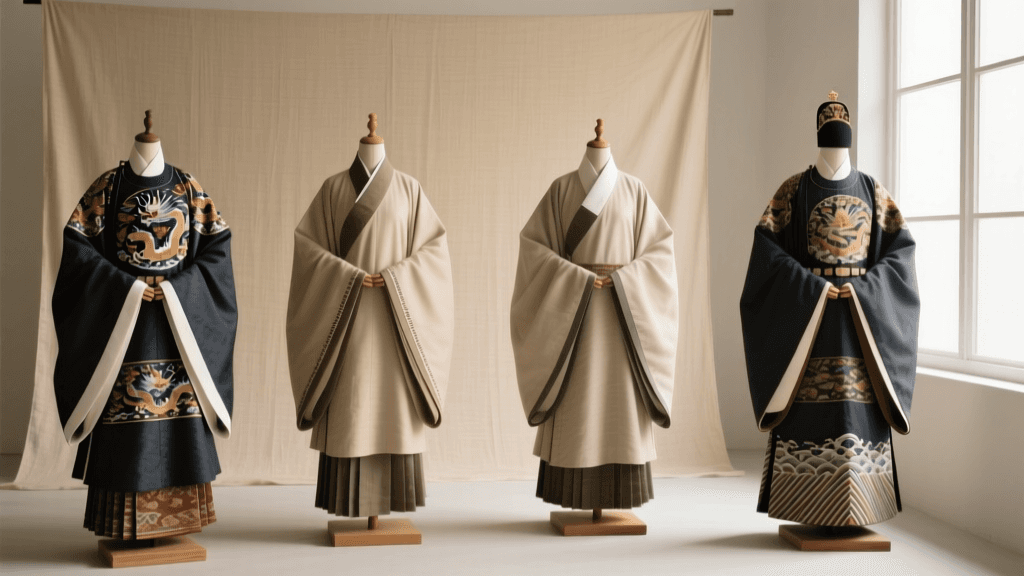
Before making a purchase, it is crucial to understand what constitutes an authentic Ming silhouette. The quintessential Ming ensemble for women consists of the Ao (a lined, structured jacket with a stand-up collar and piped edges) and the Mamianqun (the iconic 'horse-face' skirt). The Mamianqun features flat, unpleated front and back panels flanked by deeply pleated side panels, often adorned with intricate woven motifs rather than printed patterns. For men, the Daopao (a sweeping, cross-collared robe with side slits and inner swings) and the Yisan (a pleated robe with a horizontal waist seam) remain the gold standards of Ming menswear. In 2026, the market has heavily pivoted toward zhuanghua (woven gold and silver thread) and zhijin (woven gold) techniques, moving away from the cheap digital printing that plagued the market in the early 2020s.
Route 1: Sourcing via Taobao and Shopping Agents in 2026
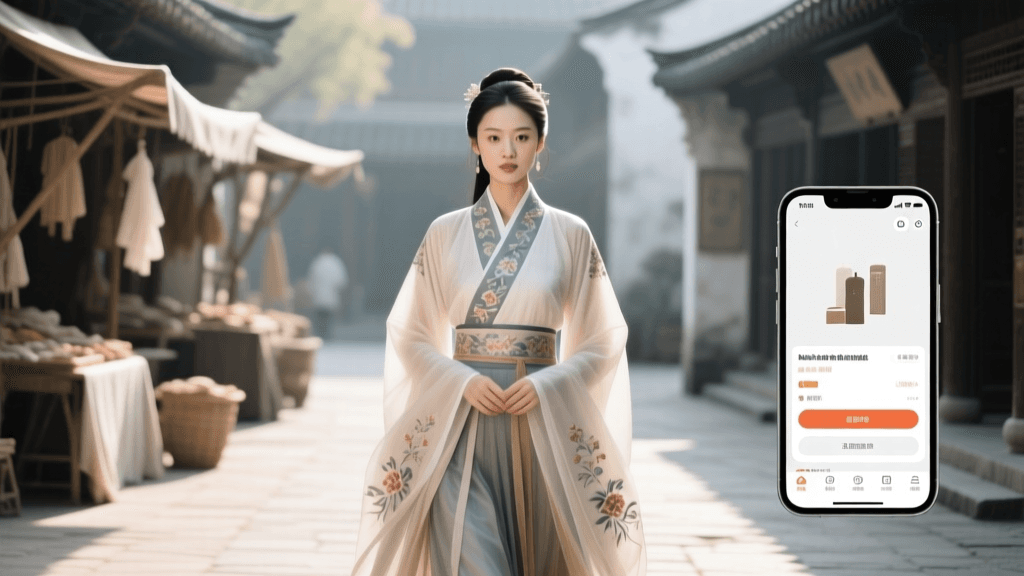
For the serious collector or the budget-conscious enthusiast, purchasing directly from Chinese domestic marketplaces like Taobao and Tmall via a shopping agent remains the most effective way to buy Hanfu in 2026. Platforms such as Superbuy, Sugargoo, and CSSBuy act as intermediaries. You paste the Taobao product link into the agent's search bar, they purchase the item, receive it at their Chinese warehouse, provide quality control (QC) photos, and then ship it internationally.
Top Authentic Ming Hanfu Brands on Taobao
- Minghuatang: The pinnacle of luxury Ming Hanfu. Known for museum-grade replication, genuine silk, and real gold-leaf weaving. Expect to pay upwards of $800 to $2,000 USD for a single Mamianqun, with wait times often exceeding six months due to made-to-order production.
- Shisanyu: A highly reliable mid-tier brand that balances historical accuracy with modern wearability. Their Ming dynasty Ao jackets are renowned for accurate piping and sturdy, period-correct fabrics.
- Zhongling: Excellent for menswear, particularly historically accurate Daopao and Yisan robes with proper side-slit constructions and authentic textile weights.
The 2026 Agent Shipping Reality
Shipping rates in 2026 have stabilized compared to the volatility of previous years, but volumetric weight remains a critical factor. Ming Hanfu, particularly lined Ao jackets and heavy brocade Mamianqun, can be dense. Agents now offer specialized 'Hanfu consolidation' lines that vacuum-seal the garments to reduce volumetric size without damaging the woven gold threads, a massive innovation for international buyers this year.
Route 2: Western-Facing Hanfu Boutiques
If the multi-step process of using a Taobao agent feels overwhelming, Western-facing boutiques offer a streamlined alternative. Websites like Newhanfu, Hanfu Shi, and YesStyle's premium heritage lines cater specifically to international audiences. These platforms provide English interfaces, accept Western credit cards and PayPal directly, and handle all customs and international freight on their end.
The primary advantage of these boutiques in 2026 is customer service and sizing transparency. They often provide detailed English measurement charts and offer return policies that are virtually impossible to negotiate when buying directly from domestic Chinese sellers. However, this convenience comes with a significant markup. A Ming-style Mamianqun that costs $60 on Taobao will typically retail for $110 to $140 on a Western boutique site. Furthermore, these sites rarely carry the ultra-high-end, museum-grade brands like Minghuatang, focusing instead on mid-tier and entry-level historical reproductions.
Head-to-Head Comparison: Taobao Agents vs. Boutiques
| Feature | Taobao via Agents (2026) | Western-Facing Boutiques |
|---|---|---|
| Price Point | Lowest (Direct domestic retail price + agent fees) | High (40% to 100% markup for convenience) |
| Brand Selection | Unlimited (Access to all indie and luxury makers) | Limited (Curated mid-tier and fast-fashion Hanfu) |
| Authenticity Risk | Low (If buying from established flagship stores) | Moderate (Some sites still mix 'Xianfu' with Hanfu) |
| Shipping Time | 3 to 6 weeks (Including QC and warehouse processing) | 1 to 2 weeks (Direct international fulfillment) |
| Sizing Help | Minimal (Requires translating Chinese size charts) | Excellent (English guides and customer support) |
| Return Policy | Difficult and expensive (Return shipping to China) | Easy (Local return warehouses in US/EU) |
Fabric Verification: Real Silk vs. Modern Synthetics
A major pitfall when shopping online is misidentifying fabrics. Authentic Ming Hanfu relies heavily on specific silk weaves. According to textile archives documented by The China National Silk Museum, historical Ming garments utilized complex satin and damask weaves that interacted with light in distinct ways. In 2026, many mid-tier Taobao sellers use high-grade polyester jacquards that mimic the look of damask but lack the breathability and drape of genuine silk.
When browsing product pages, look for the characters 真丝 (Zhensi - real silk) or 桑蚕丝 (Sangcansi - mulberry silk). If the description lists 聚酯纤维 (Juzhixianwei - polyester), you are looking at a synthetic replica. For a deeper understanding of how traditional Asian silk routes influenced these weaving techniques, the Metropolitan Museum of Art's Heilbrunn Timeline of Art History provides excellent foundational knowledge on the evolution of Asian silk textiles, which is invaluable when assessing the historical claims of modern Hanfu vendors.
The 2026 Measurement Guide: Decoding Pingpu
Sizing is the most frequent point of failure for international Hanfu buyers. Chinese domestic brands rarely use standard S/M/L sizing that aligns with Western conventions. Instead, they rely on Pingpu (flat lay) measurements. To ensure a proper fit for a Ming Ao jacket in 2026, you must measure a well-fitting jacket you already own by laying it flat on a table.
- Bust (Xiongwei): Measure from armpit to armpit on your flat garment, then double it. Compare this to the seller's Pingpu bust measurement. Add 4-6 cm for ease of movement, as Ming jackets are meant to be slightly roomy to accommodate inner layers.
- Length (Yichang): Measure from the highest point of the shoulder down to the hem. Ming jackets typically end at the hip or upper thigh.
- Sleeve Length (Xiuchang): Ming sleeves are notoriously long, designed to cover the hands and create elegant folds at the wrist. Measure from the center back of the neck, across the shoulder, and down to the wrist. Do not be alarmed if the listed sleeve length is 70cm or more; this is historically accurate for the era.
Spotting 'Xianfu' vs. Authentic Hanfu
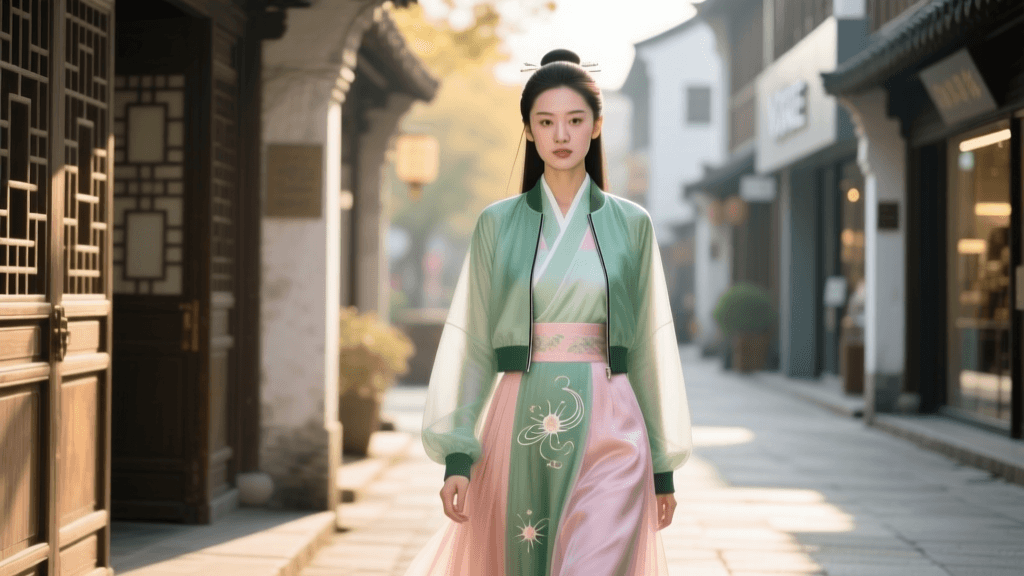
Despite the market's maturation, 'Xianfu' (fairy dress) still permeates online marketplaces. Xianfu refers to fantasy costumes inspired by wuxia and xianxia television dramas, featuring excessive sheer organza, trailing ribbons, and non-historical cross-collars. To avoid Xianfu when searching on Taobao or boutique sites, avoid keywords like 仙女 (fairy) or 古装 (ancient costume). Instead, strictly use search terms like 明制汉服 (Ming-system Hanfu) and 复原 (restoration/historical reproduction). Authentic vendors will always cite the specific historical artifacts or tomb murals that inspired their patterns in their product descriptions.
Final Verdict: Which Route Should You Choose?
Your choice between Taobao agents and Western boutiques in 2026 ultimately depends on your budget, patience, and dedication to historical accuracy. If you are seeking museum-grade Minghuatang pieces, require custom sizing, or want access to the widest variety of authentic zhijin Mamianqun, mastering the Taobao agent system is mandatory. The learning curve is steep, but the financial savings and access to elite domestic brands are unmatched. Conversely, if you are purchasing your very first Ming Ao and Mamianqun set, prioritize peace of mind. Use a reputable Western-facing boutique to guarantee accurate English sizing charts, secure payment gateways, and hassle-free returns. Whichever path you choose, the global accessibility of authentic Asian traditional garments has never been more robust than it is today.