Complete Hanfu Family Ceremonies Guide for 2026 Rites
The Evolution of Hanfu in 2026 Family Ceremonies
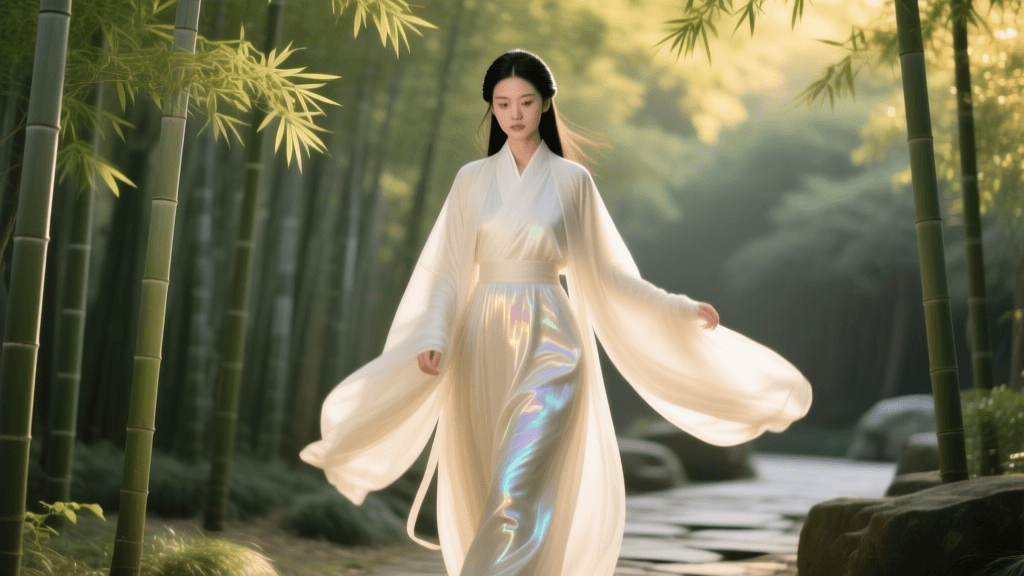
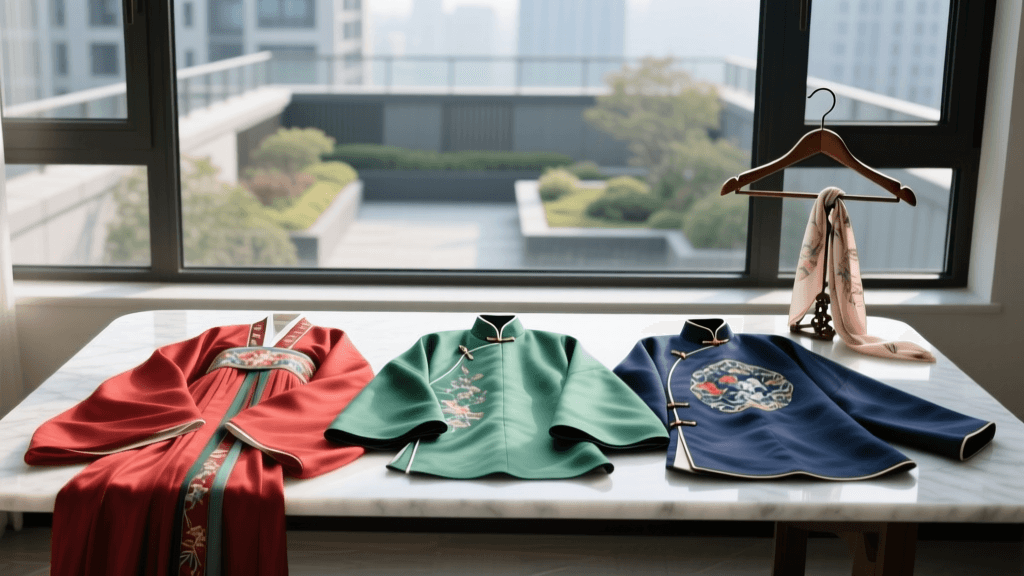
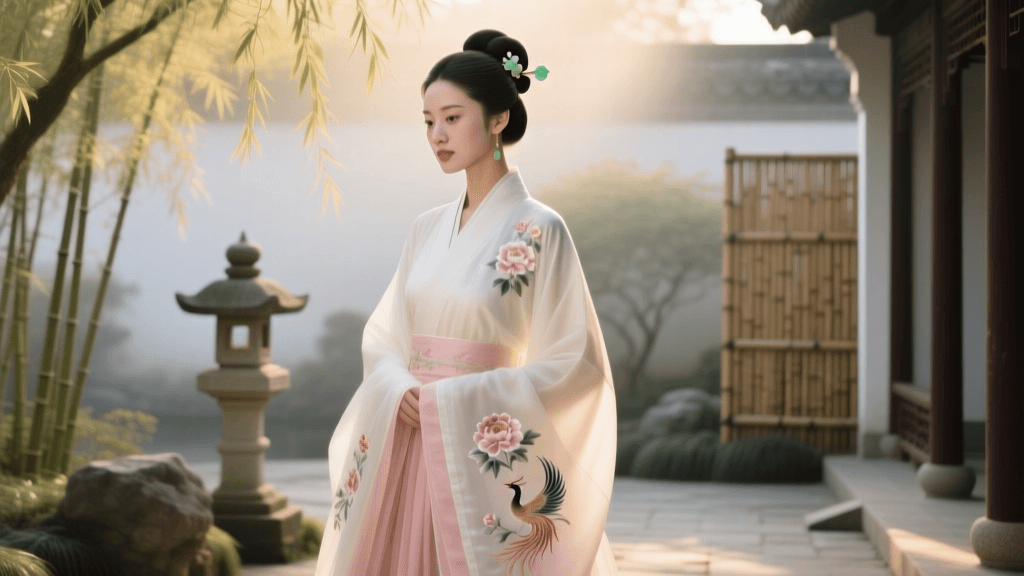
As we move through 2026, the Hanfu movement has matured far beyond everyday streetwear and social media trends. Today, traditional Chinese clothing is deeply integrated into the most sacred milestones of familial life. For modern families seeking to honor their heritage, selecting the correct Hanfu for births, coming-of-age rituals, weddings, and ancestral worship requires a nuanced understanding of historical dress codes, regional variations, and contemporary textile advancements. This comprehensive guide explores the specific sartorial requirements for major family ceremonies in 2026, ensuring your wardrobe respects both ancient traditions and modern comfort.
Birth and Coming of Age: Zhuazhou, Guanli, and Jili
The earliest ceremonial use of Hanfu in a family's lifecycle begins with Zhuazhou, the traditional first birthday celebration. In 2026, parents are increasingly prioritizing infant safety and historical accuracy. The modern market offers specialized infant Jiaoling Ruqun (cross-collared jackets and skirts) crafted from organic bamboo-silk blends and dyed with hypoallergenic plant-based pigments. Auspicious motifs, such as the tiger head (to ward off evil spirits) and peonies (for wealth), are embroidered using soft, snag-free threads. Crimson and bright yellow remain the standard colors, symbolizing vitality and prosperity.
As children reach adolescence, families observe the coming-of-age ceremonies: Guanli (the capping ceremony for young men at age 20) and Jili (the hair-pinning ceremony for young women at age 15). These rites of passage involve the ritualistic "Three Additions" (Sanjia), where the youth is dressed in progressively more formal layers of Hanfu. The first addition is typically a simple, dark-colored Shenyi (deep robe) representing the innocence of childhood. The second is a more formal, patterned robe signifying the responsibilities of adulthood. The final addition is the formal ceremonial dress, complete with a traditional headpiece (the Guan for men, and the Ji hairpin for women). In 2026, many families opt for Song Dynasty-style Beizi (long outer jackets) for the Jili ceremony, favoring their elegant, slender silhouettes and refined pastel embroidery.
The Modern Hanfu Wedding (Hunli)
The traditional Chinese wedding, or Hunli, represents the pinnacle of ceremonial Hanfu. While Western-style white gowns and Qing-era Qungua remain popular, 2026 has seen a massive surge in couples choosing historically accurate Han dynasty, Tang dynasty, or Ming dynasty wedding attire. The choice of dynasty often dictates the color palette and structural layering of the garments.
For brides, the Ming Dynasty Fengguan Xiapei (Phoenix Crown and Cloud Shoulder) remains the most sought-after ensemble. This highly formal attire features a heavily embroidered red and gold Yuanlingpao (round-collared robe) paired with an intricately woven cloud shoulder and a majestic, beaded phoenix crown. The craftsmanship required for a bespoke 2026 Fengguan Xiapei is immense, often requiring up to six months of lead time from master artisans who utilize traditional kesi (silk tapestry) weaving techniques.
For grooms, the Tang Dynasty Hongnan Shan (a formal red-black robe with a distinctive stiff-brimmed hat) or the Ming Dynasty Wushamao and round-collared robe are the standard. The foundation of these ceremonial garments rests on techniques recognized globally, such as the sericulture and silk craftsmanship of China, which remains a protected intangible cultural heritage and provides the luxurious heavy silks required for wedding robes.
2026 Hanfu Ceremonial Market Guide
| Ceremony Type | Primary Hanfu Style (2026 Trend) | Key Colors & Motifs | Avg. Bespoke Cost (USD) |
|---|---|---|---|
| Zhuazhou (1st Birthday) | Infant Jiaoling Ruqun | Crimson, Tiger motifs | $150 - $300 |
| Jili (Hair Pinning, Age 15) | Song Dynasty Beizi & Pleated Skirt | Pastels, Floral embroidery | $400 - $800 |
| Hunli (Wedding) | Ming Fengguan Xiapei | Red, Gold, Dragon/Phoenix | $2,500 - $8,000+ |
| Jili (Ancestral Worship) | Shenyi (Deep Robe) | Navy, Charcoal, Matte White | $300 - $600 |
Ancestral Rites and Tomb Sweeping (Jili / Saomu)
Ancestral worship, particularly during the Qingming Festival (Tomb-Sweeping Day) and the Zhongyuan Festival, requires a starkly different approach to Hanfu. The guiding principles for these solemn occasions are modesty, respect, and restraint. Flashy embroidery, bright reds, and excessive gold threading are strictly avoided, as they are considered disrespectful to the deceased.
According to historical textile archives documented by the Metropolitan Museum of Art, the structural integrity and draping of traditional Chinese dress have long been used to convey social standing and solemnity during ritual worship. For 2026 ancestral rites, families are returning to the Shenyi (a one-piece deep robe that connects the upper and lower garments, symbolizing the unity of heaven and earth). The preferred color palette includes deep indigo, charcoal grey, pine green, and unbleached matte white. Fabrics are chosen for their matte finishes and heavy draping, such as raw linen, heavy cotton, and matte crepe silk. The layering must be meticulous, ensuring that the inner Zhongyi (white undergarment) peeks out exactly one inch at the collar and cuffs, a historical marker of respect and neatness.
Essential Accessories and Ritual Props
No ceremonial Hanfu is complete without the appropriate accessories, which have seen significant innovation in 2026. For weddings, the traditional Yunjin (cloud brocade) shoes are now being fitted with modern ergonomic insoles, allowing brides to comfortably navigate lengthy tea ceremonies and venue transitions. For men participating in Guanli or ancestral rites, the Guan (headwear) and Yupei (jade pendants) are essential. Jade pendants are not merely decorative; historically, their clinking sound was meant to regulate the wearer's walking pace, ensuring a slow, dignified, and respectful gait during sacred rituals. In 2026, ethically sourced nephrite jade, carved with family-specific crests, has become a highly popular heirloom investment for ceremonial wear.
Sourcing and Styling Advice for 2026
If you are planning a family ceremony for the upcoming season, timing is critical. The bespoke Hanfu market in 2026 is experiencing high demand, particularly for Ming-style wedding ensembles and custom-embroidered coming-of-age robes. We recommend consulting with specialized Hanfu ateliers at least six to eight months in advance. When taking measurements, ensure your tailor accounts for the multiple layers of Zhongyi (inner garments) and Ruqun (skirts) that will be worn beneath the outer Pao (robe). Finally, always prioritize natural fibers; the breathability of authentic mulberry silk and raw linen is essential for maintaining comfort during multi-hour ceremonial rites, bridging the gap between ancient reverence and modern practicality.