Bunka Fashion College 2026 Online Kimono Workshops Guide
The Digital Evolution of Traditional Japanese Garment Education
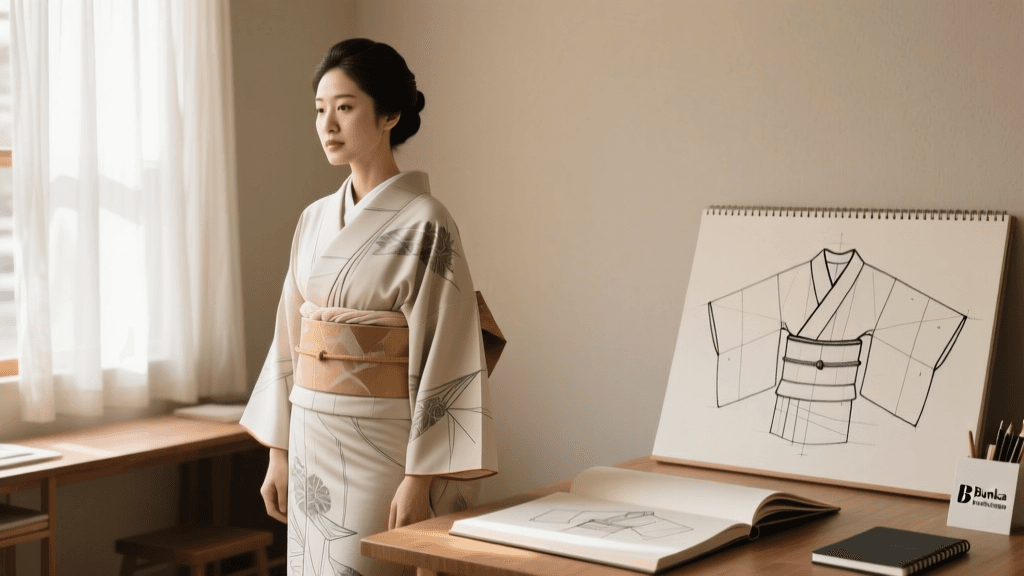
The landscape of traditional Japanese garment education has undergone a revolutionary transformation by 2026. Once strictly confined to the tatami-floored ateliers of Tokyo and Kyoto, the meticulous arts of kimono construction, textile manipulation, and traditional dyeing are now accessible to a global audience. Leading this pedagogical shift is the prestigious Bunka Fashion College. Renowned for shaping avant-garde designers and master artisans alike, the institution has fully embraced hybrid learning models. For international students and heritage fashion enthusiasts, the 2026 online workshop series offers an unprecedented opportunity to master Asian traditions from a home studio, without compromising on the rigorous, hands-on standards that define Japanese sartorial heritage.
According to the Bunka Fashion College global portal, the integration of augmented reality (AR) and specialized international shipping kits has bridged the gap between physical craftsmanship and digital instruction. This guide explores the current curriculum, necessary tools, and the true cost of enrolling in these highly sought-after 2026 workshops.
Core Modules of the 2026 Online Curriculum
Bunka’s 2026 online traditional garment track is divided into specialized modules. Unlike generic fashion courses, these workshops focus exclusively on the geometry, history, and execution of historical Japanese clothing. Students can enroll in individual masterclasses or commit to the full-semester certification.
Module 1: Tanmono Zero-Waste Pattern Drafting
The foundation of the kimono lies in the tanmono—a standard bolt of fabric measuring approximately 36 centimeters in width and 12 meters in length. In this six-week module, students learn the mathematical precision required to draft a kimono without wasting a single centimeter of textile. The curriculum covers the straight-line cutting method, the calculation of standard measurements (such as the yuki sleeve length and mitate hem drop), and the temporary basting techniques used to test fit before final silk stitching. In 2026, students use a proprietary tablet app that overlays traditional shaku (ruler) measurements onto digital blueprints, ensuring accuracy before cutting physical practice fabrics.
Module 2: Sashiko and Boro Textile Manipulation
Rooted in the philosophy of mottainai (a sense of regret concerning waste), this module explores the functional and decorative running stitches of sashiko and the patchwork layering of boro. Instructors guide students through the tension control required for heavy cotton and hemp threads. The 2026 syllabus introduces modern ergonomic thimbles and LED-lit magnification visors to help students achieve the microscopic uniformity of stitch spacing that master artisans are known for.
Module 3: Yuzen Resist Dyeing Fundamentals
For those fascinated by the vibrant, pictorial motifs of formal kimono, the Yuzen module is essential. Because traditional rice-paste resist dyeing requires specialized washing facilities, Bunka has developed a 2026 'Dry-Resist' synthetic alternative kit for home use. This allows students to learn the intricate itome-nori (thread-like resist line) application and brush-dyeing techniques using safe, water-soluble barriers that mimic the exact viscosity of traditional noridoke paste.
Essential Tools for the Home Studio
To successfully participate in the 2026 workshops, students must curate a specific home environment. Traditional Japanese garment construction differs vastly from Western tailoring; it relies heavily on folding, creasing, and temporary adhesives rather than pins and curved seams.
- Shaku (Traditional Ruler): A 37.8cm bamboo or acrylic ruler used for precise fractional measurements.
- Hera (Bamboo Spatula): Essential for scoring crisp folds into silk and cotton without damaging the fibers.
- Kote (Traditional Iron): While modern steam irons are permitted, Bunka recommends a specialized weighted, flat-bottomed dry iron for pressing hakkake (lining) seams.
- Karimawashi (Basting Thread): Specially spun, low-twist cotton thread that breaks easily when removed, preventing damage to delicate vintage or practice silks.
- Harite (Fabric Tension Clamps): Heavy-duty clamps with padded jaws used to anchor the tanmono to a low cutting table, keeping the warp and weft threads perfectly perpendicular.
2026 Pricing and Material Kits Breakdown
One of the most significant updates for 2026 is Bunka's streamlined international logistics. Previously, sourcing authentic Japanese haberdashery outside of Asia was prohibitively expensive. Now, the college partners with eco-conscious global couriers to ship standardized practice kits directly to students' doors. Below is the current fee structure for the 2026 academic year.
| Workshop Module | Duration | Tuition (USD) | Material Kit & Shipping | Total Investment |
|---|---|---|---|---|
| Tanmono Zero-Waste Drafting | 6 Weeks | $450 | $180 | $630 |
| Sashiko and Boro Techniques | 4 Weeks | $320 | $140 | $460 |
| Yuzen Resist Dyeing Basics | 5 Weeks | $400 | $210 | $610 |
| Full Heritage Certification | 15 Weeks | $1,050 | $450 | $1,500 |
Note: The Full Heritage Certification includes a comprehensive toolset (shaku, hera, and professional clamps) and premium practice textiles, including a 5-meter bolt of authentic Oshima Tsumugi woven cotton for the final examination garment.
Technology Requirements: AR and Digital Fitting
The most groundbreaking aspect of the 2026 Bunka online experience is the integration of Augmented Reality (AR) for garment fitting. Because kimono fit is dictated by how the fabric wraps and folds over the body rather than tailored darts, understanding drape is crucial. Students are required to have a smartphone or tablet capable of running Bunka’s proprietary 'Drape-Check' application. By inputting their drafted measurements, the app generates a 3D avatar that accurately simulates the stiffness, weight, and drape of the specific textile being used, allowing students to adjust hem drops and sleeve lengths before making irreversible cuts.
Furthermore, live-streaming setups require an overhead macro camera. Instructors must be able to zoom in on the student's stitching tension and the alignment of the fabric's grainline. A standard 1080p webcam is no longer sufficient; the 2026 syllabus mandates a 4K document camera to capture the microscopic details of silk thread manipulation.
Expert Insights and Cultural Preservation
The push to digitize these ancient techniques is not merely about convenience; it is a vital act of cultural preservation. As noted by the Kogei Japan initiative, many traditional textile regions are facing a severe shortage of young artisans willing to relocate to rural workshops. By offering high-level, accredited online education, institutions like Bunka are cultivating a new generation of global practitioners who respect and sustain these Asian traditions.
'The geometry of the kimono is a masterclass in sustainable fashion. By teaching zero-waste drafting to a global digital classroom in 2026, we are not just preserving history; we are offering a blueprint for the future of ethical garment construction.' — Senior Instructor of Traditional Garment Studies, Bunka Fashion College.
Students who complete the Full Heritage Certification often go on to integrate these techniques into contemporary sustainable fashion lines, or they become specialized conservators for museum textile archives. The online format has surprisingly fostered a tight-knit global community, with students from Paris, New York, and São Paulo collaborating on digitaln to decipher historical Edo-period stitching patterns.
Is the Online Workshop Right for You?
While the 2026 Bunka Fashion College online workshops are incredibly comprehensive, they demand a high level of self-discipline and spatial awareness. Working with a 12-meter bolt of fabric requires a large, clean, and flat surface—often necessitating the use of a dedicated cutting table or a thoroughly sanitized hardwood floor. Furthermore, the language of instruction is primarily Japanese, though real-time AI-driven translation headsets provided in the premium kit ensure that non-Japanese speakers can follow complex technical nuances without missing a beat.
For those deeply passionate about Asian traditions and the meticulous artistry of Japanese fashion, the 2026 online curriculum offers an authentic, rigorous, and deeply rewarding path to mastery. Whether you are a disa digital fashion designer seeking historical accuracy, or a slow-fashion advocate looking to implement zero-waste cutting methods, Bunka’s virtual ateliers are open and ready to welcome the world.